Mastering Google and Microsoft Ads for ROAS
Introduction to PPC Advertising
What is Pay-Per-Click Advertising?
Pay-Per-Click, or PPC, is a form of online advertising where you pay a small fee each time someone clicks your ad. Instead of trying to earn those visits organically through search engine optimization (SEO), you're essentially buying visits to your site.
Think of it like setting up a stall in a busy market. You can either hope people find you by wandering around (that's SEO), or you can pay the market owner for a prime spot right at the entrance where everyone will see you. PPC is paying for that prime spot.
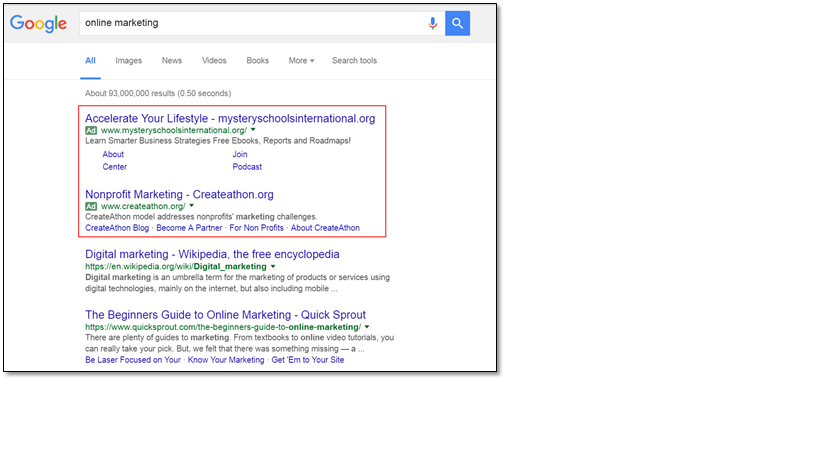
When you see ads at the top of a Google search results page, those are almost always PPC ads. Businesses bid on keywords they believe their target customers are searching for, and the winners get their ads displayed in those prominent locations.
Why Use PPC?
PPC advertising is one of the most powerful digital marketing tools for a few key reasons.
First, it's fast. While SEO can take months to show results, a PPC campaign can start driving traffic to your website within minutes of being launched. This makes it ideal for testing new offers, promoting seasonal sales, or quickly gaining visibility in a new market.
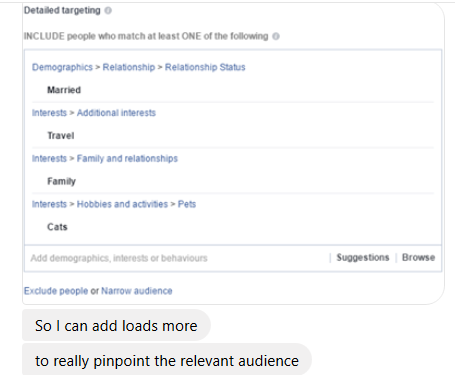
Second, it's highly targeted. You can aim your ads with incredible precision. You can target people based on their location, age, interests, and even what they've searched for online. This means you're not just shouting into the void; you're speaking directly to the people most likely to be interested in your product or service.
Finally, it's measurable and controllable. You set your own budget, deciding exactly how much you're willing to spend per day or per month. Every click, view, and conversion can be tracked, allowing you to see exactly what's working and what isn't. This data-driven approach means you can calculate your return on investment and make informed decisions to improve your campaigns over time.
Measuring Success
To run a successful PPC campaign, you need to know how to measure its performance. While there are many metrics, a few are essential for understanding your results.
Cost Per Click (CPC)
noun
This is the amount you pay each time someone clicks on your ad. It's determined by a real-time auction system where you bid against other advertisers for specific keywords or ad placements.
Your CPC is important, but it doesn't tell the whole story. You also need to know how often people who see your ad actually click on it.
Click-Through Rate (CTR)
noun
The percentage of people who click your ad after seeing it. It's calculated by dividing the total number of clicks by the total number of impressions (times the ad was shown), then multiplying by 100. A high CTR is a good indicator that your ad is relevant and appealing to your target audience.
Getting clicks is great, but the ultimate goal is usually to get a customer to take a specific action, like making a purchase or filling out a form. This is called a conversion.
Cost Per Acquisition (CPA)
noun
Also known as Cost Per Conversion, this metric tells you how much you're spending on average to get one customer or lead. It's calculated by dividing the total cost of your campaign by the number of conversions. CPA helps you understand the true cost-effectiveness of your advertising.
Finally, the most important metric is about profitability. Are you making more money than you're spending?
Return on Ad Spend (ROAS)
noun
This metric measures the gross revenue generated for every dollar spent on advertising. It's calculated by dividing the total revenue from your ads by the total ad spend. For example, a ROAS of 4:1 means you're making $4 in revenue for every $1 you spend on ads.
Major PPC Platforms
While there are many places to run PPC ads, a few major platforms dominate the landscape. The most well-known is Google Ads, which allows you to advertise on Google's search results pages, YouTube, and a vast network of other websites. Microsoft Advertising (formerly Bing Ads) is a similar platform that serves ads on the Bing and Yahoo search engines.
Beyond search engines, social media platforms are also major players in the PPC world. Meta Ads (for Facebook and Instagram), LinkedIn Ads, and others allow you to target users based on their detailed demographic and interest data. The best platform for you depends entirely on where your target audience spends their time online.
Understanding these core concepts is the first step toward building a successful advertising strategy. By focusing on the right metrics and choosing the right platforms, you can use PPC to effectively reach new customers and grow your business.