Mastering Goal Setting and Achievement
Understanding Goal Setting
The Power of a Clear Target
Trying to move forward in life without a clear goal is like setting sail without a destination. You might be moving, but you're not heading anywhere specific. You're just drifting.
Goal setting is the process of giving yourself a destination. It turns a vague desire, like "I want to be healthier," into a concrete target you can actively work toward. This clarity is powerful. It provides focus, shapes your daily decisions, and gives you a way to measure your progress. A well-defined goal acts as your compass, guiding you through distractions and challenges.
A goal isn't just a wish. It's a wish with a plan and a deadline.
Crafting a SMART Goal
Not all goals are created equal. A vague goal is hard to act on, while a well-structured one is much easier to tackle. The most widely used framework for creating effective goals is the SMART criteria.
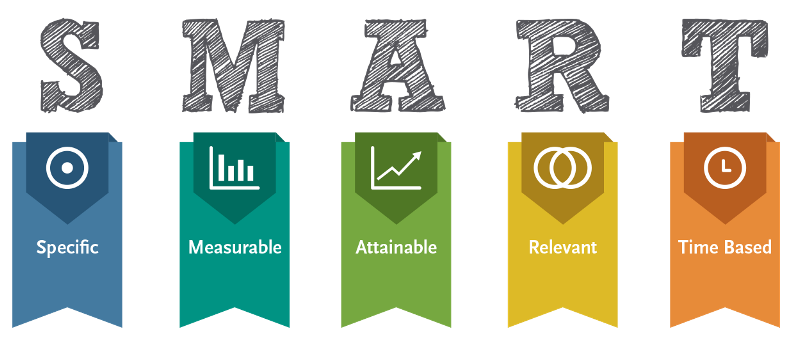
Let's break down what each letter means.
Specific: Your goal must be clear and well-defined. Instead of "learn a new skill," a specific goal would be "learn to play three basic chords on the guitar."
Being specific answers important questions: What exactly do I want to accomplish? Why is this goal important?
Measurable: You need a way to track your progress. If your goal is to "read more," how will you know when you've succeeded? A measurable version is "read one book per month."
This lets you see how far you've come and keeps you motivated.
Achievable: Your goal should stretch you, but it should also be realistic. Aiming to become a fluent Spanish speaker in one month is probably not achievable. Aiming to learn 50 new Spanish vocabulary words in a month is.
Setting a goal you can actually reach prevents discouragement.
Relevant: The goal should matter to you and align with your other objectives. If you want a career in graphic design, a goal to learn basic Photoshop skills is relevant. A goal to become a master baker might not be.
A relevant goal is one you are willing to work for.
Time-bound: A goal needs a target date. Without a deadline, there's no sense of urgency. "I'll save 💲1,000" becomes much more powerful when it's "I'll save 💲1,000 by December 31st."
Connecting to Your 'Why'
Even a perfectly crafted SMART goal can fall flat if it doesn't connect to what you truly care about. Your personal values are the beliefs and principles that are most important to you. They are your internal motivators.
When a goal aligns with your values, the drive to achieve it comes from within. For example, if you value community, a goal to volunteer at a local shelter will feel meaningful and energizing. If you don't value it, the same goal might feel like a chore. Lasting motivation isn't about willpower alone; it's about pursuing things that resonate with who you are.
Before committing to a goal, ask yourself: Why does this matter to me? Does it align with my core values? Answering these questions is the key to unlocking long-term commitment.
According to the provided text, trying to move forward in life without a clear goal is compared to what?
Which of the following transforms a vague desire like "I want to be healthier" into a concrete target?
With a clear understanding of how to set meaningful targets, you've taken the first and most important step. A well-defined goal is the foundation of any great achievement.