Mastering Ghormeh Sabzi
Introduction to Persian Cuisine
A Taste of History
Persian cuisine is one of the world's oldest, with roots stretching back to ancient Persia. It's a culinary tradition shaped by centuries of history, trade along the Silk Road, and a deep appreciation for poetry and art. Food in Iran is much more than fuel; it's a central part of hospitality, family gatherings, and celebrations like Nowruz, the Persian New Year.
The core philosophy revolves around balancing flavors and temperatures—not just hot and cold in degrees, but also in how foods are thought to affect the body. This creates dishes that are complex, aromatic, and deeply satisfying. Each meal is an invitation to experience a rich cultural heritage, where recipes have been passed down through generations.
The Persian Pantry
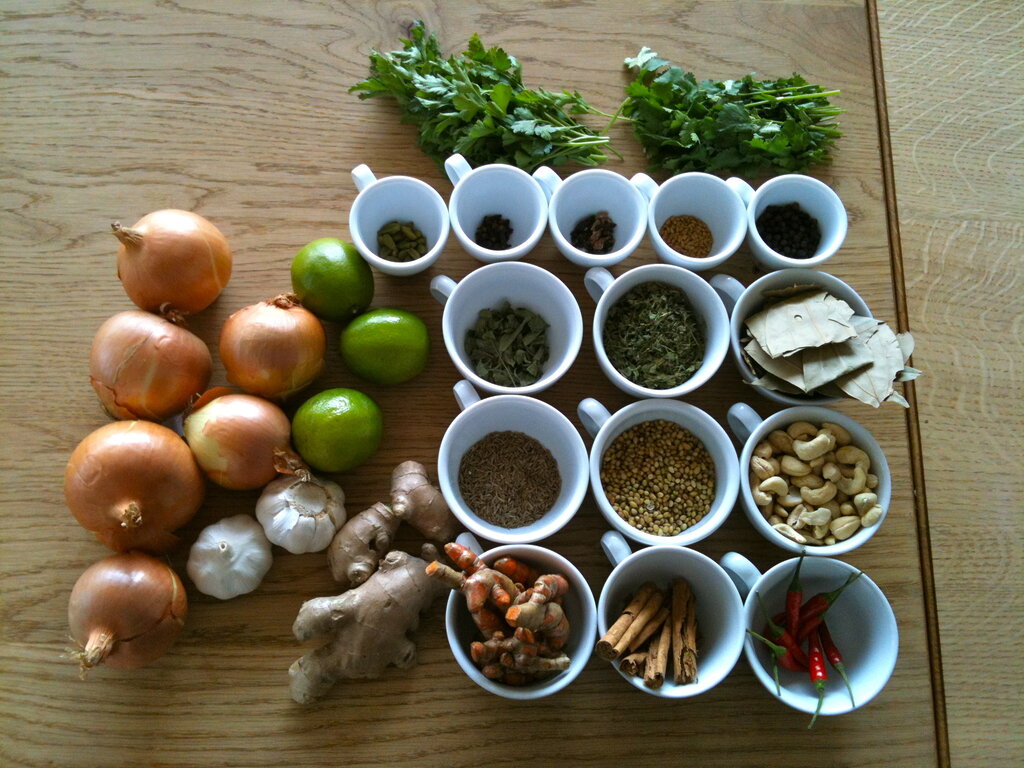
The flavors of Persian cooking are built on a unique foundation of ingredients. Fresh herbs are used in abundance—not just as a garnish, but as a main component. You'll find bunches of parsley, cilantro, dill, and mint forming the base of stews and rice dishes. Fenugreek, with its distinct maple-like aroma, is another key player.
Saffron, the world's most prized spice, gives rice and desserts a brilliant golden hue and a subtle, floral fragrance. For a characteristic sour tang, cooks turn to ingredients like dried limes (limoo amani), tart barberries (zereshk), and pomegranate molasses. Nuts like walnuts and pistachios add richness and texture, creating the perfect balance of sweet, sour, and savory.
Slow Cooking, Perfect Rice
Patience is a key ingredient in Persian cooking. The most beloved dishes are often cooked "low and slow." Stews, known as khoresh, are left to simmer for hours. This long, gentle cooking process allows the flavors of the meat, herbs, and spices to meld together, creating an incredible depth that can't be rushed.
Just as important as the stew is the rice served alongside it. Persian rice is famous for being long-grained, fluffy, and aromatic. The crowning achievement of any Persian rice dish is the tahdig—a crispy, golden crust that forms at the bottom of the pot. Getting the perfect tahdig is a point of pride for any cook, and it's often the most fought-over part of the meal.
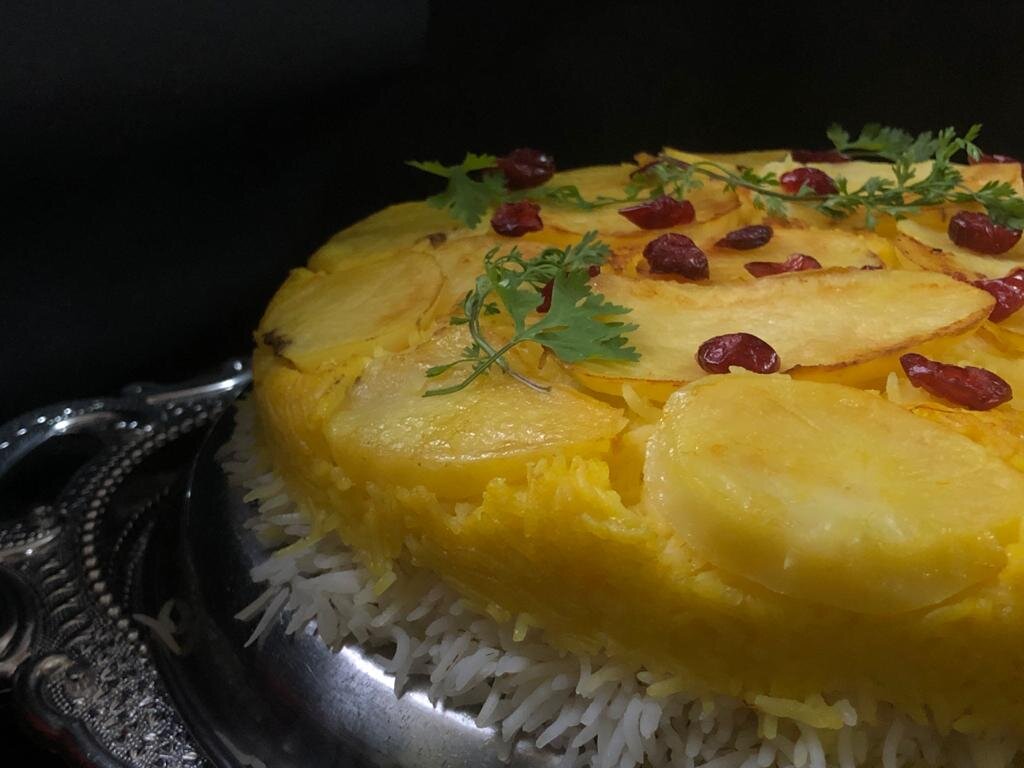
A khoresh is the heart of many Persian meals. These rich, savory stews are typically served over a bed of steamed rice, allowing the rice to soak up the delicious sauce. Perhaps the most famous is Ghormeh Sabzi, a fragrant herb stew often considered the national dish of Iran. Another classic is Fesenjan, a luxurious stew made with walnuts and pomegranate molasses that strikes a perfect sweet-and-sour note.
Now, let's see what you've learned about the fundamentals of this historic cuisine.
What is the term for the crispy, golden layer of rice that forms at the bottom of the pot, a prized element of Persian rice dishes?
The Persian stew known as Fesenjan achieves its signature sweet and sour flavor profile from which two primary ingredients?
With this foundation, you're ready to explore the specific dishes that make Persian cuisine so special.