Mastering GHG Emissions and Mitigation Strategies
Industrial Emission Sources
Categorising Direct Emissions
When a company calculates its carbon footprint, it can't just tally up every puff of smoke. Emissions are sorted into categories to understand where they come from and who is responsible for them. The most direct category is Scope 1.
These are emissions released directly from assets that a company owns or controls. Think of it as the exhaust coming straight from your own car, not the car factory.
Scope 1 emissions are direct GHG emissions that occur from sources that are controlled or owned by an organization (e.g., emissions associated with fuel combustion in boilers, furnaces, vehicles).
Understanding these direct sources is the first step in managing a company's environmental impact. Scope 1 emissions are typically broken down into four main types.
Combustion Sources
The most common source of Scope 1 emissions is combustion: burning fuel to create energy. This happens in two main ways.
Combustion
noun
A chemical process that produces heat and light, typically by reacting a substance with an oxidant, usually oxygen.
Stationary combustion happens in a fixed place. This includes burning fuels like natural gas, coal, or oil in boilers, furnaces, or turbines to generate heat, steam, or electricity for the facility. Power plants and large manufacturing sites are major sources of stationary combustion emissions.
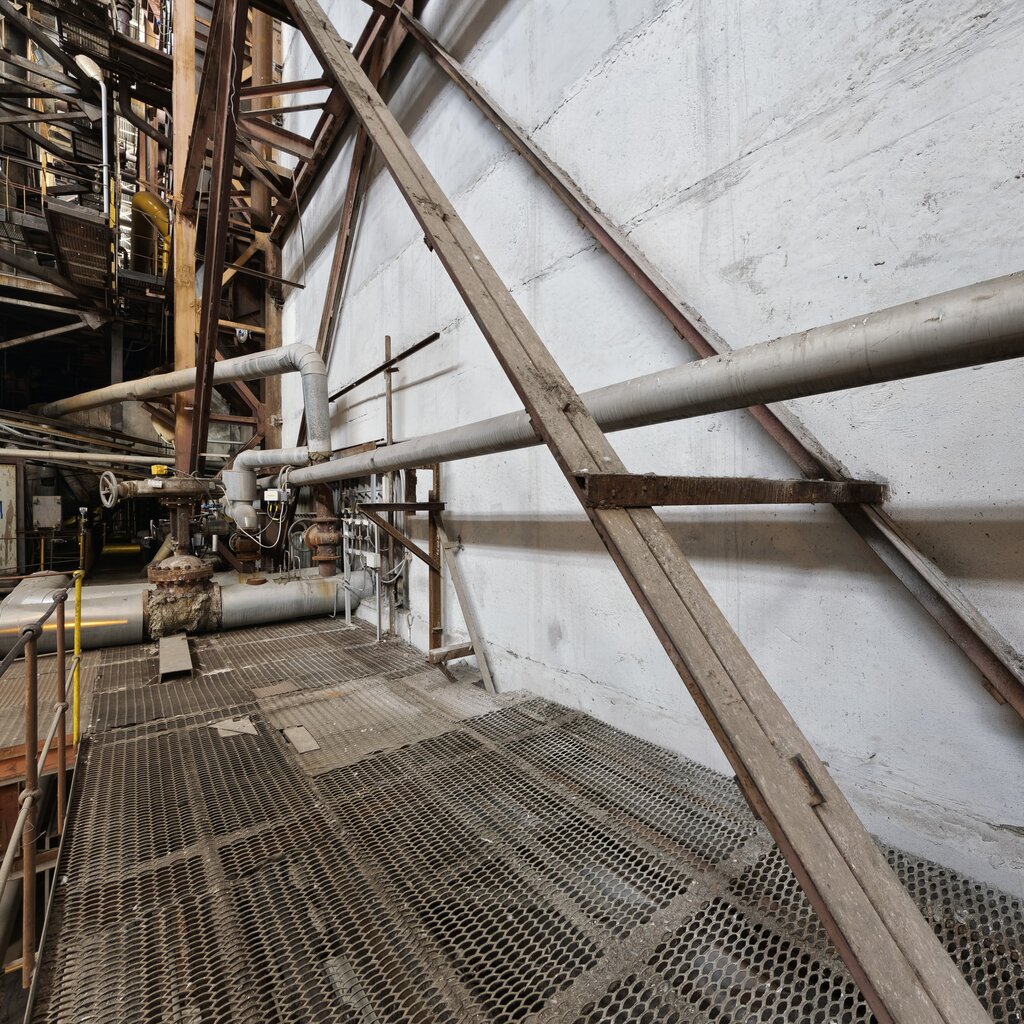
Mobile combustion, on the other hand, comes from sources that move. This covers the emissions from a company's fleet of vehicles, such as trucks, vans, and cars, that burn petrol or diesel. If a company owns the vehicles, the emissions from their tailpipes are Scope 1.
If the company leases the vehicles and has operational control—meaning it dictates their use and buys the fuel—those emissions are also typically counted as Scope 1.
Process and Fugitive Emissions
Not all direct emissions come from burning fuel. Some are by-products of industrial processes themselves, while others are accidental leaks.
Process emissions are released during specific industrial or manufacturing processes, resulting from chemical transformations rather than fuel combustion.
A classic example is in cement production. The manufacturing process involves heating limestone (calcium carbonate) to create a key ingredient called clinker. This chemical reaction, known as calcination, releases a large amount of carbon dioxide directly into the atmosphere.
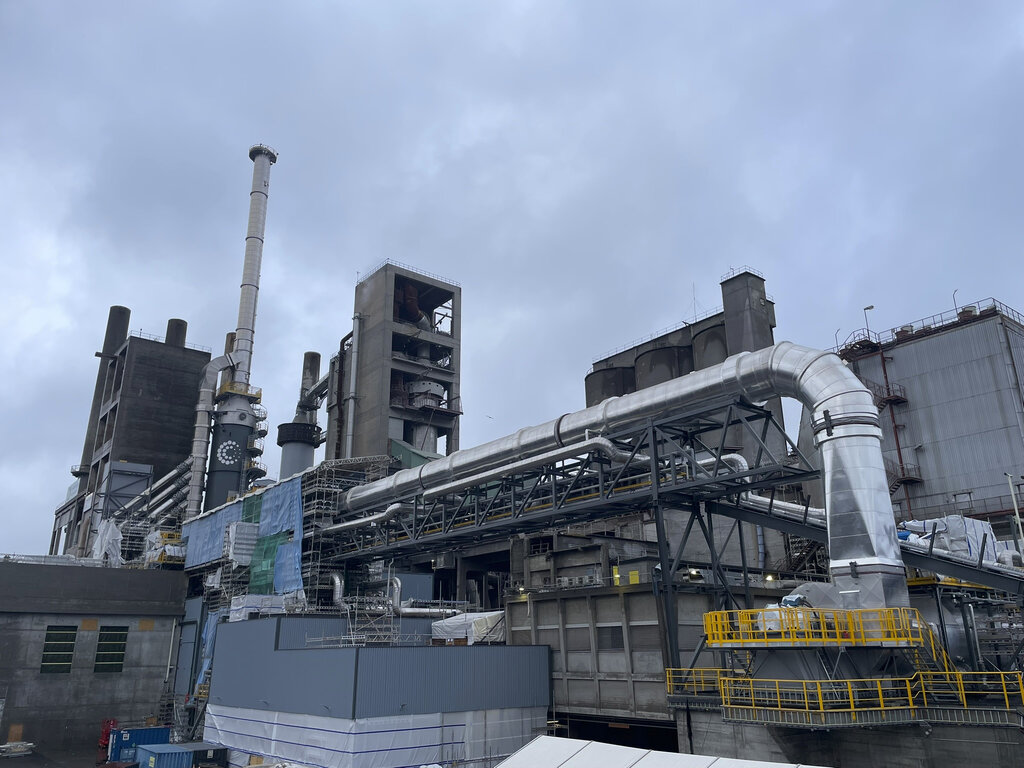
Finally, we have fugitive emissions. These are unintentional leaks of greenhouse gases from equipment, pipes, and joints. They don't come from a specific smokestack or tailpipe, which makes them harder to track.
Common sources include leaky valves on natural gas pipelines releasing methane () or old refrigeration and air conditioning units leaking hydrofluorocarbons (HFCs). Although the quantities might seem small, the impact can be significant because these gases are often much more potent greenhouse gases than carbon dioxide.
Defining Asset Boundaries
The key to classifying Scope 1 emissions is the concept of control. A company must determine its organisational boundary—which parts of its business it's responsible for—and its operational boundary—which specific emission sources fall within that organisation.
There are two main approaches:
-
Equity Share: The company accounts for GHG emissions from its operations according to its share of ownership. If a company owns 60% of a joint venture, it reports 60% of that venture's Scope 1 emissions.
-
Control Approach: The company accounts for 100% of the emissions from operations over which it has control, regardless of its ownership stake. Control can be either financial (the company can direct the financial and operating policies) or operational (the company has the full authority to introduce and implement its operating policies).
Choosing an approach and applying it consistently is crucial for accurate and transparent reporting. It ensures that emissions are counted once, by the entity that has the power to manage and reduce them.
Time to check your understanding of these direct emission sources.
What are Scope 1 emissions?
A manufacturing plant burns natural gas in its on-site boiler to create steam for its industrial processes. What type of Scope 1 emission is this?
Categorising emissions correctly is the foundation of effective climate strategy, allowing companies to pinpoint their biggest impacts and take targeted action.