Mastering Gestalt Psychology Principles and Applications
Introduction to Gestalt Psychology
The Whole Picture
When you listen to a song, you don't hear a random collection of individual notes. You hear a melody. When you look at a painting, you see a scene, not just a series of brushstrokes. Our brains are wired to perceive things as unified wholes, not as disconnected pieces. This is the central idea behind Gestalt psychology.
Gestalt
noun
A German word meaning "form" or "shape." In psychology, it refers to the idea of a unified, meaningful whole.
Gestalt psychology argues that our minds naturally organize information into meaningful patterns. It suggests that the whole of our experience is something different, something more, than just the sum of its individual parts. Think about a bicycle. It's made of a frame, wheels, pedals, and a chain. But a bicycle is more than just a pile of these components. It's a functional machine, a mode of transportation. The arrangement and interaction of the parts create something new.
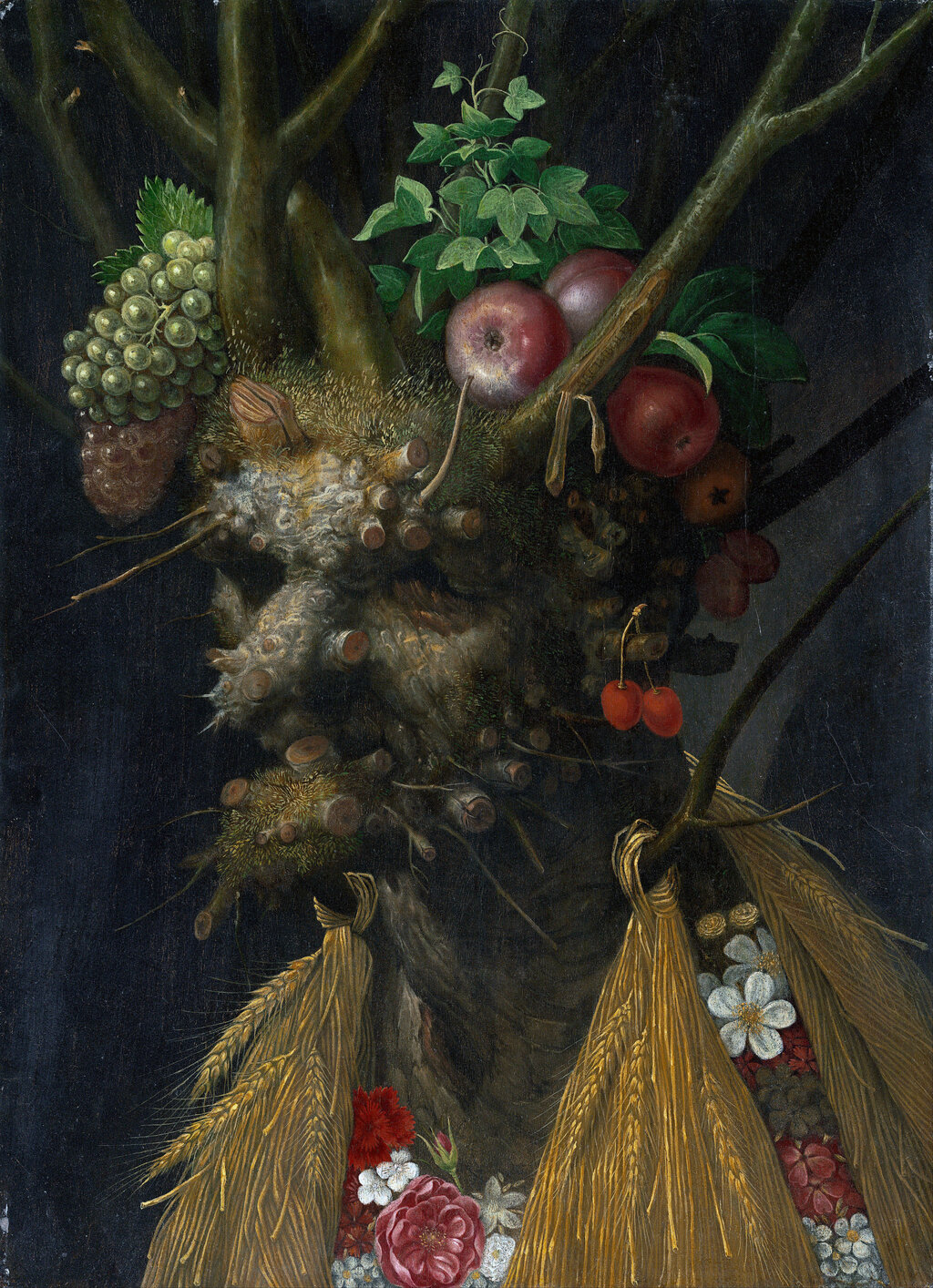
The whole is different than the sum of its parts.
A New Way of Thinking
Gestalt psychology emerged in early 20th-century Germany as a direct response to the dominant psychological theories of the time: structuralism and behaviorism. Psychologists like Max Wertheimer, Kurt Koffka, and Wolfgang Köhler felt that these existing schools missed the bigger picture of human experience.
Structuralism, which was popular at the time, tried to understand the mind by breaking down conscious experiences into their smallest, most basic elements. A structuralist might analyze the experience of seeing an apple by describing its color, its roundness, and its texture separately. Gestalt psychologists argued this approach was like trying to understand a novel by studying each letter on the page individually. You'd lose the plot, the characters, and the entire meaning of the story.
Behaviorism, on the other hand, ignored mental processes altogether. It focused only on observable behavior, treating the mind as an unknowable "black box." Gestalt thinkers pushed back, insisting that we can't understand behavior without understanding how people perceive and make sense of the world around them.
| School of Thought | Primary Focus | Analogy |
|---|---|---|
| Structuralism | Breaking down experience into basic sensory components. | Describing a cake by listing its ingredients: flour, sugar, eggs. |
| Behaviorism | Observing stimulus-response behaviors, ignoring the mind. | Studying the oven's temperature and the cake's final color, without knowing the recipe. |
| Gestalt Psychology | Understanding experience as a whole, organized pattern. | Experiencing the cake as a delicious, unified dessert. |
By shifting the focus from isolated parts to the integrated whole, Gestalt psychology offered a more holistic way to explore the mind. It emphasized perception and the active role our brains play in creating meaning from the world. This new perspective paved the way for modern research in cognition and perception.