Mastering GEO SEO
Introduction to SEO
What is SEO?
Search Engine Optimization, or SEO, is the practice of improving your website to help it show up more often in search engine results. Think of the internet as a massive library and a search engine like Google as the librarian. When you ask the librarian a question, they don't just hand you a random book. They find the most relevant, trustworthy, and helpful books on that topic.
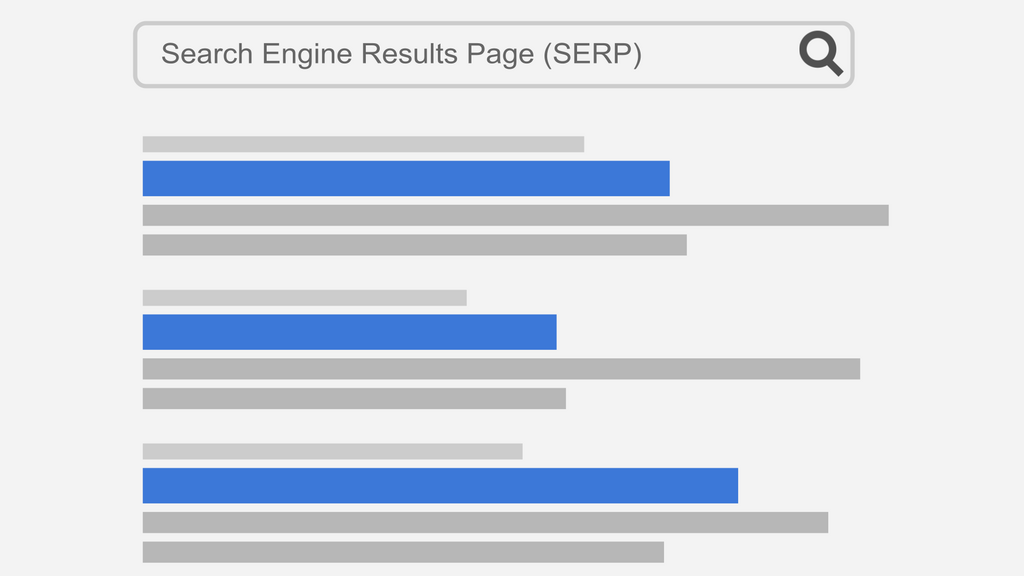
SEO is how you signal to the librarian that your website is a great resource for certain questions. The goal is to appear higher up on the results page because most people click on one of the first few links. Better visibility means more people can find your website, whether you're selling a product, sharing information, or building a community.
In short, SEO helps connect what you offer with the people who are looking for it.
How Search Engines Work
Search engines don't search the entire live internet every time you ask a question. That would be impossibly slow. Instead, they do their homework ahead of time through a three-step process: crawling, indexing, and ranking.
-
Crawling: Search engines use automated programs called crawlers or spiders to travel the web. They follow links from one page to another to discover new and updated content.
-
Indexing: Once a page is crawled, the search engine analyzes its content—text, images, and other files—and stores this information in a huge database called an index. This index is like the library's catalog, containing information on billions of web pages.
-
Ranking: When you type a query into a search engine, it scours its index for pages that match your request. Then, it uses a complex algorithm to rank these pages, aiming to show the most relevant and high-quality results at the top. This algorithm considers hundreds of factors, from the words on the page to the site's reputation.
The Language of Search
Keywords are the bridge between what people are searching for and the content you are providing to fill that need. They are the words and phrases that users type into the search bar.
Your job is to figure out which keywords your target audience is using. If you run a website that sells handmade leather shoes, you want to show up when someone searches for "handmade leather shoes," "custom leather boots," or similar phrases. This process is called keyword research.
Choosing the right keywords ensures that you attract people who are genuinely interested in what your site offers. It's about understanding your audience's intent. Are they looking to buy something, find information, or navigate to a specific website?
Keyword
noun
A word or phrase that a person enters into a search engine to find information.
On-Page vs. Off-Page SEO
SEO activities can be split into two main categories: on-page and off-page. Both are crucial for a successful strategy.
On-page SEO includes all the optimizations you do on your website. This involves creating high-quality content, using relevant keywords in your titles and text, ensuring your site loads quickly, and having a mobile-friendly design. It's about making your website clear and useful for both users and search engine crawlers.
Off-page SEO refers to actions taken outside of your website to impact your rankings. This is primarily about building your site's authority and reputation. The most common off-page tactic is earning backlinks—links from other websites to yours. A link from a reputable site is like a vote of confidence, telling search engines that your content is trustworthy.
| SEO Type | Focus | Examples |
|---|---|---|
| On-Page | Your website's content and structure. | High-quality content, title tags, page speed, mobile-friendliness. |
| Off-Page | Your website's reputation and authority. | Backlinks from other sites, social media presence, brand mentions. |
Finally, the most important rule in SEO is creating high-quality content. A search engine's primary goal is to provide its users with the best possible answers. If your content is helpful, well-researched, and engaging, search engines will want to show it to people. All the technical tweaks and backlinks in the world can't make up for content that doesn't satisfy the user's needs.
High-quality content is the foundation of successful SEO.
Now, let's test your understanding of these core SEO concepts.
What is the primary goal of Search Engine Optimization (SEO)?
What is the correct order of the three-step process that search engines use to discover and organize content from the web?
Understanding these basics gives you a solid foundation. SEO isn't about tricking search engines; it's about creating a great user experience and making it easy for search engines to understand what your site is about.