Mastering Generative Engine Optimization
Introduction to GEO
The New Gatekeepers of Information
For decades, getting your website noticed meant mastering Search Engine Optimization (SEO). You’d carefully choose keywords, build links, and structure your pages so search engine crawlers could easily find and rank you. The goal was to land on the first page of results, a list of blue links pointing to different websites.
That's changing. Search is becoming a conversation. Instead of just getting a list of links, users now get direct answers synthesized by artificial intelligence. These AI-powered summaries, like Google’s AI Overviews, sit right at the top of the page, pulling information from multiple sources to create a single, convenient response.
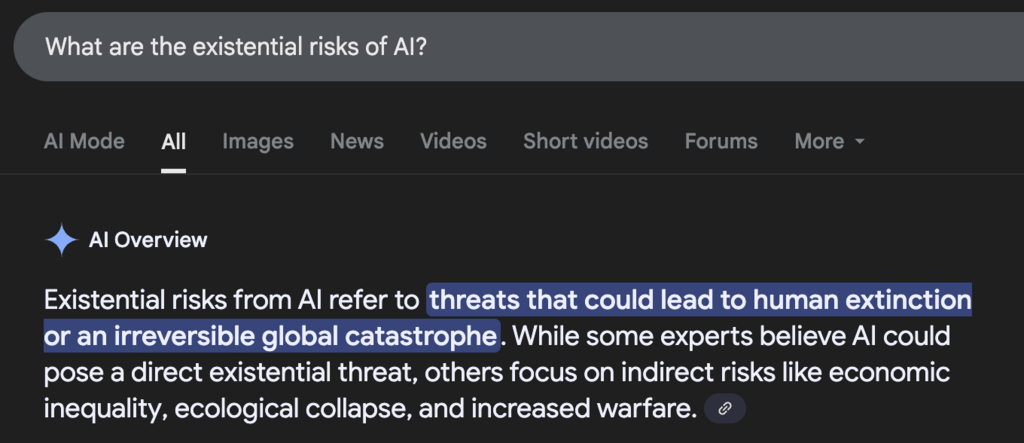
This shift requires a new approach. It's no longer enough for a search engine to just find your page. Now, an AI needs to understand, trust, and cite your content as a source for its answer. This is the world of Generative Engine Optimization, or GEO.
Generative Engine Optimization (GEO) is the process of optimizing your content, product data, and online presence to be discovered, recommended, or cited by AI-powered systems like ChatGPT, Google AI Overviews, Perplexity, and Amazon Rufus.
From Keywords to Conversations
Traditional SEO is focused on ranking web pages. GEO is focused on influencing AI-generated answers. Think of it like this: SEO is about making your book easy to find in a library's card catalog. GEO is about making your book so clear and authoritative that the librarian recommends it directly to someone asking a question.
While SEO targets search engine crawlers that index pages, GEO targets generative AI models that synthesize information.
This fundamental difference changes everything, from how you structure your content to how you measure success. SEO is driven by keywords and links. GEO is driven by meaning, expertise, and trust. The AI doesn't just scan for phrases; it tries to comprehend the substance of your content to determine if it's a reliable source for an answer.
| Feature | Traditional SEO | Generative Engine Optimization (GEO) |
|---|---|---|
| Goal | Rank a webpage high in a list of links. | Become a cited source in an AI-generated answer. |
| Primary Focus | Keywords, backlinks, technical structure. | Expertise, clarity, trust signals, conversational language. |
| Content Strategy | Target specific keywords. | Answer questions completely and authoritatively. |
| Success Metric | Page ranking, organic traffic. | Citations, visibility within AI answers, brand mentions. |
How AI Evaluates Your Content
So how do you make your content “speak” to an AI? Unlike traditional search crawlers that follow a rigid set of rules, generative models are trying to mimic human understanding. They evaluate content based on a few key principles.
1. Clarity and Structure: AI models need content that is easy to parse. This means using clear headings, short paragraphs, and straightforward language. If an AI can't figure out what your page is about quickly, it will move on. Structured data, like lists and tables, is especially helpful because it presents information in a highly organized way.
2. Expertise and Authority: The AI wants to cite sources that know what they're talking about. It looks for signals of expertise, such as detailed explanations, unique insights, and comprehensive coverage of a topic. Establishing authority means demonstrating that your content is a reliable resource created by experts.
3. Trustworthiness: Just like a person, an AI is wary of misinformation. It prioritizes content from reputable websites. It also looks for markers of trust within the content itself, like citing sources, linking to other authoritative pages, and having a clear, consistent point of view.
The most important shift GEO introduces is this: AI doesn’t read. It scans.
Getting started with GEO doesn't mean abandoning everything you know about SEO. In fact, a strong SEO foundation is the perfect launching point. The key is to shift your mindset from optimizing for keywords to optimizing for answers. Your goal is to be the most helpful, clear, and trustworthy source of information on a given topic, so that when an AI is looking for an answer, it looks to you.
Time to check what you've learned about this new frontier in search.
What is the primary focus of Generative Engine Optimization (GEO) as compared to traditional Search Engine Optimization (SEO)?
The provided text uses an analogy to explain the difference between SEO and GEO. In this analogy, GEO is like...