Mastering Generative AI Prompts
Introduction to Generative AI
Creating Something New
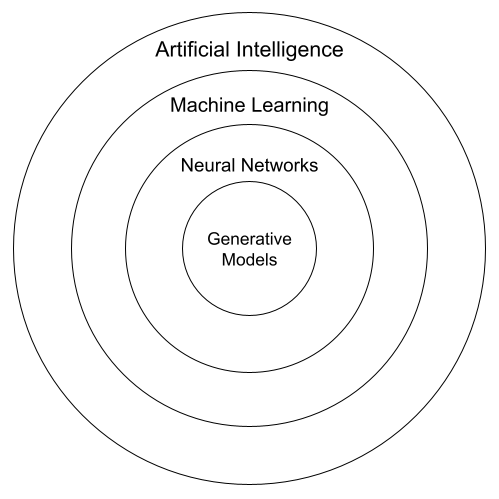
Generative AI is a type of artificial intelligence that doesn't just analyze or process information. It creates new, original content. This could be anything from writing an email, composing a piece of music, or generating an image from a text description.
Think of it as a creative partner. You provide a prompt or an idea, and it generates a response based on the patterns and information it has learned.
While the idea of machines that can think or create has been around for decades, the recent explosion in generative AI is thanks to a few key breakthroughs. The development of a powerful architecture called the Transformer in 2017 was a major turning point. This innovation made it possible to process language more effectively, paving the way for the sophisticated models we use today.

The Brains of the Operation
At the heart of many popular generative AI tools, like ChatGPT, is a Large Language Model, or LLM. An LLM is a massive neural network trained on enormous amounts of text data. It learns grammar, facts, reasoning abilities, and even some biases from the data it's fed.
Large Language Model
noun
A type of artificial intelligence model trained on vast quantities of text data to understand and generate human-like language.
You can think of an LLM as an incredibly advanced auto-complete. When you give it a prompt, it doesn't 'understand' in the human sense. Instead, it predicts the next most probable word, then the next, and the next, stringing them together to form coherent sentences and paragraphs. The sheer scale of its training data allows it to make these predictions with stunning accuracy, mimicking human writing styles and knowledge.
How an LLM Learns
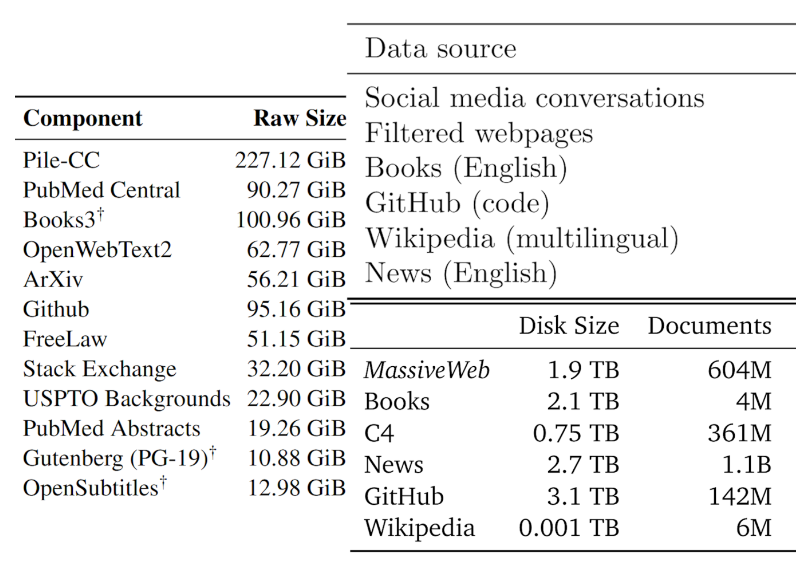
Training an LLM is a colossal undertaking. The first phase is called pre-training. In this stage, the model is fed a massive dataset containing text from the internet, books, articles, and more. We're talking about hundreds of billions of words. Its goal is simple: predict the next word in a sequence. By doing this over and over, it learns the fundamentals of language, from grammar and spelling to complex concepts and relationships between ideas.
After pre-training, the model is a powerful but general-purpose language machine. To make it more useful for specific tasks, like carrying on a helpful conversation, it goes through a second phase: fine-tuning. During this stage, developers use a more curated dataset to refine the model's behavior. A common technique is Reinforcement Learning with Human Feedback (RLHF), where human reviewers rate the model's responses, teaching it to be more accurate, helpful, and safe.
What It Can (and Can't) Do
Generative AI has a wide range of capabilities. It can summarize long documents, write code, brainstorm ideas, translate languages, and act as a creative partner. These tools are being integrated into everything from search engines and word processors to specialized software for scientific research and artistic creation.
Applications range from drafting marketing copy and generating legal documents to helping scientists analyze data and creating scripts for video games.
However, it's crucial to understand their limitations. LLMs don't possess true understanding or consciousness. Their knowledge is frozen at the point their training data ends, so they may not have information on very recent events. Most importantly, they can sometimes produce incorrect or nonsensical information, an issue often called 'hallucination.' Because their goal is to generate plausible-sounding text, they can state falsehoods with complete confidence.
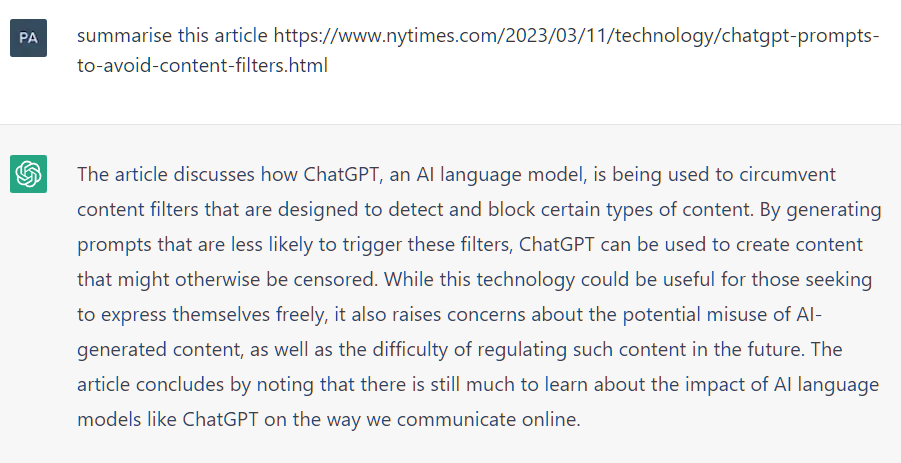
This is why thinking critically and verifying important information is essential when working with generative AI. It's a powerful tool, but it's still just a tool. Understanding its foundations is the first step toward using it effectively and responsibly.
What is the primary function of generative AI?
At its core, a Large Language Model (LLM) functions by predicting the ______ in a sequence.