Mastering Generative AI
Introduction to Generative AI
Beyond Prediction
You're already familiar with machine learning models that are excellent at prediction and classification. Feed a model thousands of labeled images, and it can learn to identify a cat in a new photo. Give it historical sales data, and it can predict next quarter's revenue. These models work by learning to map inputs to specific outputs.
Generative AI takes a different approach. Instead of just recognizing patterns, it learns the underlying structure of the data itself. This allows it to create entirely new, original content that resembles the data it was trained on. It doesn't just identify a cat; it can generate a picture of a cat that has never existed.
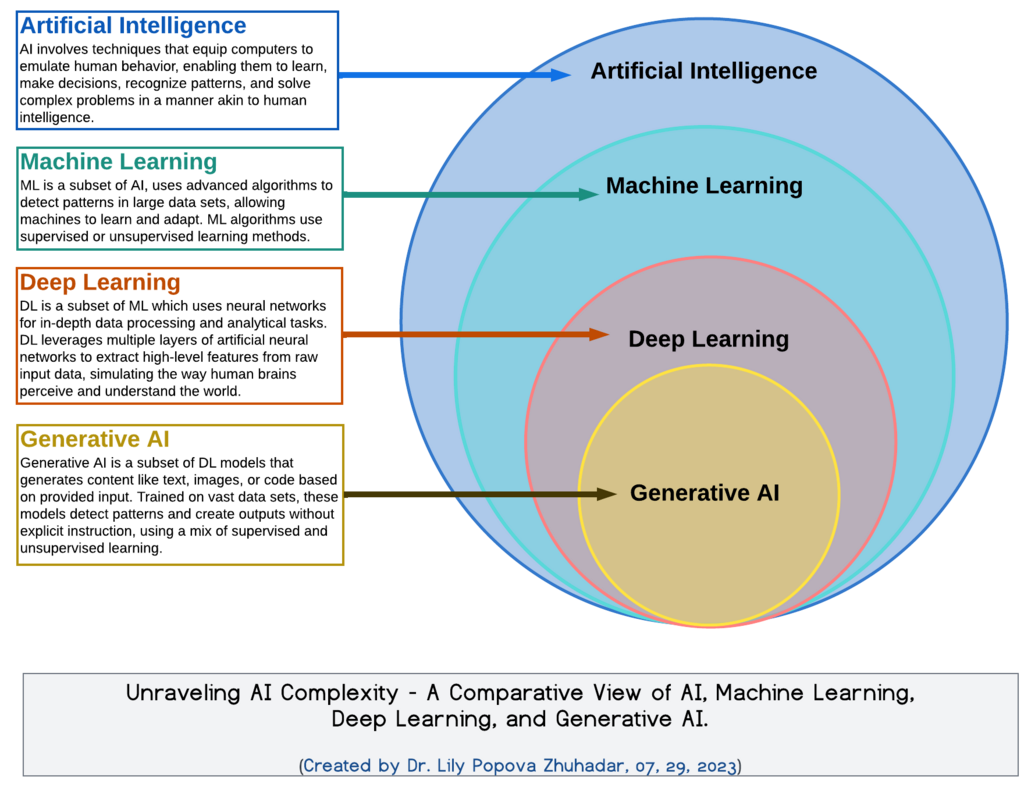
The models you've likely worked with before are often called discriminative models. They're trained to discriminate between different categories of data. A classic example is an email spam filter. It learns the boundary between what is spam and what is not spam. Its job is to draw a line between the two groups.
A discriminative model asks, "Does this look more like A or B?" A generative model asks, "What are the essential features that make something an A?"
A generative model, in contrast, tries to understand the distribution of the data. It learns the fundamental characteristics of what makes an email spam or not spam. Because it understands the essence of each category, it can generate new examples. It could, in theory, write a brand new spam email for you.
| Model Type | Primary Goal | Example Question | Common Task |
|---|---|---|---|
| Discriminative | Predict a label or value | Is this a picture of a cat or a dog? | Classification, Regression |
| Generative | Create new data instances | What does a typical cat look like? | Image synthesis, Text generation |
Real-World Creation
The ability to create novel content has unlocked a huge range of applications. Generative AI is now used to write articles, compose music, design products, and generate code. You've probably interacted with it without even realizing it.
Large Language Models (LLMs) like GPT can generate human-like text for everything from chatbots to creative writing. Diffusion models and Generative Adversarial Networks (GANs) create photorealistic images from simple text prompts. Other models can produce original musical scores in the style of famous composers or generate synthetic data to train other machine learning models, especially when real-world data is scarce or private.
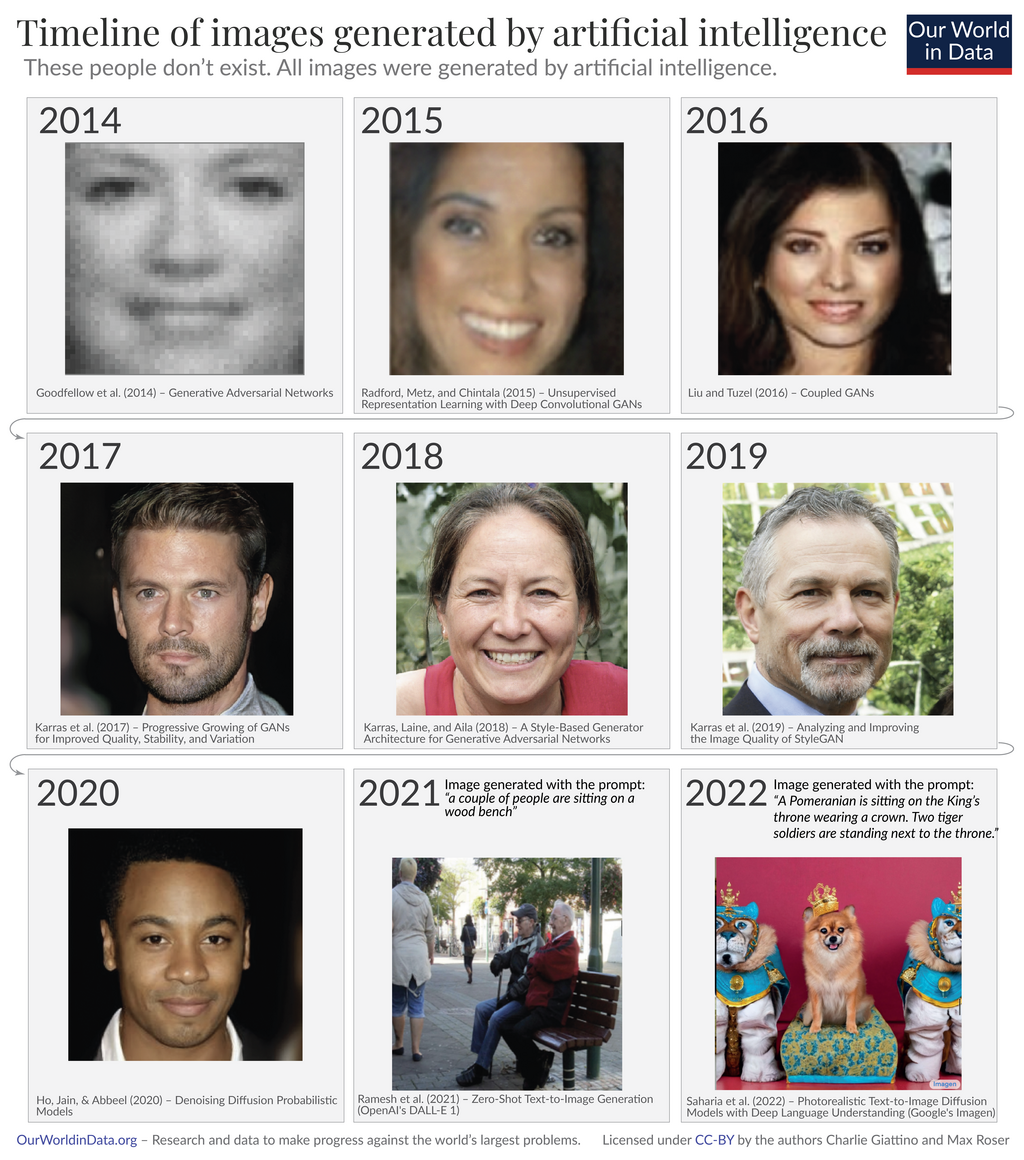
This creative power comes from learning a probability distribution of the training data. The model doesn't just memorize examples; it builds a compressed, statistical understanding of how the data is constructed. When asked to generate something new, it samples from this learned distribution to produce a novel output that is statistically similar to what it has seen before. This is why the quality and diversity of the training data are so critical to the performance of any generative model.
What is the primary difference between a generative AI model and a discriminative model?
An email spam filter is a classic example of a discriminative model.
This fundamental shift from discriminating to generating opens up a new frontier for what AI can accomplish.