Mastering Generative AI
Introduction to Generative AI
What is Generative AI?
Artificial intelligence that analyzes data is not new. For decades, AI has been sorting information, identifying patterns, and making predictions. This type of AI, often called traditional or discriminative AI, is great at answering questions like, "Is this a cat or a dog?" or "Will this customer cancel their subscription?" It works by learning the boundaries between different categories of data.
Generative AI is different. Instead of just analyzing existing data, it creates entirely new content. It learns the underlying structure and characteristics of a dataset and then uses that knowledge to generate new, original outputs. It's not just identifying the cat in the photo; it's creating a brand new photo of a cat that has never existed.
Generative AI refers to a type of artificial intelligence whose core function is to create new content—text, audio, images, video, or data—based on patterns it has learned from existing data.
Think of the difference this way: a traditional AI might be a skilled art critic, able to distinguish a Monet from a Manet. A generative AI is an artist, capable of painting a new work in the style of Monet. This ability to create has unlocked a new wave of possibilities, from writing code and composing music to designing products and discovering new medicines.
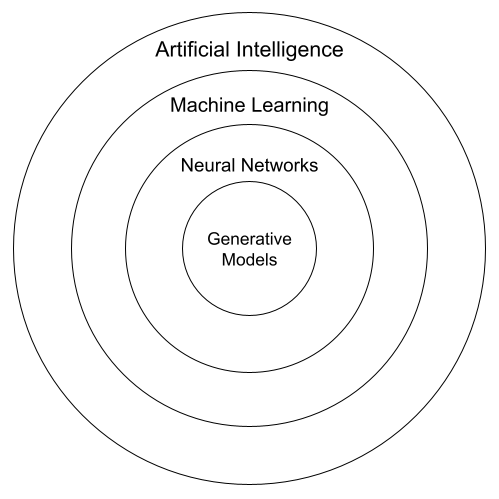
Meet the Models
Several types of models power generative AI, each with its own strengths. You don't need to be an expert on them, but it's helpful to know the key players.
Generative Adversarial Networks (GANs) work with two competing neural networks: a generator and a discriminator. The generator creates content, and the discriminator tries to tell if it's real or fake. They train against each other, getting better and better until the generator's creations are indistinguishable from the real thing. This method is famous for creating hyper-realistic images.

Variational Autoencoders (VAEs) are a bit different. They learn a compressed, simplified representation of data and then use that representation to generate new variations. They're useful for tasks where you want to create new versions of something that are similar but not identical to the original.
Transformers are the architecture behind many of the large language models (LLMs) you hear about today, like ChatGPT. They are exceptionally good at understanding context and relationships in sequential data, like text or music. This allows them to write coherent essays, translate languages, and generate computer code.
Applications and Ethics
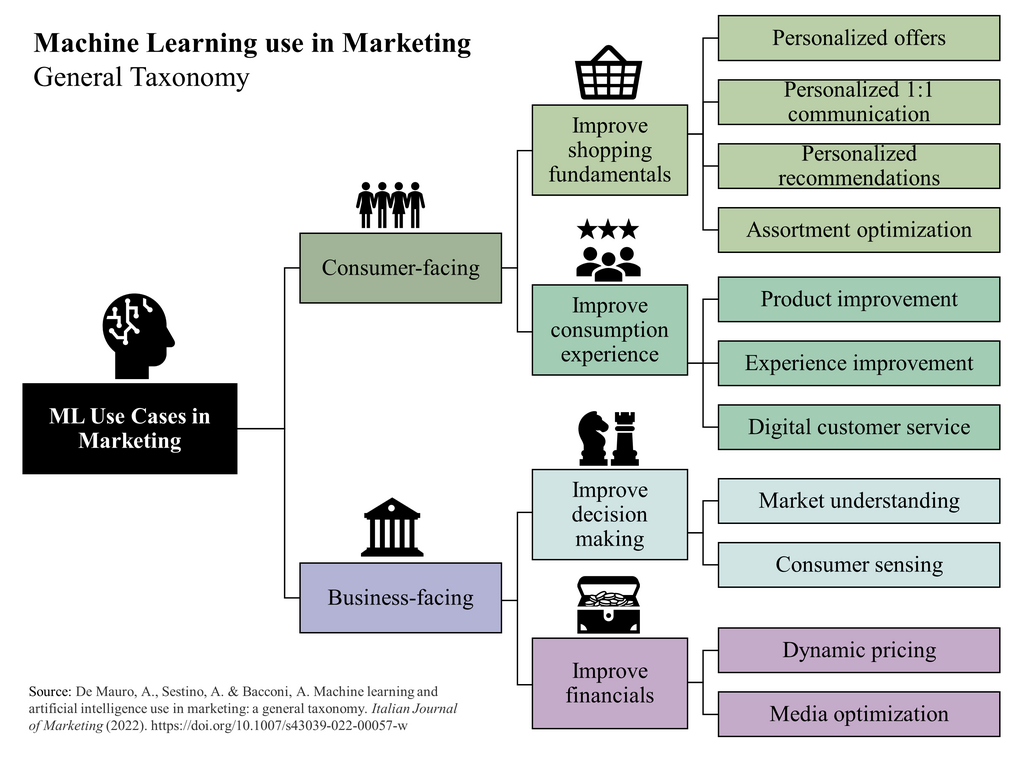
Generative AI is already being used in countless ways. Marketing teams use it to create ad copy and personalized campaigns. Software developers use it to write and debug code faster. Artists and musicians use it as a creative partner to explore new ideas.
In healthcare, it's helping to design new drugs and analyze medical images. In entertainment, it's creating special effects for movies and generating dialogue for video game characters. The list of applications is growing every day.
But this powerful technology also comes with significant challenges and ethical questions. Since these models are trained on vast amounts of internet data, they can inherit and amplify existing biases related to race, gender, and culture. There are also concerns about misinformation, as generative AI can create fake news articles or realistic but fabricated images and videos, often called "deepfakes."
Questions of copyright and intellectual property are also front and center. If an AI creates a song in the style of a famous artist, who owns it? What does it mean for human creativity when an AI can generate art or literature instantly? Navigating these issues requires careful thought and regulation to ensure the technology is used responsibly.
The rise of generative AI forces us to confront new ethical territory, from data bias and misinformation to the very definition of creativity and ownership.
Time to check what you've learned.
What is the primary difference between traditional AI and generative AI?
A generative AI model that uses two competing neural networks, a 'generator' and a 'discriminator,' to create hyper-realistic content is known as a ________.
Understanding these core concepts is the first step. Generative AI is a tool, and like any tool, its impact depends on how we choose to use it.