Mastering Generative AI
Introduction to Generative AI
What is Generative AI?
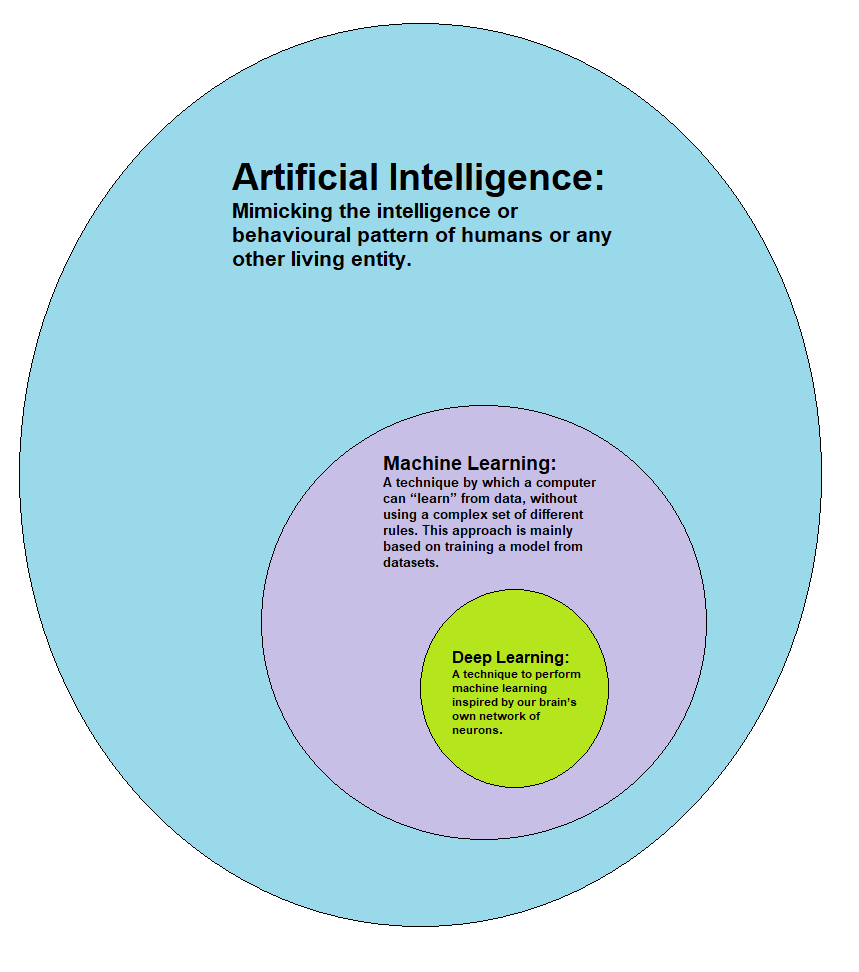
You're already familiar with Artificial Intelligence as a field where machines mimic human intelligence. Generative AI is a specific, powerful branch of AI that focuses on creation. Instead of just analyzing or categorizing information, generative models create entirely new content.
Think of it as the difference between a music critic and a composer. One analyzes existing music, while the other creates something entirely new. Generative AI is the composer.
This ability to generate novel content is what makes it so significant. It’s a leap from machines that understand the world to machines that can add to it. They learn underlying patterns and structures from vast amounts of data—text, images, sounds, code—and then use that knowledge to produce original works.
Creator vs. Classifier
Most traditional AI systems you might have encountered are what we call discriminative models. Their primary job is to distinguish between different types of data. A spam filter, for example, looks at an email and decides: spam or not spam? An image recognition model looks at a photo and classifies it: cat or dog? They make predictions based on existing data.
Generative AI works differently. It's not a classifier; it's a creator. Given a prompt, it doesn't just label something—it generates it. Ask for a picture of a cat, and it will create a new, unique image of a cat that has never existed before. Ask it to write a poem, and it will compose one.
| Feature | Traditional (Discriminative) AI | Generative AI |
|---|---|---|
| Primary Task | Classify, predict, or analyze existing data | Create new, original content |
| Output | A label, category, or prediction (e.g., 'spam') | A new artifact (e.g., an image, a story) |
| Example | Identifying a fraudulent transaction | Composing a piece of music |
| Question Answered | "What is this?" | "What would something like this look like?" |
From Ideas to Reality
The idea of machines that create isn't new. Early experiments in the mid-20th century, like chatbot programs, explored text generation. However, for decades, the results were limited. The models lacked the sophistication to create truly coherent or realistic content.
The game changed in the 2010s. The development of new neural network architectures, particularly Generative Adversarial Networks (GANs) in 2014 and Transformers a few years later, marked a turning point. Combined with the availability of massive datasets and powerful computer hardware, these innovations allowed generative models to produce content with stunning realism and complexity.
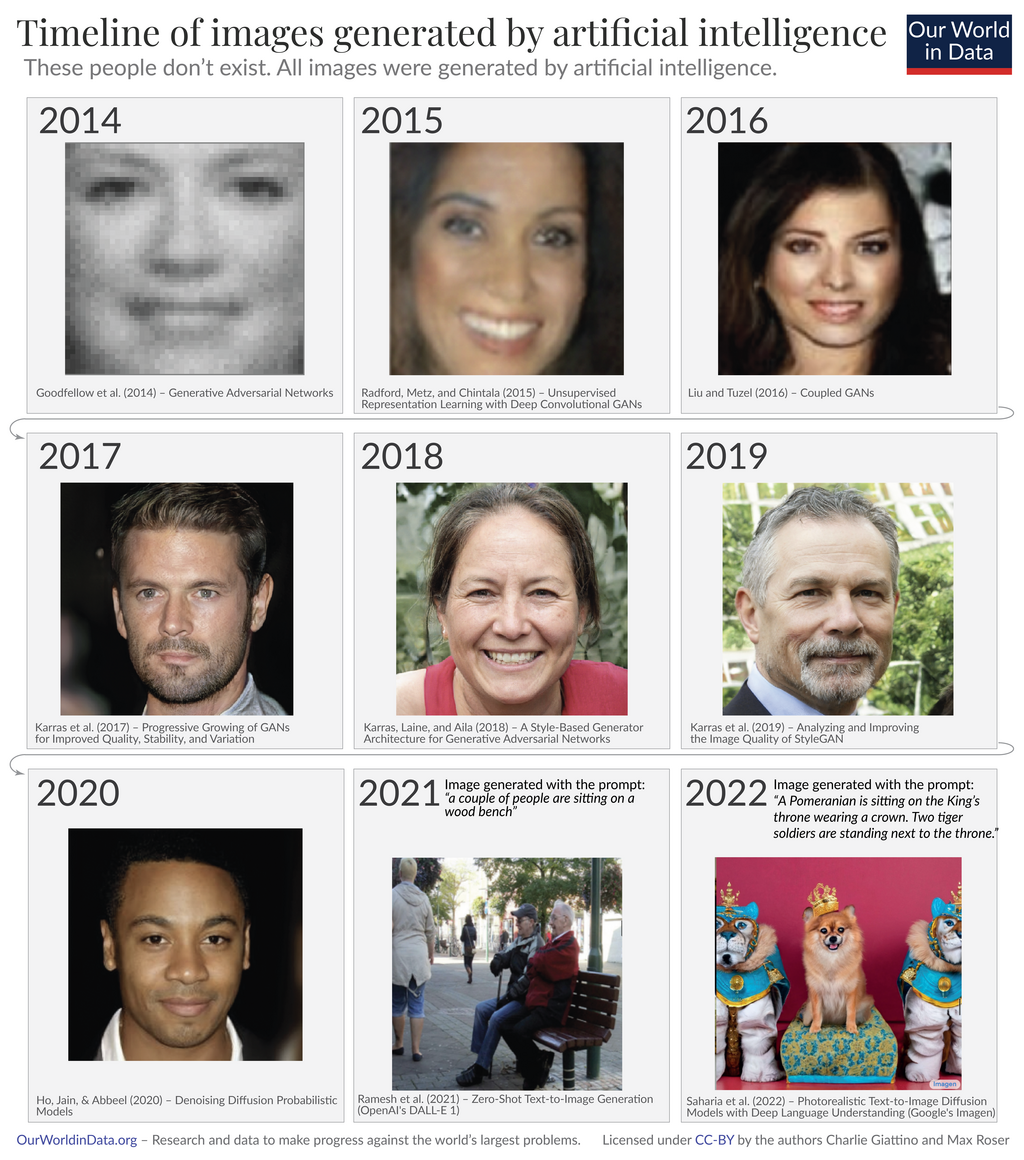
This progress has unlocked the ability to generate a wide range of content types:
Text: Writing emails, drafting articles, generating code, and creating dialogue. Images: Producing photorealistic pictures, art, and designs from simple text descriptions. Audio: Composing music, synthesizing speech, and creating sound effects. Video: Generating short video clips from text or image inputs.
The impact of this technology is already being felt across many industries. In marketing, it's used to create ad copy and visuals. In entertainment, it helps design characters and write scripts. Software developers use it to write and debug code more quickly. It's a tool that amplifies human creativity and automates content production on a massive scale.
What is the primary function of Generative AI, distinguishing it from traditional AI models?
Which of the following is a classic example of a discriminative AI task, not a generative one?
This is just the beginning. Understanding what Generative AI is and how it differs from other forms of AI is the first step to grasping its potential.