Mastering Generative AI
Introduction to Generative AI
What Is Generative AI?
Artificial intelligence comes in many forms. Some types are designed to analyze data and make predictions, like an AI that forecasts stock prices. Others are built to recognize patterns, like the one that identifies faces in your phone's photo gallery.
Generative AI is different. Instead of just analyzing or categorizing information, its main job is to create something new. It generates original content—text, images, music, or code—that mimics the patterns and structures it learned from vast amounts of training data.
Think of it this way: A traditional AI might learn to identify a cat in a photo. A generative AI learns what cats look like and can create a brand-new, realistic image of a cat that has never existed.
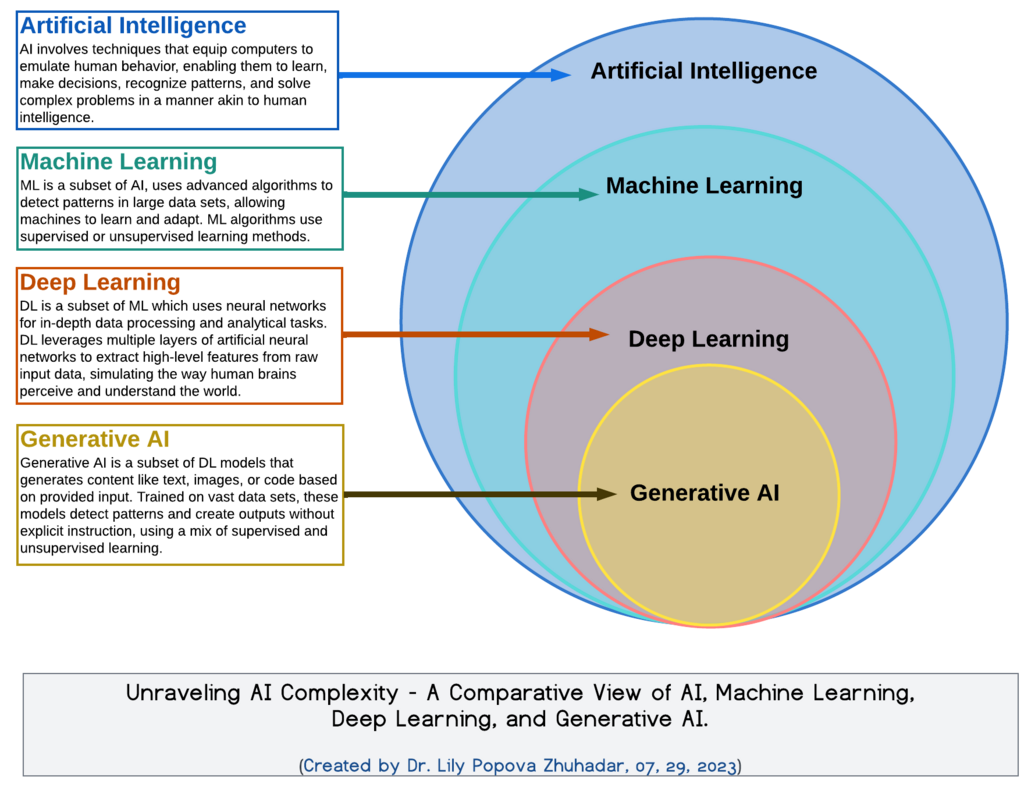
This ability to create makes generative AI a powerful tool for everything from writing emails to designing products. It's a subset of machine learning and deep learning, representing a significant leap forward in what machines can do.
A Quick History
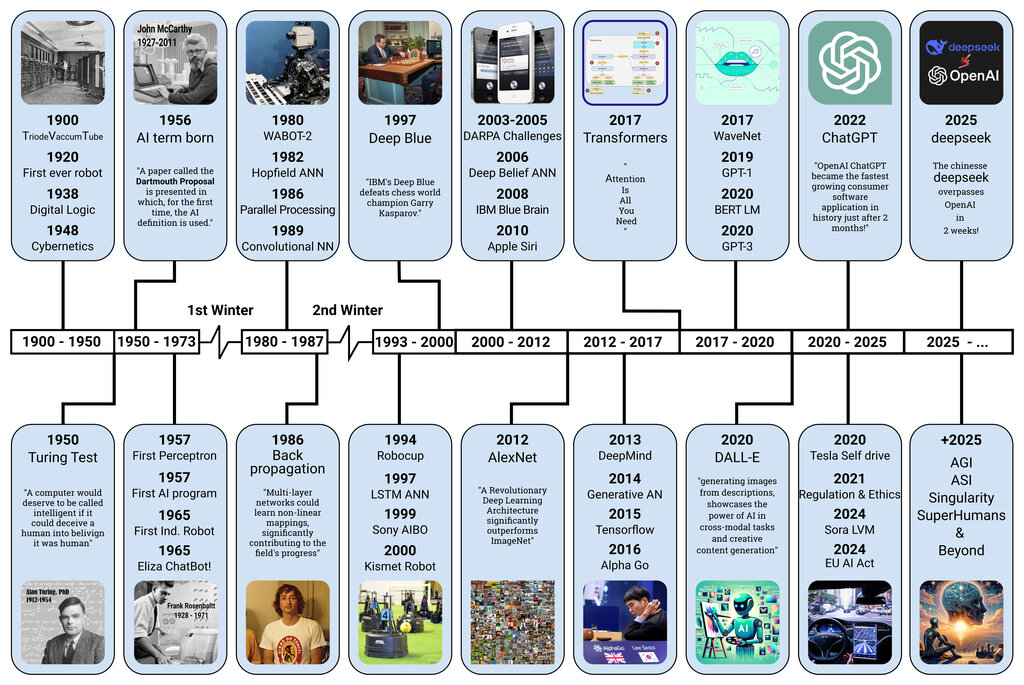
The idea of machines that can create isn't new, but for decades, it was mostly science fiction. Early AI systems followed rigid, rule-based instructions. They could play chess or solve specific logic puzzles, but they couldn't compose a poem or paint a picture.
The shift toward true generative ability began with advances in machine learning, particularly with neural networks that could learn complex patterns from data. But two key breakthroughs really pushed generative AI into the spotlight.
The Game Changers
In 2014, a new concept called Generative Adversarial Networks, or GANs, was introduced. GANs work by pitting two neural networks against each other in a creative competition.
One network, the "generator," creates new content, like an image of a human face. The second network, the "discriminator," acts as a critic, trying to determine if the image is real or fake. The generator keeps trying to fool the discriminator, and both get progressively better. This process results in incredibly realistic, AI-generated images.
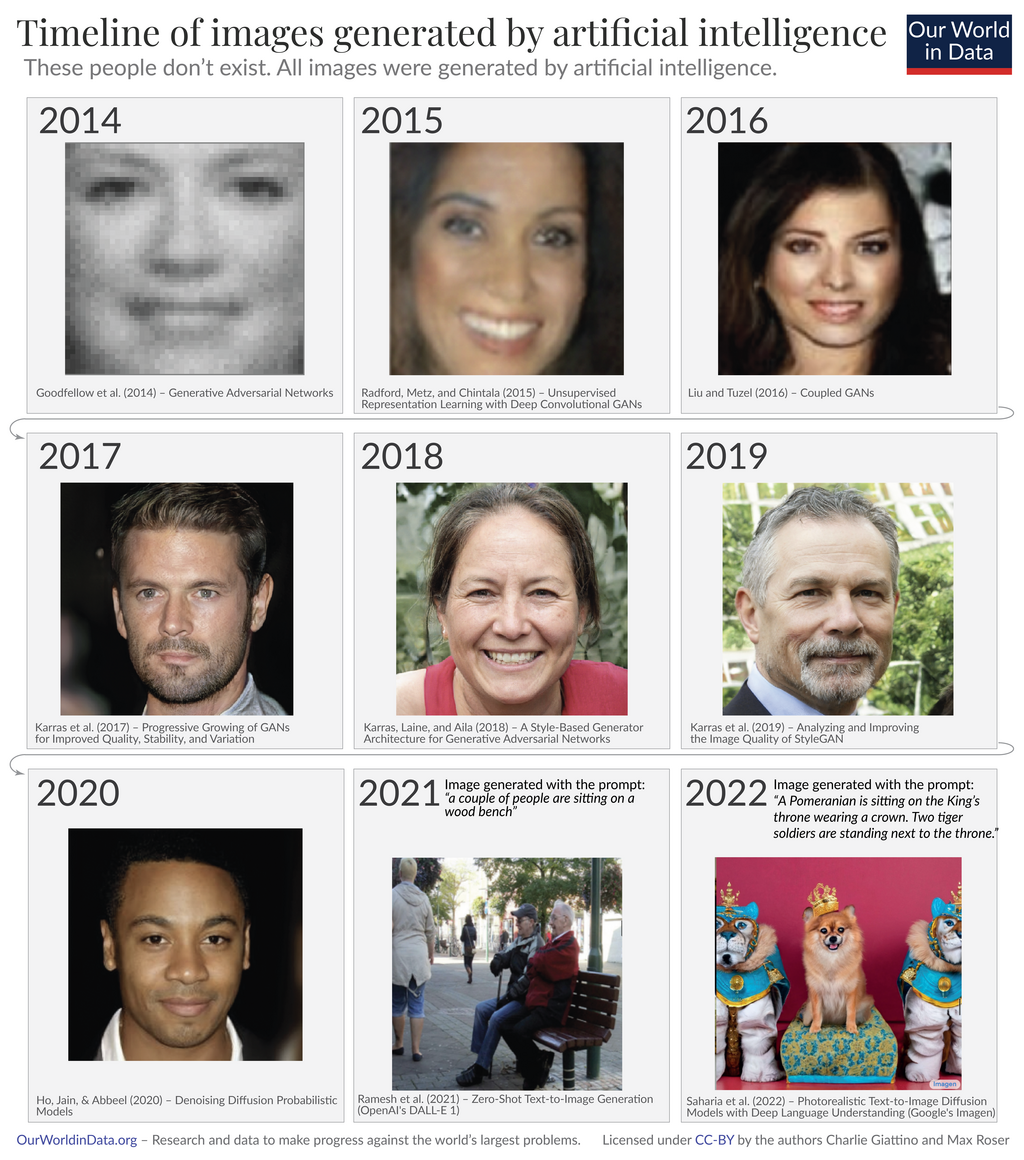
The second major breakthrough came in 2017 with the invention of the Transformer model. Originally designed for language translation, the Transformer architecture revolutionized how AI processes sequential data, like sentences.
Its key innovation is the "attention mechanism," which allows the model to weigh the importance of different words in a sentence to understand context. This is why models built on Transformers, like the famous GPT series, can generate such coherent and contextually relevant text. They don't just string words together; they understand the relationships between them.
Where Is GenAI Used?
With the ability to generate new content, GenAI is finding applications in almost every industry. It's not just about chatbots or creating fun images.
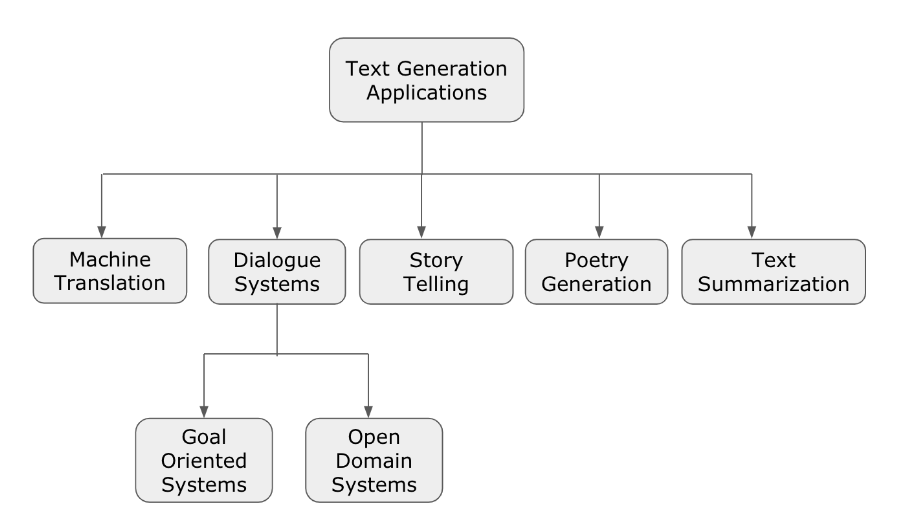
In marketing, it can write personalized ad copy and social media posts. For software developers, it can suggest lines of code or even entire functions, speeding up development. In the entertainment world, it helps create visual effects for movies and generates dialogue for video game characters. Creative professionals use it as a brainstorming partner to come up with new ideas for designs, music, and stories.
Generative AI acts as a powerful assistant, automating repetitive creative tasks and opening up new possibilities for innovation.
Ready to check your understanding?
What is the primary function that distinguishes generative AI from other types of AI?
In a Generative Adversarial Network (GAN), what is the role of the 'discriminator' network?
This ability to create is what makes generative AI one of the most exciting and rapidly evolving fields in technology today.