Mastering Gemini 3
Introduction to Gemini 3
Meet Gemini
Gemini is Google's latest family of artificial intelligence models. Developed by Google AI, it represents a significant step forward in how AI can understand and interact with the world. Think of it less as a single program and more as a foundational engine designed to power a new generation of AI tools.
Gemini is Google’s long-promised, next-gen generative AI model family.
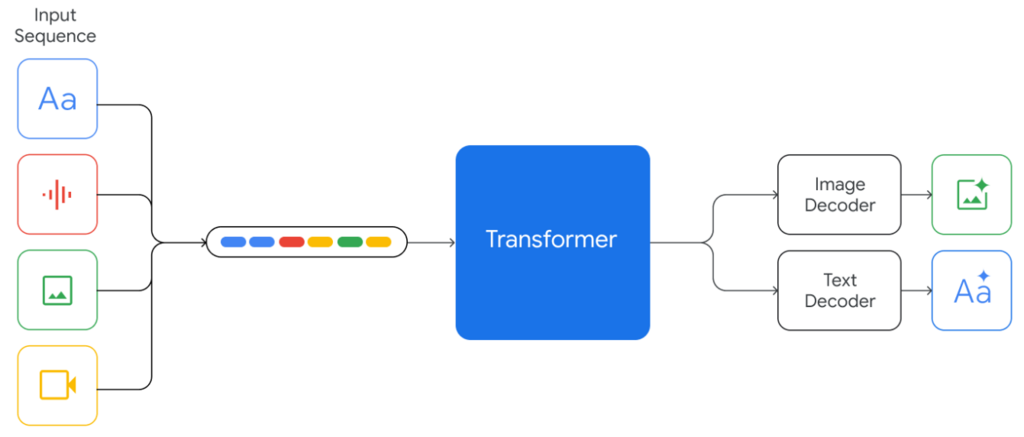
Unlike many previous models that were trained primarily on text, Gemini was designed from the ground up to be “natively multimodal.” This means it can seamlessly understand, combine, and reason about different types of information at the same time, including text, images, audio, and even video.
Key Upgrades
So what makes this new generation of Gemini models different? The biggest improvements are in its reasoning and understanding capabilities. It's better at tackling complex, multi-step problems that require deep thought.
One version, Gemini Ultra, became the first AI model to outperform human experts on a key academic benchmark that tests knowledge across 57 subjects, including math, history, law, and ethics.
This advanced reasoning isn't just for academic tests. It allows Gemini to better understand the nuances of a request and generate more helpful, accurate responses. For example, it can analyze a complex document and pull out the key arguments, or look at a picture of a meal and generate a recipe for it.
Significance in AI
The development of more powerful and flexible models like Gemini is important because it pushes the boundaries of what AI can do. It moves us closer to AI that can act as a true creative partner and problem-solving assistant.
This isn't just happening in a lab. Google is integrating Gemini across its ecosystem, from its search engine to its workplace apps.
Use Gemini for Google Workspace to draft Google Docs and emails, or to summarize information across several documents in Google Drive.
By making these powerful tools more accessible, the goal is to enhance productivity and creativity. The ability to process different kinds of information natively could lead to entirely new applications, changing how we interact with technology in our daily lives.
What is the primary characteristic that makes Google's Gemini models 'natively multimodal'?
What is described as a key improvement in Gemini's capabilities?