Mastering Functional Nutrition and Metabolism
Metabolic Macronutrient Interactions
Your Body’s Fuel Manager
Your body doesn't just count calories; it responds to signals. After you eat, the specific mix of macronutrients in your meal triggers a hormonal cascade that tells your cells whether to store energy or release it. The primary conductors of this orchestra are insulin and glucagon, two hormones released by the pancreas.
The key metric is the (I:G ratio). Think of it as a switch that dictates your metabolic state. A meal high in carbohydrates floods your bloodstream with glucose, causing a sharp rise in insulin and a drop in glucagon. This high I:G ratio is a clear signal for your body to enter 'storage mode.' Cells are instructed to pull glucose from the blood, replenish glycogen stores in the liver and muscles, and convert any excess energy into fat.
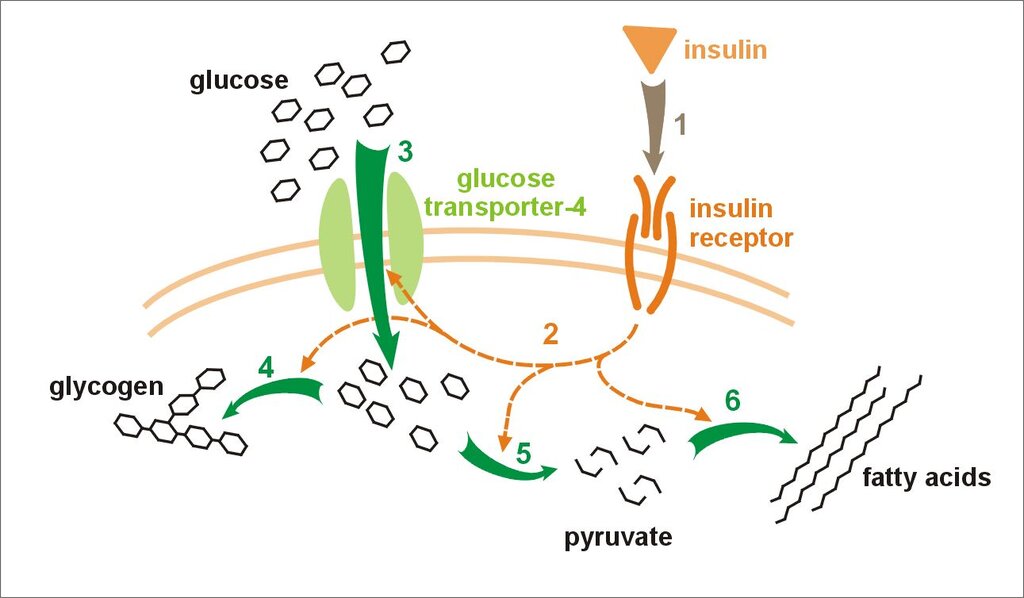
Conversely, a meal rich in protein with minimal carbohydrates prompts a more balanced response. Protein stimulates a modest release of insulin (to help shuttle amino acids into cells) but also a significant release of glucagon. This keeps the I:G ratio low, preventing the strong storage signal you'd get from carbs. In a fasted state or on a very low-carb diet, glucagon dominates. It tells your liver to release stored glucose (glycogenolysis) and even create new glucose from other sources, like amino acids.
Insulin is the 'store energy' hormone. Glucagon is the 'release energy' hormone. Their balance dictates your body's immediate metabolic priority.
When Pathways Cross
Your body is incredibly resourceful. When one fuel source is scarce, it can create what it needs from another. This metabolic flexibility hinges on three key processes.
Gluconeogenesis: This is the process of creating new glucose from non-carbohydrate sources. When you haven't eaten for a while or are on a low-carb diet, your liver can take amino acids (from protein) or glycerol (from the breakdown of fats) and convert them into glucose. This is crucial for fueling your brain and red blood cells, which rely heavily on glucose.
De Novo Lipogenesis (DNL): This literally means 'making new fat.' When your glycogen stores are full and you still have excess glucose from carbohydrates, your liver converts that glucose into fatty acids. These are then packaged into triglycerides and sent off to be stored in adipose tissue. DNL is typically minimal on a balanced diet but can become significant when carbohydrate intake is consistently high.
Ketogenesis: On a very low-carbohydrate, high-fat diet, or during prolonged fasting, your body shifts its primary fuel source. With glucose scarce, the liver starts breaking down large amounts of fat into ketone bodies. These molecules can be used as an alternative fuel by the brain, heart, and muscles, effectively replacing glucose.
Metabolic Costs and Appetites
Not all calories are created equal when it comes to digestion. The (TEF) is the energy your body expends to digest, absorb, and process nutrients. Protein is the clear winner here, with a TEF of 20–30%. This means for every 100 calories of protein you eat, your body uses 20–30 of those calories just to handle it. Compare that to carbohydrates (5–10%) and fats (0–3%). The high TEF of protein is partly due to the energy-intensive process of removing its nitrogen group (deamination) before the carbon skeleton can be used for energy.
This ties into the Protein Leverage Hypothesis. This theory suggests that humans (and other animals) have a powerful, innate appetite for protein. We will continue to eat until we've met our protein needs. If your diet is low in protein but high in fats and carbs, you may overeat total calories in the pursuit of sufficient protein. Conversely, by prioritizing protein, you can often feel full and satisfied with fewer overall calories, thanks to both its powerful effect on satiety hormones and this built-in biological drive.
Understanding these interactions—how hormones direct traffic and how different macronutrients trigger distinct metabolic pathways—is the key to moving beyond simple calorie counting. The type of food you eat sends a powerful message to your body, influencing not just energy storage but also your metabolic rate and appetite.
What is the primary hormonal signal that tells your body to enter 'storage mode' after a high-carbohydrate meal?
Which macronutrient has the highest Thermic Effect of Food (TEF), meaning your body expends the most energy to digest, absorb, and process it?