Mastering Fresh Pasta
Introduction to Fresh Pasta
The Joy of Fresh Pasta
Fresh pasta is a culinary delight, worlds apart from the dried pasta in a box. Made from a simple dough of flour, eggs, and a little salt, its magic lies in its texture: tender, slightly chewy, and porous enough to absorb sauces beautifully. While dried pasta is fantastic for its long shelf life, fresh pasta offers a delicate, luxurious eating experience.
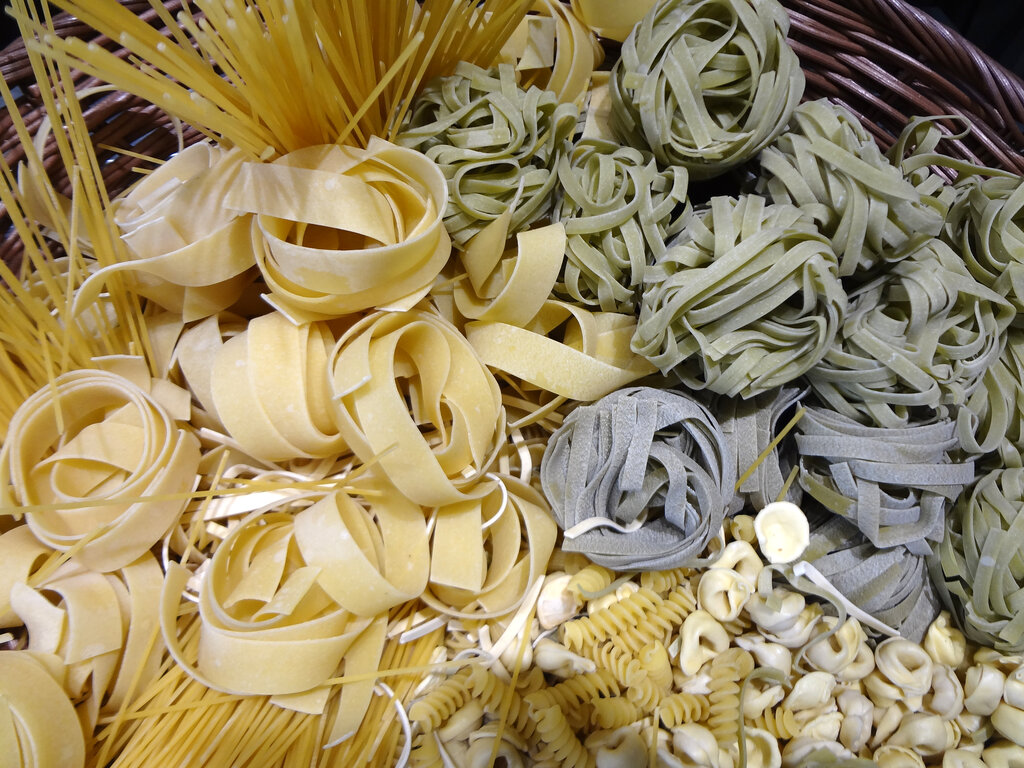
There are two main families of fresh pasta. In Northern Italy, you’ll find soft, egg-based doughs rolled thin and cut into ribbons like tagliatelle or shaped into ravioli. In the South, eggless doughs made with just flour and water are more common, often formed into heartier shapes like orecchiette or cavatelli.
Why Make It Yourself?
Making pasta at home is a rewarding process that connects you to your food. The biggest benefit is control. You choose the ingredients, which directly impacts the flavor and quality. The difference in taste is striking; homemade pasta has a rich, eggy flavor and a delicate bite that store-bought versions can rarely match.
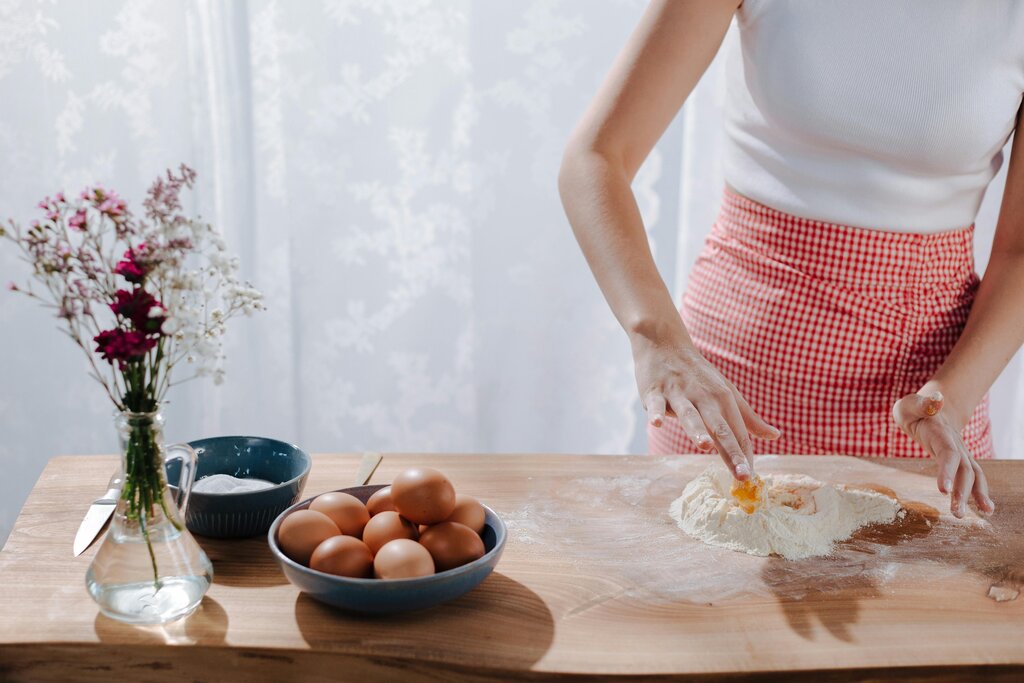
Fresh pasta you buy at the store is often a compromise. It’s better than dried, but it can be days or weeks old, losing some of its tenderness. When you make it yourself, you cook it within minutes of creating it, capturing that perfect texture. Plus, it's a fun and almost meditative activity to turn basic ingredients into something wonderful.
The Building Blocks
Pasta dough requires very few ingredients, so the quality of each one matters immensely. Let's break down the core components.
Flour is the heart of your pasta. The type of flour you use determines the dough's texture, color, and elasticity.
Different flours serve different purposes. While Italian "00" flour is prized for its fine texture, all-purpose flour is a perfectly good starting point for egg doughs. For a more traditional, rustic pasta with a firmer bite, semolina is the classic choice.
| Flour Type | Best For | Resulting Texture |
|---|---|---|
| All-Purpose | Egg pastas (tagliatelle, ravioli) | Soft and tender |
| Semolina | Eggless pastas (orecchiette) | Firm, chewy, and slightly grainy |
| Durum | Commercial dried pasta | Very firm and elastic |
Next are the eggs. They provide fat, moisture, and protein, which enrich the dough and give it a vibrant yellow color and a silky texture. The fat from the yolks makes the dough tender and flavorful. For the best results, use the freshest eggs you can find.
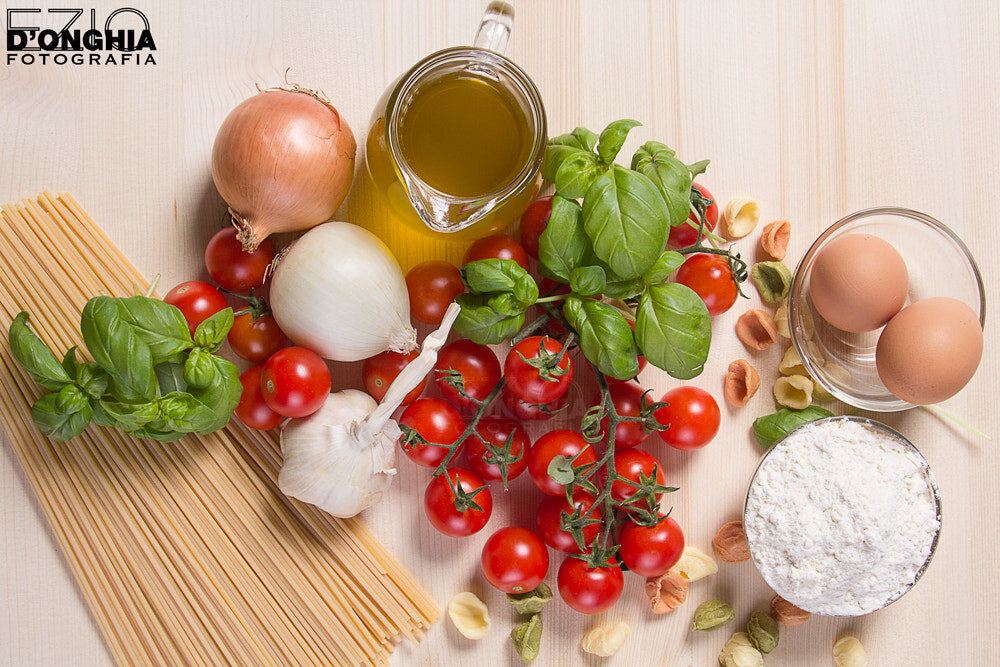
Finally, water and salt play essential supporting roles. Water is the primary liquid in eggless doughs, hydrating the flour to form gluten. Salt is purely for flavor. A small pinch in the dough enhances the taste of the final product, ensuring it isn't bland.
Since this recipe is so simple, every component shines. Using high-quality flour and fresh, rich-yolked eggs will elevate your pasta from good to unforgettable. The better the ingredients, the more delicious the result.