Mastering French Culinary Arts
Introduction to French Cuisine
More Than Just Food
French cuisine is an art form woven into the country's cultural fabric. It’s about more than just what’s on the plate; it's about the entire experience. From the careful selection of fresh, local ingredients to the ceremonial pace of a multi-course meal, food is a cornerstone of daily life and celebration.
This deep appreciation for gastronomy is so significant that in 2010, the “gastronomic meal of the French” was added to UNESCO's list of Intangible Cultural Heritage. This honor doesn't just recognize the food itself, but the social ritual that surrounds it: the art of pairing food with wine, the beautiful presentation of dishes, and the shared pleasure of eating together.
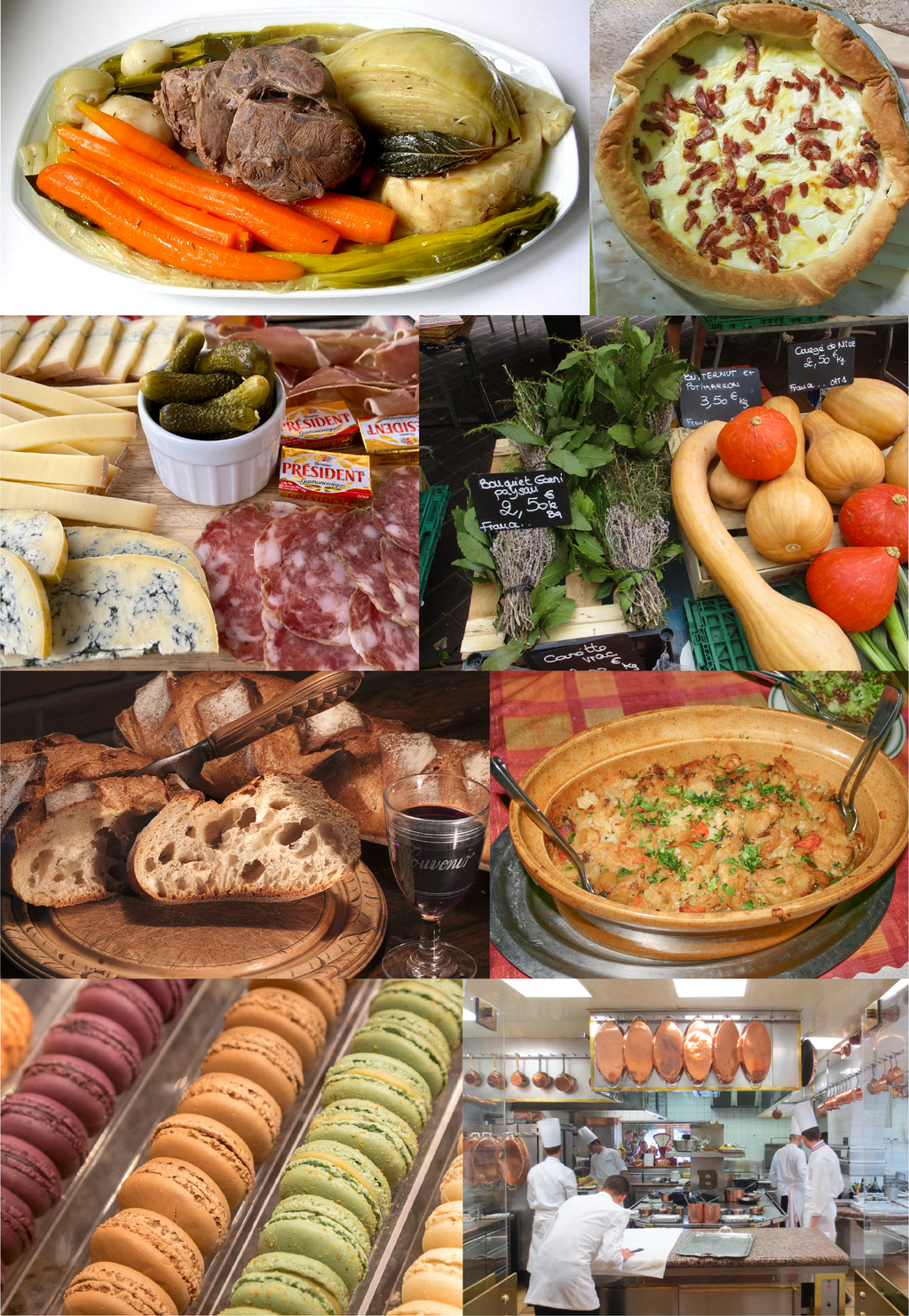
In France, a meal is a moment of conviviality, for sharing and talking, that brings family and friends together.
A Look Back in Time
French cooking has a long and storied past. During the Middle Ages, feasts were grand but often heavy, with a strong emphasis on spiced meats. The Renaissance brought a wave of Italian influence, largely thanks to Catherine de' Medici, who introduced new ingredients like artichokes and sophisticated pastry techniques to the French court.
By the 17th century, French chefs began to forge their own path. François Pierre de la Varenne wrote a cookbook that broke from Italian traditions, emphasizing regional ingredients and more subtle flavors. This laid the groundwork for what would become haute cuisine, or “high cooking.”
In the late 19th and early 20th centuries, Auguste Escoffier revolutionized the culinary world. He organized the modern kitchen into a brigade system and codified the five “mother sauces” that remain fundamental to French cooking today. His work defined the elegant, elaborate style that many associate with classic French restaurants.
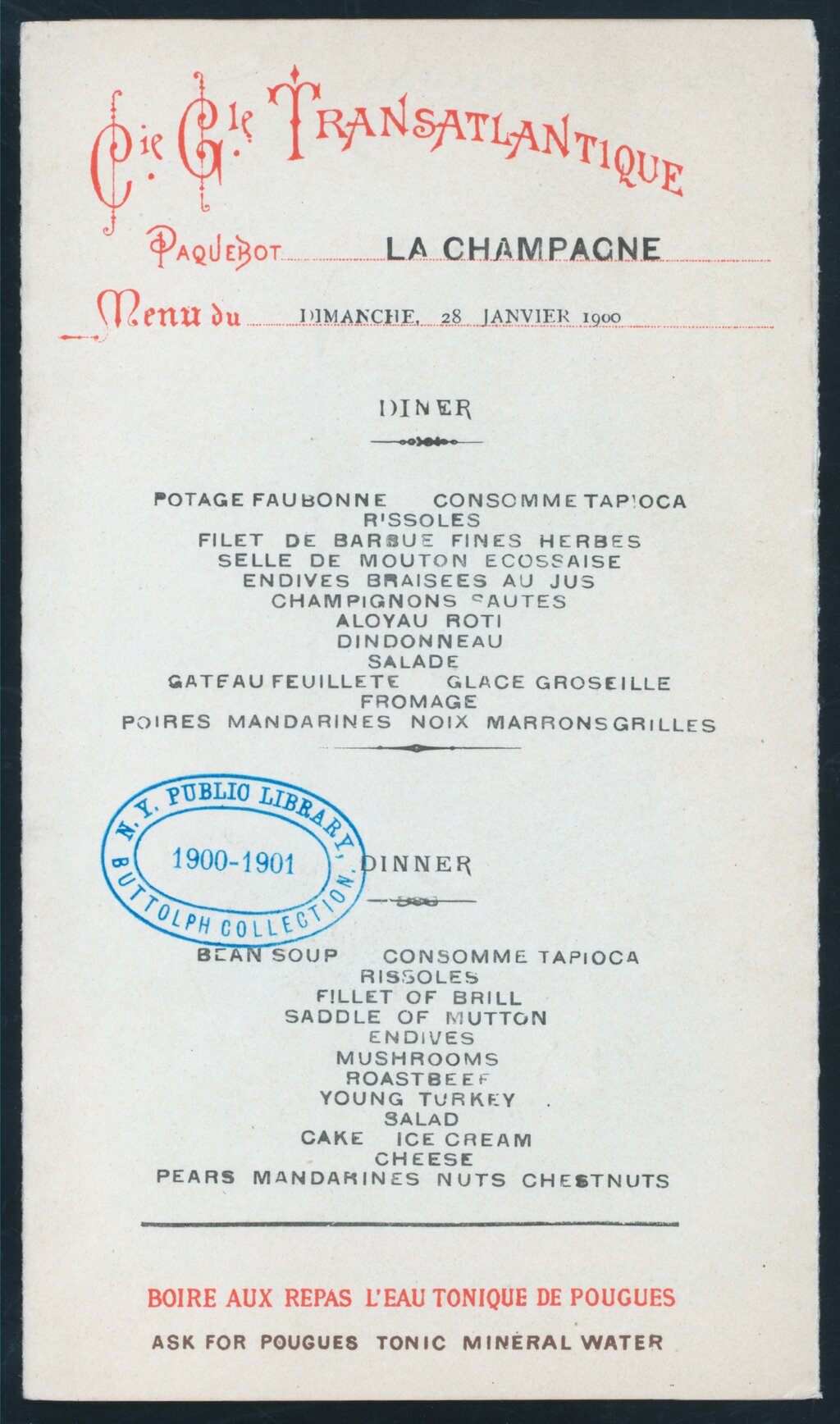
Later, in the 1960s and 70s, a new movement called nouvelle cuisine emerged. Chefs reacted against the richness of haute cuisine, favoring lighter, more delicate dishes with an emphasis on fresh ingredients and artistic presentation. This modern approach continues to influence chefs around the world.
A Tour of Tastes
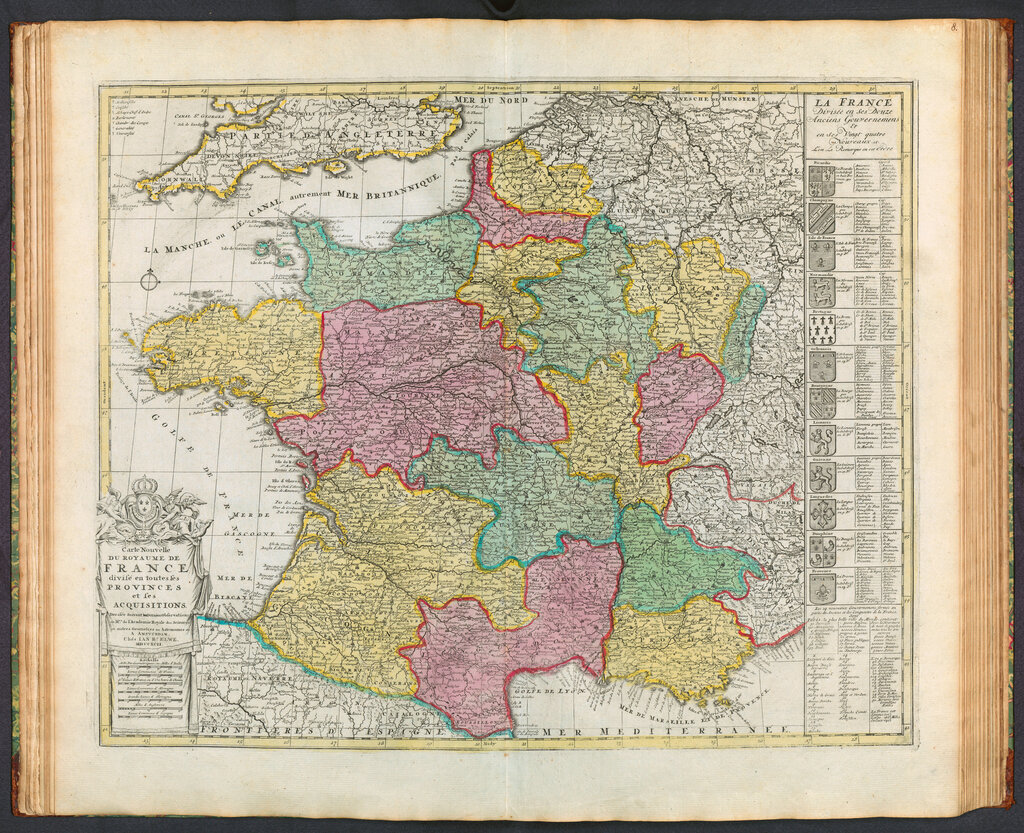
There isn't just one “French cuisine,” but many. The country’s diverse geography and history have created distinct culinary traditions in each region, each with its own signature ingredients and iconic dishes.
In the sunny southeast, Provence leans on Mediterranean flavors: olive oil, garlic, tomatoes, and fresh herbs are staples in dishes like ratatouille.
Along the rugged northwest coast, Brittany is famous for its seafood, especially oysters and mussels. It's also the home of delicate crêpes and rich, salted butter.
Near the German border, the cuisine of Alsace has a distinct character. Hearty dishes like choucroute garnie (sauerkraut with sausages and meats) and creamy tarte flambée are local favorites.
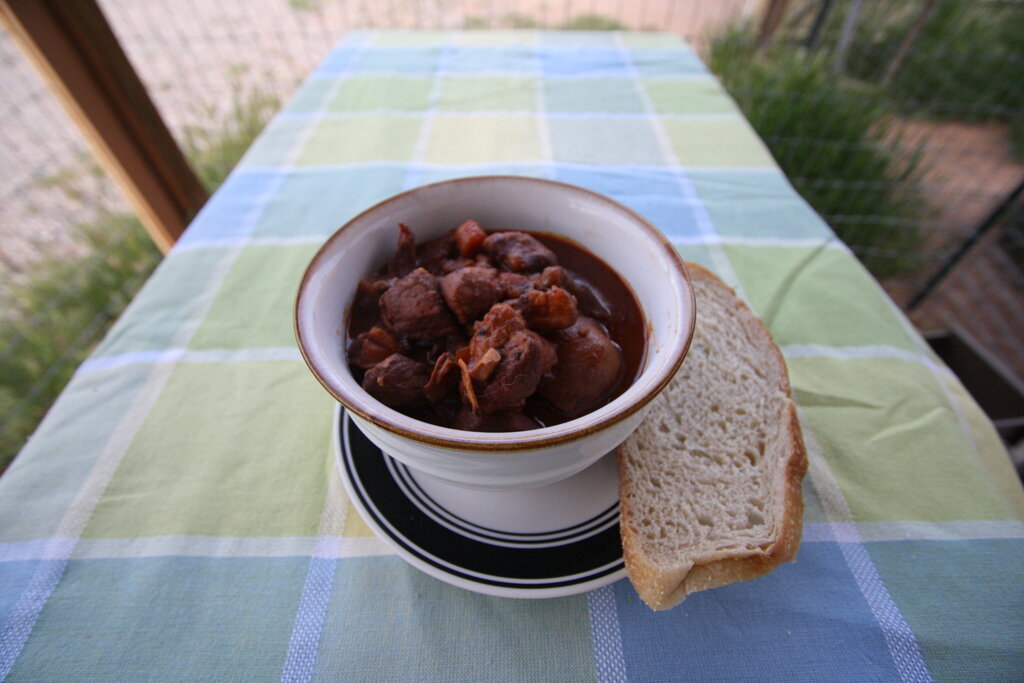
In Burgundy, world-famous wines are not just for drinking but for cooking, too. This region gave us rich, slow-cooked classics like boeuf bourguignon (beef Burgundy) and coq au vin (chicken in wine).
This regionality is at the heart of French cooking. It reflects a deep connection to the land, or terroir, celebrating the unique products and traditions that make each part of France a delicious destination in its own right.