Mastering French Cuisine
Introduction to French Cuisine
A Culinary History
French cuisine wasn't always about delicate sauces and perfectly baked croissants. During the Middle Ages, French food was heavy and heavily spiced, a style designed to show off the wealth of the host. Banquets were theatrical, featuring exotic ingredients and elaborate presentations.
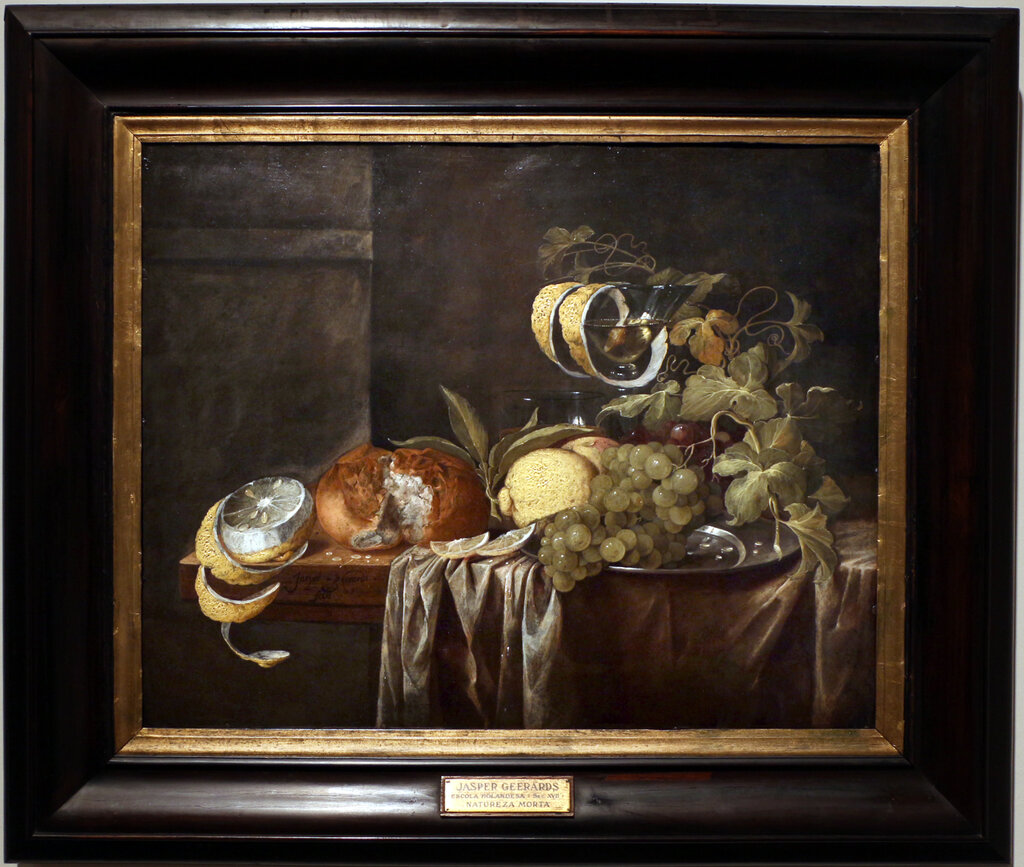
The shift toward what we now recognize as French cooking began during the Renaissance. Italian influences, particularly through Catherine de' Medici who married into the French court, introduced new ingredients like artichokes and new techniques. Chefs began to move away from overpowering spices to enhance the natural flavors of high-quality, fresh ingredients.
This evolution culminated in the development of haute cuisine, or "high cooking." By the 17th century, chefs like François Pierre de la Varenne started writing down recipes and codifying techniques, treating cooking as a disciplined art. Later, after the French Revolution, many chefs who had worked for the aristocracy opened their own restaurants, making fine dining accessible to the public for the first time. The restaurant as we know it was born in Paris.
A Tour of France by Plate
There is no single "French food." Instead, the country is a patchwork of distinct regional cuisines, each shaped by its unique geography, climate, and history. The food in the sunny, coastal region of Provence, with its reliance on olive oil, tomatoes, and herbs, is completely different from the cuisine of Normandy in the north, which is famous for its rich cream, butter, and apples.
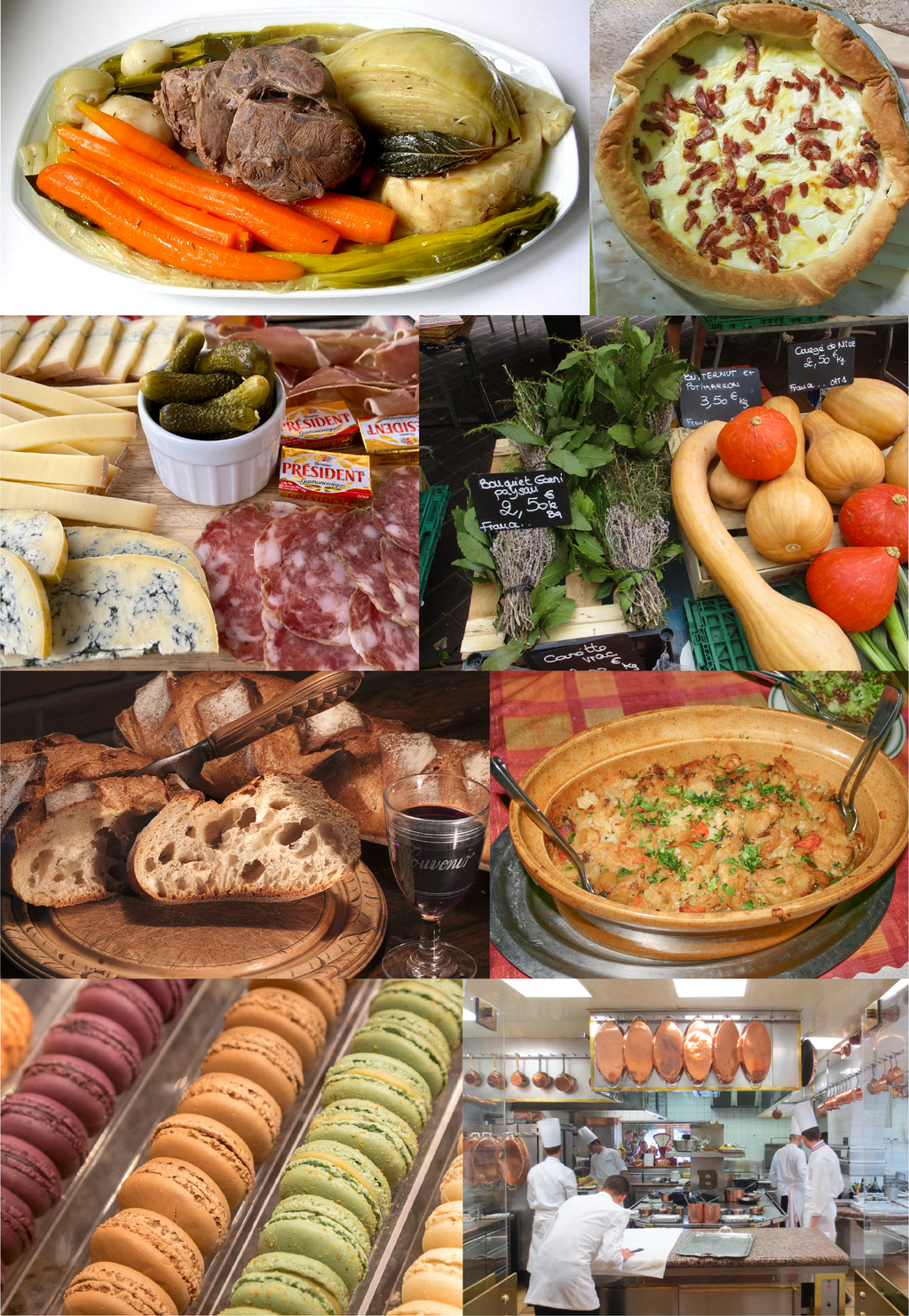
In Burgundy, a region renowned for its wine, you'll find classic, slow-cooked dishes like boeuf bourguignon (beef burgundy) and coq au vin (chicken in wine). Travel southwest to the Languedoc region, and you'll encounter cassoulet, a hearty stew of white beans and meat. Along the German border in Alsace, the food has a distinct Germanic influence, with dishes like choucroute garnie (a dressed sauerkraut with sausages and other meats).
This regionality is a source of immense national pride. The French often identify more strongly with their local specialties—the cheeses, wines, and signature dishes of their home region—than with a generic national cuisine.
More Than Just a Meal
In France, a meal is rarely just about fueling the body. It's a cherished ritual, a cultural cornerstone that emphasizes pleasure, companionship, and tradition. The French approach to eating is deliberate and unhurried. Lunch breaks can last up to two hours, and dinners are social events meant to be savored over several courses.
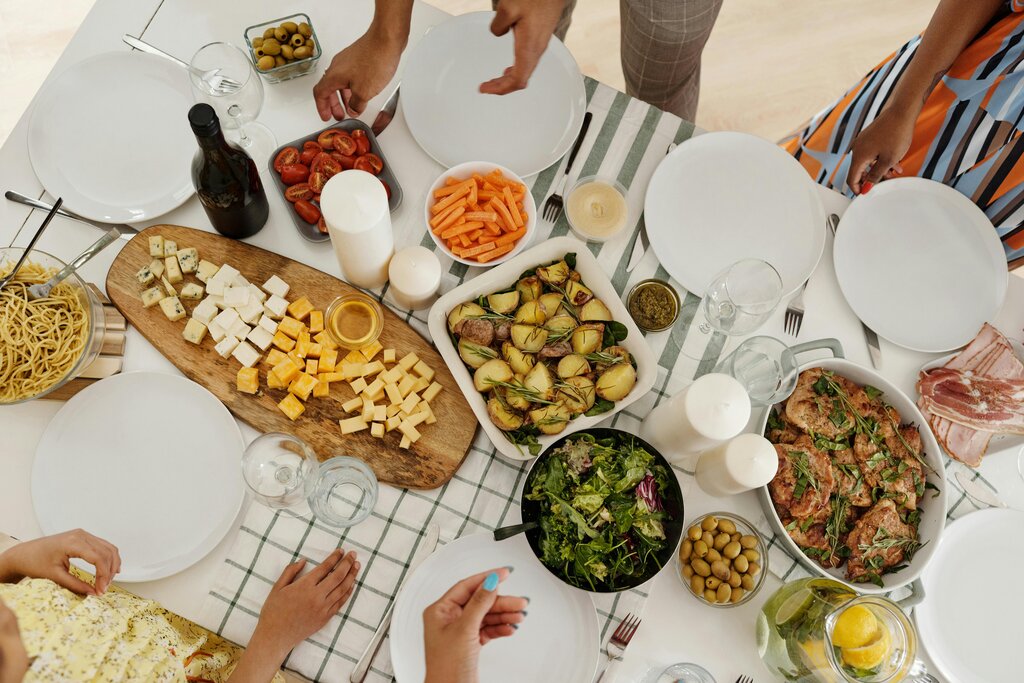
A traditional French dinner follows a specific structure. It might begin with an apéritif (a pre-dinner drink with small snacks), followed by an entrée (appetizer), the plat principal (main course), a cheese course (fromage), and finally dessert. Coffee often concludes the meal.
Dining etiquette reflects this respect for food and company. It's customary to keep both hands visible on the table (not in your lap) and to use bread to push food onto your fork rather than eating it with your soup or as an appetizer. Rushing a meal is considered impolite. The goal is to enjoy the food, the wine, and the conversation in equal measure.
What was the primary purpose of using heavy spices in French cuisine during the Middle Ages?
Which historical figure is credited with introducing Italian culinary influences, like artichokes, to the French court?