Mastering Freelance Payment Contracts
Understanding Freelance Contracts
The Purpose of a Contract
A freelance contract is more than just a legal document. Think of it as a roadmap for your project. It’s an agreement that clearly outlines what you’ll do, what the client will do, and how everyone will be happy at the end. Its main purpose is to prevent misunderstandings before they happen.
When you and your client agree on the details up front, you build trust and start the professional relationship on solid ground. A clear contract ensures both parties are on the same page about the work, the deadlines, and the payment.
A contract is an essential safety net for your freelance business.
It protects you from common freelance headaches like scope creep, where the project keeps growing beyond the original plan, and late or missed payments. Without a written agreement, you have little recourse if a client refuses to pay or claims you didn’t deliver what they expected.
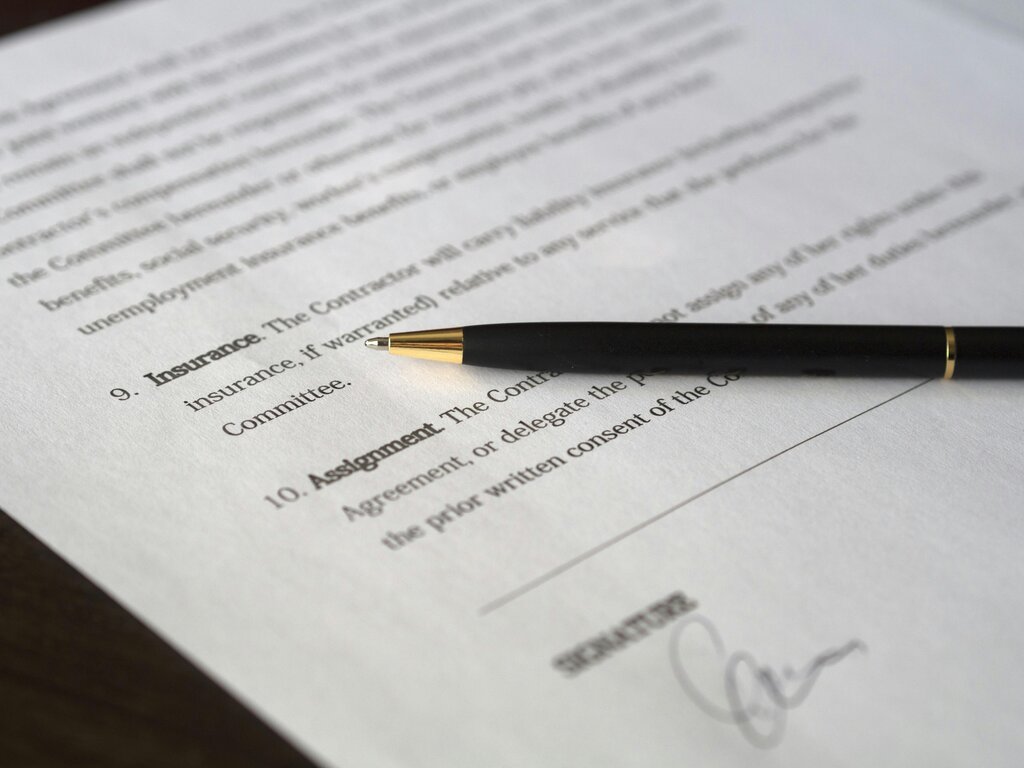
Key Components of Your Contract
A good contract doesn’t need to be filled with complicated legal jargon. It just needs to be clear and cover the essential elements of your project. Let's break down what every freelance contract should include.
The most important sections are the Scope of Work, Deliverables and Timelines, and Payment Terms. These three areas define the what, when, and how of your project.
Scope of Work This section details exactly what services you will provide. Specificity is your best friend here. Avoid vague descriptions. Instead of saying "social media management," list the exact tasks, like "create and schedule 3 posts per week for Instagram and Facebook, including caption writing and image sourcing."
Deliverables & Timelines Deliverables are the tangible things you will provide to the client. This could be a completed article, a set of logo files, or a functioning web page. Your contract should list each deliverable and its due date. This helps manage expectations and keeps the project on track.
Here’s a simple way to lay out deliverables and timelines:
| Deliverable | Due Date |
|---|---|
| Initial design mockups | October 15, 2024 |
| Final logo files (PNG, SVG) | October 25, 2024 |
| Brand style guide (PDF) | October 30, 2024 |
Getting Paid
This is arguably the most critical part of your contract. Clear payment terms ensure you get paid correctly and on time. This section should state your rate, the total project cost, and the payment schedule. There are a few common ways to structure payments.
For smaller projects, you might request 50% of the payment upfront and 50% upon completion. For larger, longer-term projects, you can set up milestones. For example, you might bill 25% at the start, 25% after the first draft, 25% after revisions, and the final 25% upon final delivery.
Many freelancers get burned by unclear payment schedules—never skip this section.
Your payment terms should also specify the method of payment (e.g., bank transfer, PayPal) and the payment deadline, often called "Net 15" or "Net 30," which means payment is due within 15 or 30 days of invoicing. It's also wise to include a clause for late fees to encourage timely payment.
Legal Protections
Finally, a few simple clauses can offer significant legal protection. An intellectual property (IP) clause clarifies who owns the work you create. Typically, the client owns the final, paid-for work, but you might retain the right to showcase it in your portfolio.
A confidentiality clause may be required by clients to ensure you don't share their sensitive business information. Lastly, a termination clause outlines how either party can end the contract if things don't work out. This might include a kill fee, which is a partial payment you receive if the client cancels the project midway.
Now, let's test your understanding of these core concepts.
What is the main purpose of a freelance contract?
Which section of a contract is most crucial for preventing "scope creep," where a project's requirements expand beyond the original agreement?
With a solid contract in place, you can focus on what you do best, confident that you and your client have a clear, shared understanding of the work ahead.