Mastering Freelance Client SOWs
Understanding Scope of Work
The Blueprint for Your Project
Before you write a single line of code, design a logo, or craft a marketing email, there's one document that can make or break your freelance project: the Scope of Work, or SOW. Think of it as a detailed blueprint. You wouldn't build a house without one, and you shouldn't start a project without an SOW.
Its main job is to get everyone on the same page. It’s a formal agreement that clearly defines what work will be done, by whom, when, and for how much. It’s not just paperwork; it’s a communication tool that sets clear expectations from the very beginning.
A good SOW is the foundation of a successful project, preventing misunderstandings before they happen.
This document protects both you and your client. For you, the freelancer, it ensures you know exactly what you need to deliver. For the client, it provides clarity on what they are paying for. When done right, it removes guesswork and builds trust.
What Goes Into an SOW
A comprehensive SOW doesn't have to be complicated, but it does need to be thorough. It breaks a project down into manageable, understandable parts. While the specifics can vary, most strong SOWs contain the same core components.
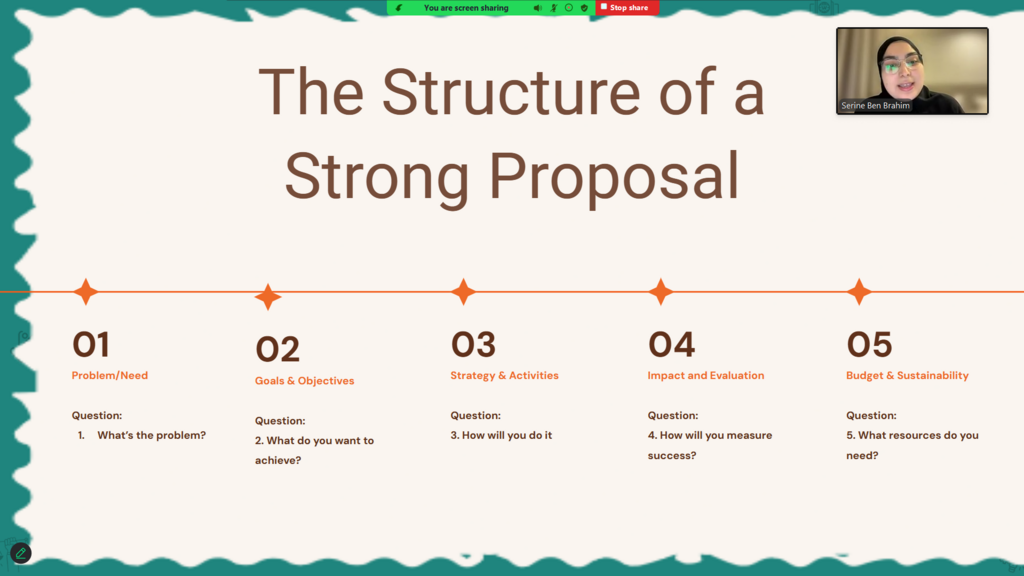
Here are the essential building blocks:
| Component | What It Is |
|---|---|
| Project Objectives | The 'why' behind the project. What problem is being solved or what goal is being achieved? |
| Deliverables | A specific list of what you will produce. This could be a website, a set of articles, or a completed app feature. |
| Timelines | Key dates and milestones. This includes the project start date, end date, and deadlines for major deliverables. |
| Responsibilities | Who is responsible for what. This clarifies your tasks versus the client's (e.g., who provides content or feedback). |
| Payment Terms | How and when you'll be paid. It should detail the total cost, payment schedule (e.g., 50% upfront), and payment methods. |
Each of these sections works together to create a complete picture of the project, leaving little room for interpretation.
Avoiding Scope Creep
One of the biggest challenges in freelancing is "scope creep." This is what happens when a project gradually expands beyond its original goals, often with small, seemingly harmless requests from the client. A quick addition here, a small tweak there—before you know it, you're doing twice the work for the same pay.
scope creep
noun
The tendency for a project's requirements to increase or change over time, moving beyond the originally agreed-upon scope.
This is where your SOW becomes your best defense. Because it defines the project's boundaries so clearly, any request that falls outside of them is easy to identify. It gives you a neutral, professional way to open a conversation about new requests. You can refer back to the SOW and say, "This is a great idea, but it's outside the scope we agreed on. I'd be happy to draft a new SOW or an addendum to cover this additional work."
An SOW helps in establishing clear boundaries and prevents scope creep.
By explicitly stating what’s included, you also clarify what’s excluded. This proactive approach manages expectations and keeps the project on track and on budget.
Using SOW Templates
You don’t have to create every SOW from scratch. Many templates are available that provide a structured format, ensuring you don't forget any critical information. Using a template saves time, promotes consistency across your projects, and helps you look more professional.
Think of a template as a checklist. It guides you through defining the objectives, listing deliverables, setting timelines, and outlining payment terms. You can find general templates online or create your own that’s tailored to the type of work you do. Over time, you can refine your personal template to make the process even more efficient.
The goal is to streamline the process so you can spend less time on administrative tasks and more time on the creative work your clients hired you for. A solid SOW is the first step.