Mastering Freediving
Introduction to Freediving
The Art of One Breath
Freediving is the simple, profound act of exploring underwater on a single breath of air. Long before scuba gear, people dove deep to gather food, harvest sponges, and find pearls. This ancient practice has evolved into a modern sport, a form of meditation, and a way to connect with the ocean in the purest sense. It's not about pushing limits recklessly; it's about understanding your body and mind to move gracefully and calmly in an alien world.
Disciplines of the Deep
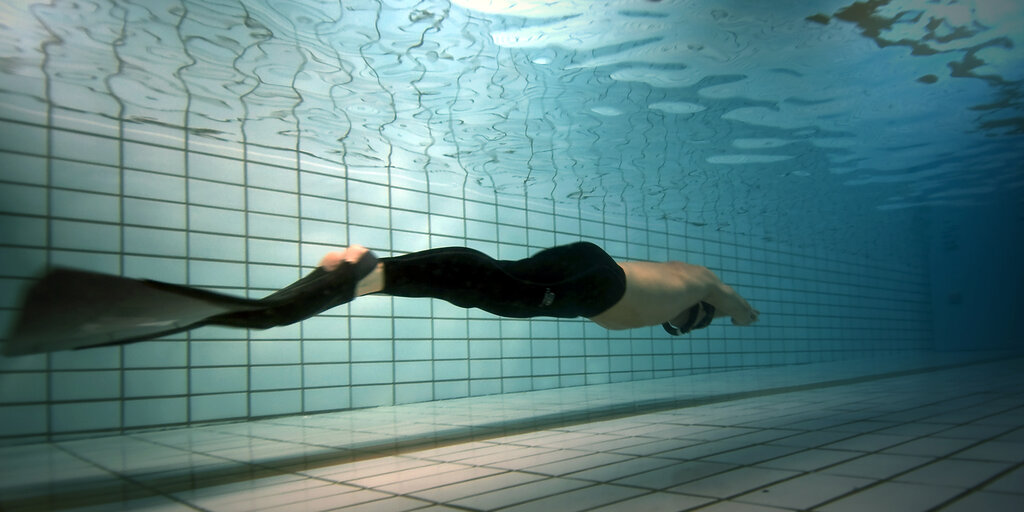
As a sport, freediving is broken into several disciplines, each testing a different aspect of a diver's ability. Some are about maximum time, others about maximum distance or depth. They can be practiced in a pool or in open water.
| Discipline | Description | Environment |
|---|---|---|
| Static Apnea (STA) | Holding your breath for as long as possible while floating face down. | Pool |
| Dynamic Apnea (DYN/DNF) | Swimming the maximum horizontal distance on one breath, with or without fins. | Pool |
| Free Immersion (FIM) | Descending and ascending by pulling on a rope, without fins. | Open Water |
| Constant Weight (CWT/CNF) | Descending and ascending under your own power, with or without fins. | Open Water |
Each discipline requires a unique blend of physical conditioning and mental control. Static apnea is a purely meditative challenge, while constant weight is a powerful athletic feat.
Physics and Physiology
To dive safely, you need to understand two forces of nature: pressure and buoyancy. As you descend, the weight of the water above you creates pressure. This pressure squeezes the air in your body—in your lungs, sinuses, and ears. According to Boyle's Law, as pressure increases, the volume of a gas decreases. This is why you must equalize the pressure in your ears as you go down.
Buoyancy is the upward force that water exerts on you. Near the surface, the air in your lungs makes you positively buoyant, meaning you float. As you descend and the air in your lungs compresses, you become less buoyant. At a certain depth, you'll become neutrally buoyant, hovering weightlessly. Go deeper, and you become negatively buoyant, starting to sink gently. Freedivers use this shift to conserve energy on their descent.
apnea
noun
The temporary cessation of breathing.
Your body has a built-in superpower for handling apnea underwater, called the Mammalian Dive Reflex. It's a set of automatic physiological responses that kicks in when your face is submerged in cool water.
First, your heart rate slows down significantly—a process called bradycardia. This conserves oxygen by reducing the speed at which it's pumped around the body. Second, peripheral vasoconstriction begins. Your body shifts blood flow from your extremities (arms and legs) to your core, ensuring your brain and vital organs get the oxygen they need. This reflex is why humans, like dolphins and seals, are surprisingly well-suited for diving.
The Mental Game
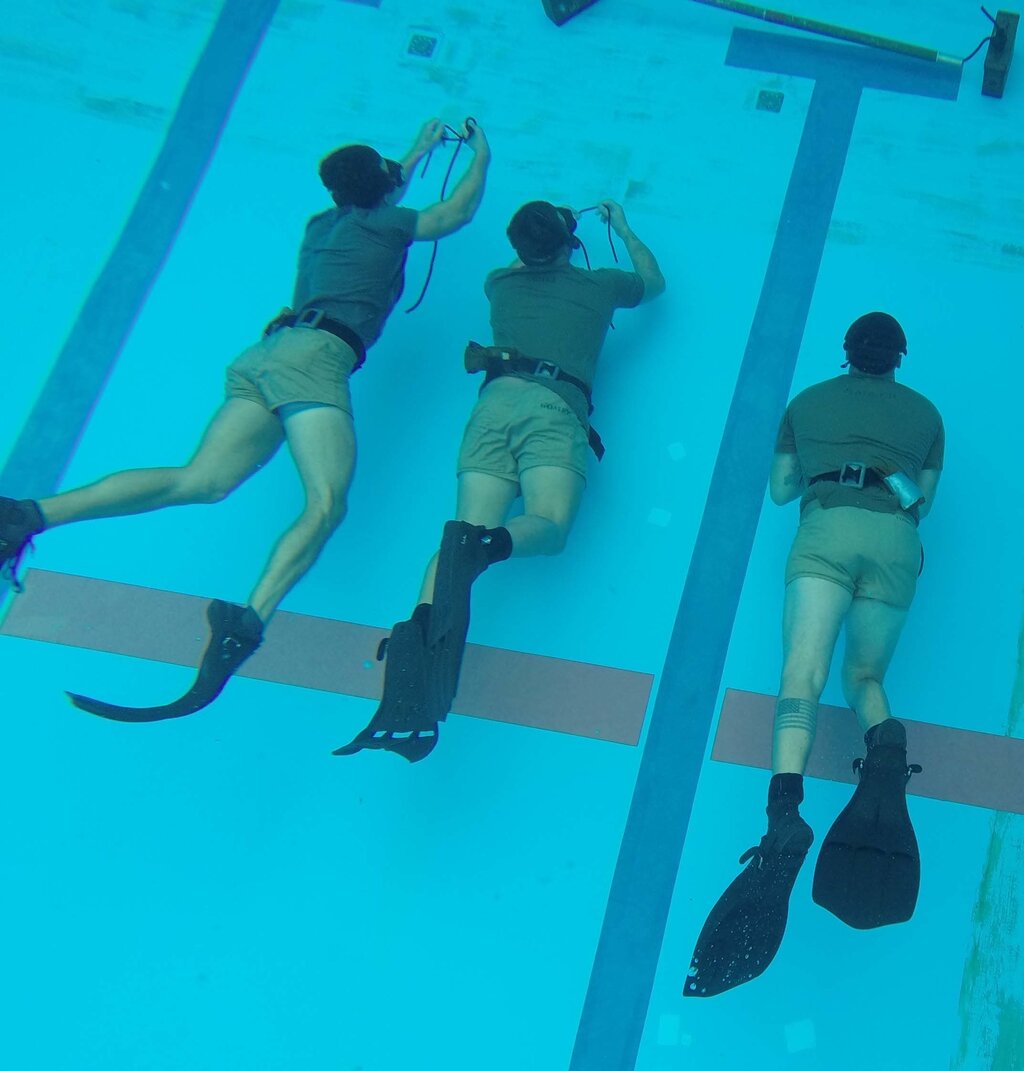
More than anything, freediving is a mental discipline. The most important skill is learning to relax completely. A calm mind uses far less oxygen than an anxious one. Panic, stress, and fear burn through your oxygen reserves and are the greatest dangers to a diver.
Before a dive, freedivers use breathing and meditation techniques to lower their heart rate and quiet their minds. They learn to ignore the urge to breathe, recognizing it not as a sign of running out of air, but as a manageable signal from the body. The goal is to be fully present and in control, letting go of all distractions.
Ready to test your knowledge?
According to Boyle's Law, what happens to the air in a freediver's lungs as they descend deeper into the water?
What is the primary mental skill a freediver must master to ensure a safe and efficient dive?
Understanding these principles is the first step toward exploring the underwater world safely and confidently on a single breath.