Mastering Free Diving Training
Introduction to Freediving
What is Freediving?
Freediving is the art of exploring the underwater world on a single breath of air. Unlike scuba diving, there are no tanks. It’s just you, your lungs, and the water. This practice is as old as humanity's relationship with the sea, starting with coastal communities diving for food, pearls, and sponges thousands of years ago. These early divers were the pioneers, relying on their natural abilities to sustain themselves.
Over the last century, freediving has transformed from a means of survival into a competitive sport and a recreational activity. It pushes the boundaries of human potential while offering a uniquely peaceful way to connect with the ocean. At its core, it's about control, relaxation, and understanding your body's incredible capabilities.
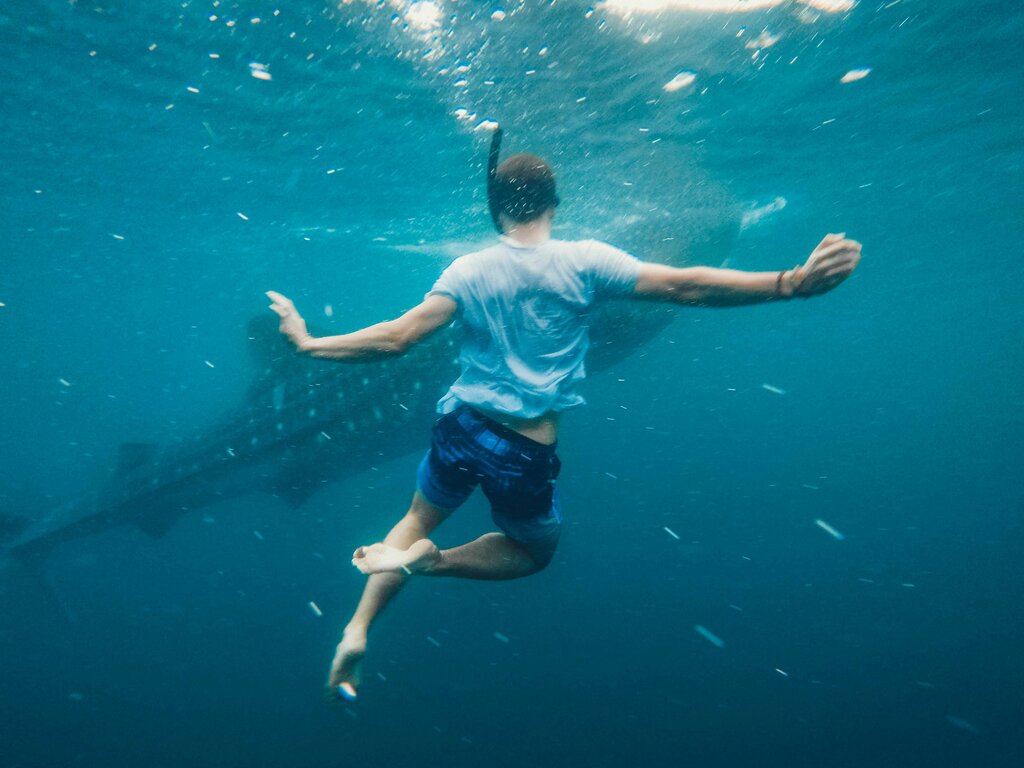
The Disciplines
Freediving isn't just one activity. It's a collection of disciplines, each with its own challenges and techniques, practiced in both pools and open water. Some focus on holding your breath for as long as possible, while others are about diving as deep as you can.
| Discipline | Description | Environment |
|---|---|---|
| Static Apnea (STA) | Holding your breath for as long as possible while floating face down. | Pool |
| Dynamic Apnea (DYN/DYNB/DNF) | Swimming the maximum horizontal distance on one breath, with or without fins. | Pool |
| Constant Weight (CWT/CWTB/CNF) | Diving as deep as possible and returning under your own power, with or without fins. | Open Water |
| Free Immersion (FIM) | Pulling yourself down and up a rope to achieve maximum depth. | Open Water |
| Variable Weight (VWT) | Using a weighted sled to descend and then swimming back to the surface. | Open Water |
| No-Limits (NLT) | The most extreme discipline, using a sled to descend and a lift bag to ascend. | Open Water |
Your Body's Diving Reflex
How can humans hold their breath for so long and dive so deep? The answer lies in a set of amazing physiological responses called the Mammalian Dive Reflex. This reflex is something we share with marine mammals like seals and dolphins. It triggers automatically when your face is submerged in cool water and you hold your breath, preparing your body to conserve oxygen.
The reflex has three main effects:
1. Bradycardia: Your heart rate slows down significantly, sometimes by up to 50%. A slower heart pumps less frequently, which means your body uses less oxygen.
2. Peripheral Vasoconstriction: Blood flow is directed away from your extremities (arms and legs) and toward your vital organs, like the heart and brain. This ensures your most critical functions get the oxygen they need.
3. Blood Shift: As you dive deeper and the pressure increases, blood plasma fills the blood vessels in your chest cavity. This prevents your lungs and ribcage from collapsing under the immense pressure of the deep water. It's like an internal airbag system.
The blood shift is a remarkable adaptation that protects the body at depths that would otherwise be fatal. It allows the air spaces in the chest to handle compression without injury.
Understanding these natural reflexes is the first step to trusting your body underwater. They are the physiological foundation upon which all freediving techniques are built.
Make sure that when you get into the water, each dive feels like the first easy breath hold.
With this foundational knowledge of freediving's history, disciplines, and the body's incredible adaptations, you're ready to test what you've learned.
What is the fundamental principle of freediving?
The practice of freediving originated as a competitive sport.
Freediving is a journey of self-discovery, pushing both mental and physical limits in the serene quiet of the underwater world.