Mastering Fraction Multiplication
Understanding Fractions
What is a Fraction?
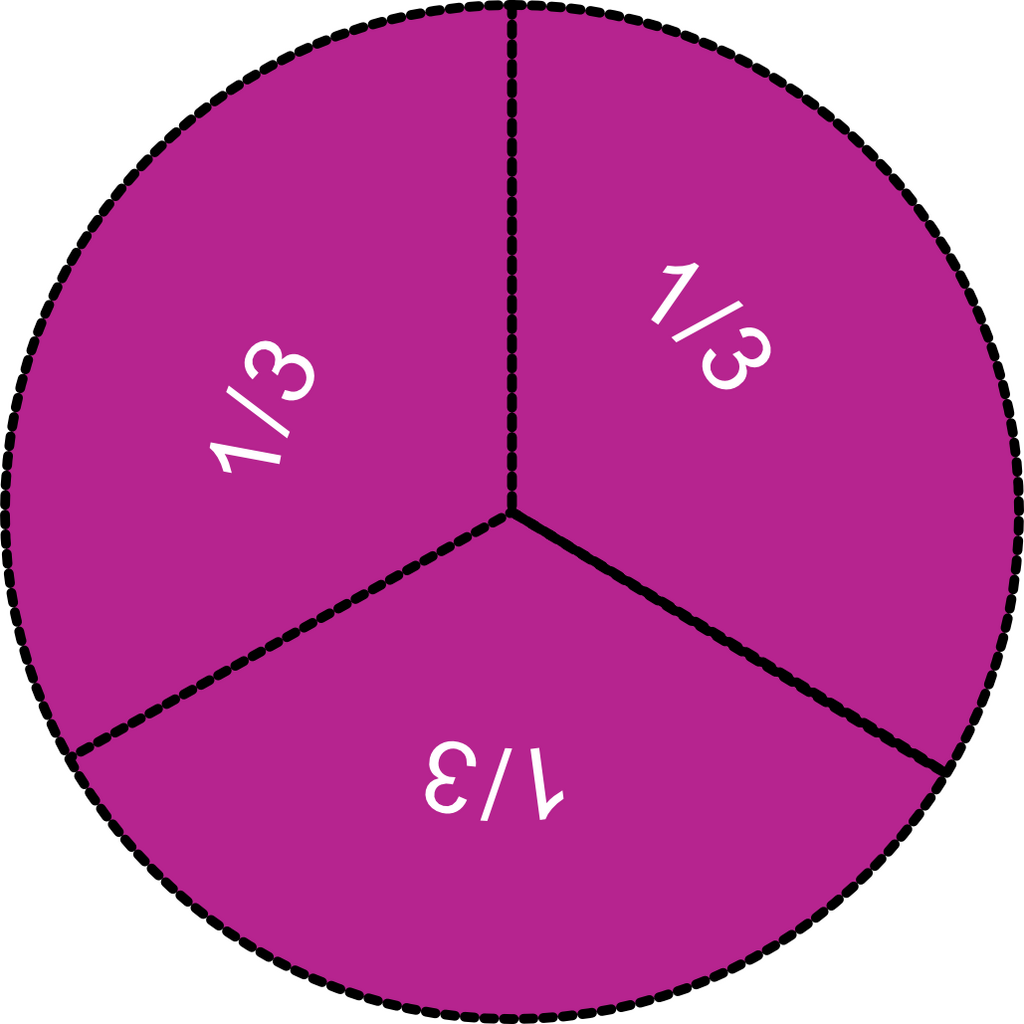
Fractions are a way to talk about parts of a whole. Imagine you have a pizza cut into eight equal slices. If you eat one slice, you've eaten a fraction of the pizza. You haven't eaten the whole thing, just a piece of it.
In mathematics, we write that one slice out of eight as . This simple notation tells us exactly how much of the whole we're dealing with. It's a concept we use every day, from splitting a bill with friends to measuring ingredients for a recipe.
The Parts of a Fraction
Every fraction has two key parts, a top number and a bottom number, separated by a line.
Let's go back to our pizza. The fraction was .
The numerator is 1, because you have one slice. The denominator is 8, because the pizza was cut into eight total slices.
A simple way to remember: Denominator is down at the bottom, and it tells you how the whole is divided.
Types of Fractions
Fractions come in a few different flavors. Knowing the type helps you understand what the fraction represents.
Proper Fraction
other
A fraction where the numerator is smaller than the denominator. It always represents a quantity less than one whole.
Think of a chocolate bar with four squares. If you eat three of them, you've eaten of the bar. That's a proper fraction because you ate less than the whole bar.
Improper Fraction
other
A fraction where the numerator is greater than or equal to the denominator. It represents a quantity equal to or greater than one whole.
Improper fractions might seem strange, but they're useful. Imagine you have two pies, each cut into four slices. If you and your friends eat five slices in total, you've eaten pies. You ate one whole pie ( rac{4}{4}) and one slice from the second pie ( rac{1}{4}).
This leads us to our last type, which is just another way of looking at improper fractions.
Mixed Number
other
A number consisting of a whole number and a proper fraction.
The improper fraction is the same thing as the mixed number . They represent the exact same amount. One describes it with only fractions, and the other uses a mix of whole numbers and fractions.
| Type | Condition | Example |
|---|---|---|
| Proper Fraction | Numerator < Denominator | |
| Improper Fraction | Numerator ≥ Denominator | |
| Mixed Number | Whole number + Proper fraction |
Let's review these core concepts before moving on.
Understanding these basic building blocks is the first step. Once you're comfortable with what fractions are and the different forms they can take, you'll be ready to see what you can do with them.