Mastering Four-Tiered Cakes
Baking Basics
The Science of a Perfect Bake
Baking isn't just about following a recipe. It's about chemistry. When you mix ingredients and add heat, you're setting off a series of chemical reactions. Understanding why these reactions happen is the key to fixing problems and getting consistent, delicious results every time.
Think of baking as a science.
Each ingredient has a specific job. If you change one, it affects all the others. Getting the balance right creates the texture, flavor, and appearance you want, whether it's a light, airy sponge cake or a chewy brownie.
Your Core Ingredients
Most baking recipes are built on a handful of key ingredients. Let's look at what each one does.
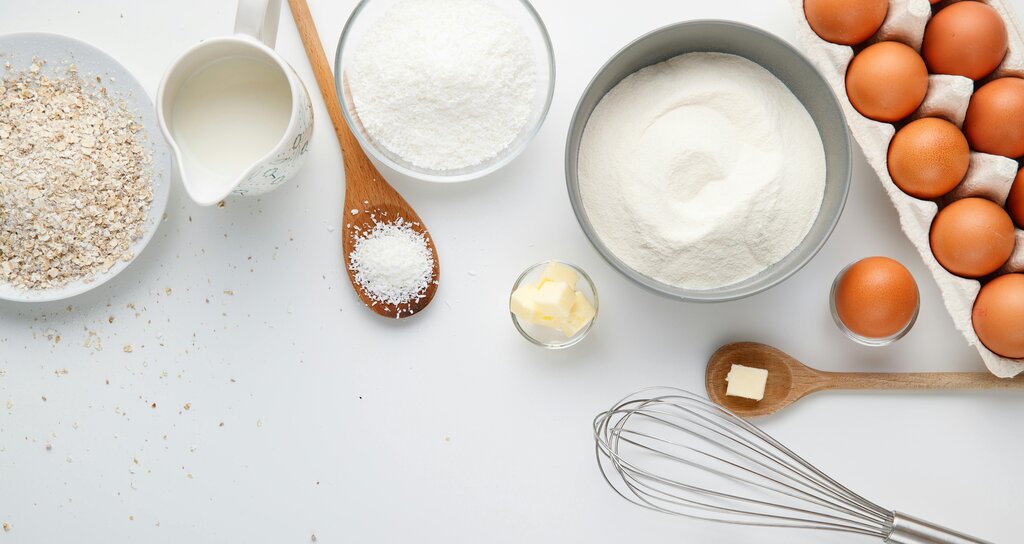
Flour is the foundation. It provides the structure for your baked goods. When mixed with liquid, proteins in the flour called glutenin and gliadin combine to form gluten. Kneading or mixing develops these gluten strands, creating an elastic network that traps air and gives bread and cakes their chewy texture.
Gluten
noun
A protein composite found in wheat and related grains, including barley and rye. It gives elasticity to dough, helping it rise and keep its shape.
Sugar does more than just add sweetness. It helps keep baked goods moist and tender by absorbing water, which slows down gluten development. It also helps with browning through a process called caramelization, giving cakes and cookies a golden-brown crust.
Fats, like butter and oil, are essential for creating tenderness. Fat coats the flour particles, preventing them from absorbing too much water and limiting gluten development. This results in a softer, more delicate crumb. Butter also adds a rich flavor that oil can't match.
Eggs are multi-taskers. They bind ingredients together, add flavor and color, and help with leavening. When you whisk eggs, you're incorporating air, which expands in the oven and helps your cake rise. The fat in the yolk adds richness and tenderness.
Leavening agents create the air bubbles that make baked goods light and airy. There are two main types: chemical leaveners (baking soda and baking powder) and biological leaveners (yeast). For cakes, we'll focus on the chemical ones. They react with moisture and acid to produce carbon dioxide gas, causing the batter to rise.
| Leavener | How it Works | When to Use |
|---|---|---|
| Baking Soda | A base that needs an acid (like buttermilk, lemon juice, or yogurt) to react and create CO₂. | In recipes that contain an acidic ingredient. |
| Baking Powder | A mix of baking soda, an acid, and cornstarch. It reacts with just liquid and heat. | In recipes without a significant acid. |
Mixing It All Together
How you combine your ingredients is just as important as what's in the bowl. Different mixing methods create different textures.
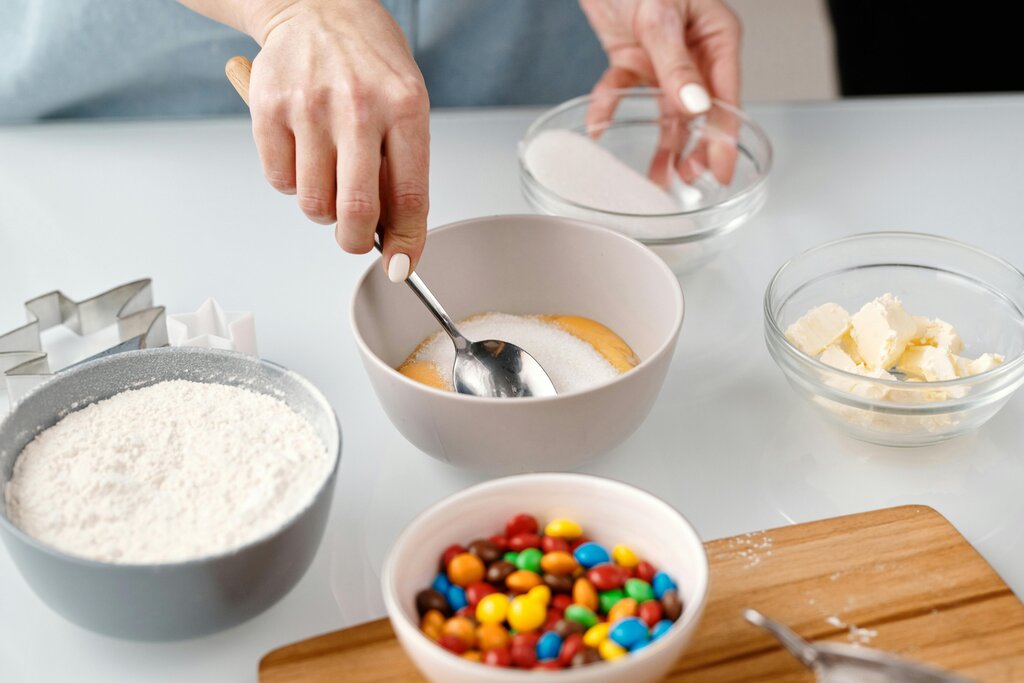
The Creaming Method is common for cakes and cookies. You start by beating softened fat (usually butter) and sugar together until the mixture is light and fluffy. This process incorporates tiny air pockets that will expand in the oven, creating a fine, tender crumb.
The Muffin Method is simpler. You mix all the dry ingredients in one bowl and all the wet ingredients in another. Then, you pour the wet into the dry and mix just until combined. It's fast and easy, producing a tender, slightly coarser texture perfect for muffins and quick breads.
Be careful not to overmix when using the muffin method. A few lumps in the batter are okay. Overmixing develops too much gluten, which can make your final product tough.
Heat and Time
Baking is all about heat management. The temperature of your oven and the time your creation spends inside it are critical. Preheating the oven is non-negotiable. Placing batter into a cold oven will ruin the texture, as the leavening agents won't activate properly.
Most cakes bake at a moderate temperature, around 350°F (175°C). This allows the cake to cook through evenly without the outside burning before the inside is done. Always use a timer, but also learn to rely on your senses. A cake is typically done when a wooden skewer inserted into the center comes out clean, and the top springs back when lightly pressed.
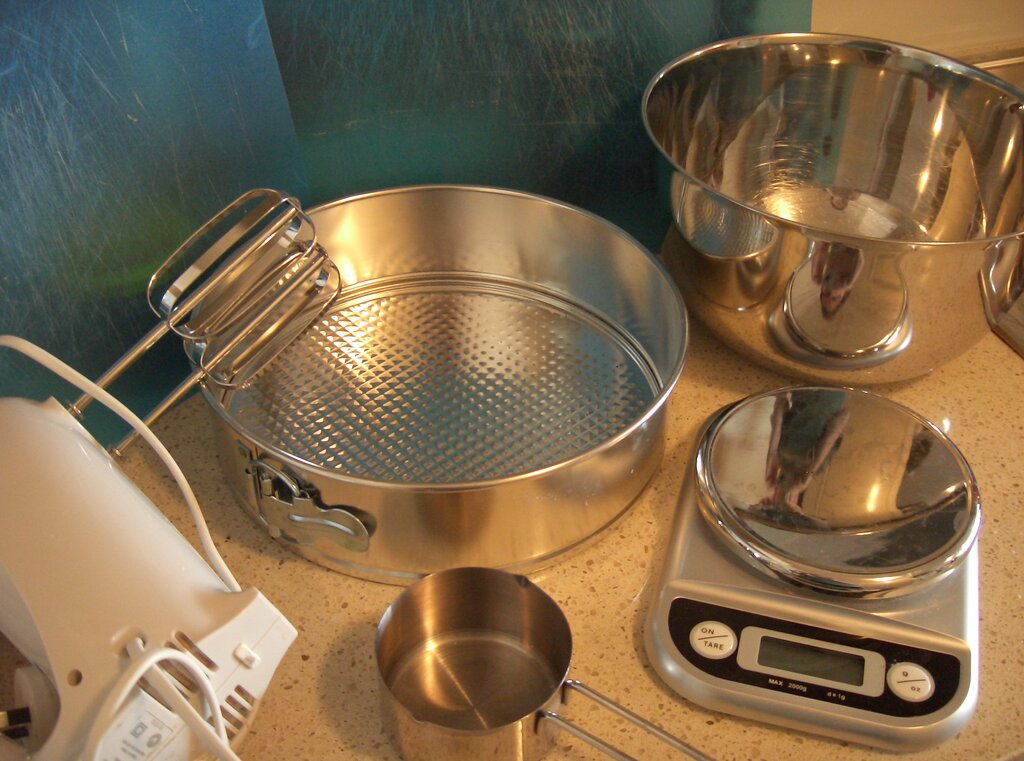
Finally, having the right tools makes a world of difference. A digital kitchen scale for accurate measurements, a set of measuring cups and spoons, mixing bowls, a whisk, a spatula, and of course, your cake pans, are the basics you'll need to get started.
Now, let's test what you've learned about these baking fundamentals.
What is the primary function of flour in most baked goods?
The creaming method, which involves beating butter and sugar together, is primarily designed to achieve what result?
With these foundations in place, you're ready to tackle more complex baking challenges.