Mastering Form and Technique in Drawing
Dynamic Line Quality
The Life in a Line
A line is more than just an outline. In the hands of a skilled artist, a single stroke can describe weight, texture, and the play of light across a surface. The secret is moving beyond the idea of a uniform contour and embracing dynamic, expressive line work. This starts with controlling the pressure you apply to your drawing tool.
By varying the pressure, you change the line's weight—its thickness and darkness. A heavier, darker line feels grounded and substantial. It pulls forward, suggesting it's closer to the viewer. A light, thin line recedes, appearing further away or touched by a bright light. This variation is what begins to transform a flat shape into a believable three-dimensional form.
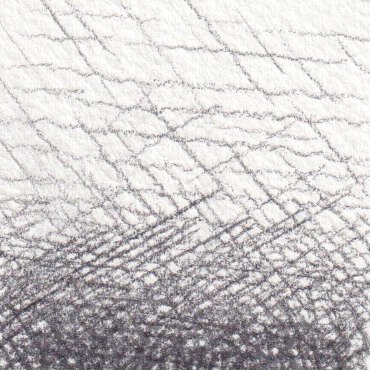
Think of it this way: heavier lines for shadows and weight, lighter lines for highlights and delicacy.
Finding the Form
Before you can draw a definitive outline, you need to understand the object's structure. This is where come in. These are not the final, clean edges of your drawing. Instead, they are a series of light, exploratory marks you use to feel out the form on the page. They overlap and wrap around the object's implied volume, helping you discover its planes and curves before committing to a final contour.
Searching lines build the scaffolding. Once you have a confident sense of the structure, you can lay down a more deliberate, weighted contour line. This final line isn't uniform; it gets thicker where the object turns away from the light or is closer to the viewer, and thinner where light hits it directly.
Line as Light and Shadow
You can imply a full range of light and shadow using line alone, without any shading. The key is understanding how to use different types of strokes. A tapered line, which starts thick and ends in a fine point (or vice versa), is perfect for showing where a form curves gently into the light. You create it by pressing down and then lifting the pencil in a single, fluid motion.
In contrast, a blunt or uniform stroke has a consistent weight from start to finish. This type of line is good for defining hard edges or areas of deep shadow where the light doesn't change abruptly. The thickest, darkest lines are often reserved for —the small, dark area where an object makes direct contact with a surface. This single, heavy line can anchor an entire object, giving it a powerful sense of weight.
If your lines show through in your final drawing, their direction can help to show changes in the planes of the object you are drawing.
Practice combining these ideas. Draw a simple object, like a ball or a cup. Use searching lines to find its form. Then, using a single contour, make your line thick and heavy on the underside, and thin and light on the top where your imaginary light source is hitting it. This exercise trains your hand and eye to see line not as an outline, but as a tool for describing form.
What is the primary purpose of using "searching lines" in a drawing?
To make part of an object look like it is receding or further away from the viewer, an artist should use a...