Mastering Foresight Methodology
Introduction to Foresight
What is Foresight?
Foresight is a structured way of thinking about the future. It isn't about predicting what will happen. Instead, it’s about exploring what could happen to make better decisions in the present. Think of it as creating a map of possible futures, complete with different roads, obstacles, and destinations.
This map doesn't show you the one correct path. It helps you understand the landscape of possibilities so you can navigate whatever comes your way, whether it's an unexpected storm or a surprising shortcut. The goal is to build resilience and adaptability, not to get a single forecast right.
By considering a range of plausible futures, we can identify potential opportunities and threats before they arrive. This allows us to shape a more desirable future, rather than just reacting to it.
How It Differs From Planning
Traditional planning often assumes the future will be a straightforward extension of the past. It sets a specific goal and charts a linear path to get there. This works well when things are stable and predictable.
Foresight, however, operates on the assumption that the future is uncertain and full of surprises. It challenges us to think beyond our current assumptions and prepare for multiple outcomes. It's less about creating a fixed plan and more about developing a strategic awareness that allows for flexibility.
| Feature | Traditional Planning | Foresight |
|---|---|---|
| Future View | Assumes a single, predictable future | Explores multiple plausible futures |
| Core Question | What will we do? | What might happen, and how should we prepare? |
| Focus | Efficiency and optimization for one goal | Resilience and adaptability for many scenarios |
| Attitude to Uncertainty | Aims to reduce or eliminate it | Embraces it as a source of insight |
While a traditional plan might be like following a recipe step-by-step, foresight is like learning the principles of cooking. With a recipe, you can make one specific dish. With cooking principles, you can adapt to whatever ingredients you have on hand and create something great.
A Brief History
The formal practice of thinking about the future has its roots in the mid-20th century. After World War II, military strategists at places like the RAND Corporation began developing methods to think systematically about long-term threats and technological shifts. They needed ways to plan for scenarios that had never happened before.
In the 1960s and 70s, these ideas moved into the corporate world. The oil company Shell famously used scenario planning to anticipate and navigate the oil crises of the 1970s, a move that set it apart from its competitors. Since then, governments, non-profits, and all kinds of organizations have adopted foresight to tackle complex challenges, from climate change and technological disruption to public health and urban development.
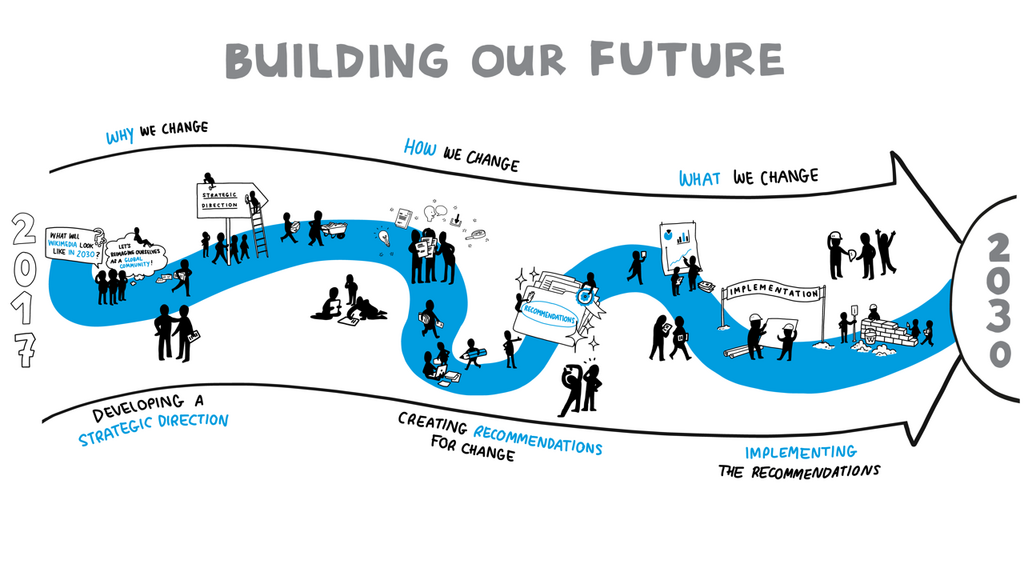
Today, foresight isn't just for large institutions. It's a valuable skill for any team or leader wanting to be more proactive and less reactive in a rapidly changing world.
By integrating these Futures Thinking principles and practices into our strategic planning processes, we can get better at anticipating disruptive change, spotting untapped opportunities, and developing more creative and robust strategies.
Time to check your understanding of these core concepts.
What is the primary goal of foresight?
How does foresight fundamentally differ from traditional planning?
Understanding these foundations is the first step. By separating foresight from simple prediction, we can begin to use it as a powerful tool for navigating complexity.