Mastering Football Predictions
Introduction to Football Prediction
Predicting the Beautiful Game
Can you really predict the outcome of a football match? While no one has a crystal ball, we can get surprisingly close by looking at data. This is the core idea behind predictive analytics in sports. Instead of relying on gut feelings, we use historical information to forecast what's likely to happen next.
Think of it like being a detective. A detective gathers clues from the past to solve a mystery in the present. In football prediction, the clues are statistics, and the mystery is the final score. By analyzing patterns in team performance, player stats, and even game conditions, we can make an educated guess about the future.
Predictive analytics uses complex algorithms to predict future patterns and behaviors, beyond typical reliance on past data.
Numbers Don't Lie
Statistics are the foundation of modern football analysis. Every action on the pitch can be turned into a data point: goals scored, shots on target, passes completed, corners won, and fouls committed. These numbers tell a story about a team's strengths and weaknesses.
A team that consistently has high possession and many shots on goal is likely strong offensively. A team with a high number of successful tackles and few goals conceded probably has a solid defense. By comparing these stats between two competing teams, we start to see how a match might unfold.
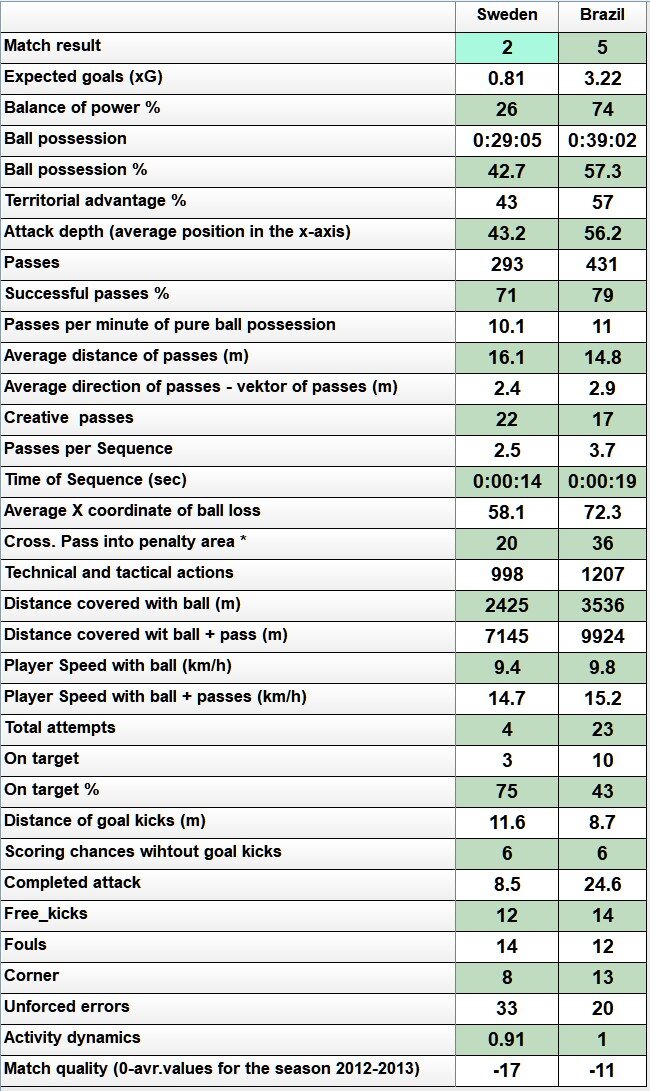
Looking at this data helps us move beyond simple win/loss records. A team might have lost their last game, but if they dominated possession and had 15 shots on target, they might just have been unlucky. The underlying stats suggest they are playing well and could be a good bet for their next match. This is pattern recognition in action: finding the trends hidden within the numbers.
The Influential Factors
Of course, it's not just about the numbers from past games. Many different factors can influence the outcome of a match. A good prediction model needs to account for as many of these as possible.
These variables can be grouped into a few key categories. There's the team's current form, the status of key players, and even external conditions that can tip the scales.
| Category | Influential Factors |
|---|---|
| Team Performance | Recent form (last 5 games), head-to-head record, offensive and defensive stats. |
| Player Status | Key player injuries, suspensions, player form (e.g., a striker on a scoring streak). |
| Game Conditions | Home vs. Away advantage, weather conditions, importance of the match (e.g., a final vs. a friendly). |
The home advantage is a classic example. Teams often perform better in their own stadium, supported by their own fans and comfortable in familiar surroundings. This is a consistent pattern that has a real statistical impact on match results.
How Predictions Are Made
So, how do analysts combine all this information to make a prediction? There are several common methods, but they all share the same goal: to turn data into a probability.
One popular approach is using a ranking system, like the Elo rating system originally developed for chess. In these systems, teams gain or lose points based on their match results. The opponent's strength matters; beating a top-ranked team earns you more points than beating a team at the bottom of the table. A team's rank gives a quick snapshot of their overall strength.
Another method involves statistical models. These are mathematical recipes that take various data points (like those in the table above) as ingredients. The model then calculates the probability of each possible outcome: a home win, an away win, or a draw.
These foundational methods set the stage for understanding sports analytics. By systematically analyzing past performance and relevant factors, we can approach football prediction with logic and evidence rather than just hope.
What is the primary goal of using predictive analytics in football?
A team loses a match 1-0, but statistics show they had 70% ball possession and 15 shots on target. How would a data analyst likely interpret this?