Mastering Foley for Media Creators
Foley Artistry Fundamentals
The Art of Everyday Noise
Every sound you hear in a movie or TV show, from the rustle of a character's jacket to the clink of a coffee cup, has been carefully crafted. Many of these sounds aren't captured during filming. They're added later in a process called Foley. Named after its pioneer, Jack Foley, this art form is all about recreating everyday sounds in a recording studio to make the world on screen feel real.
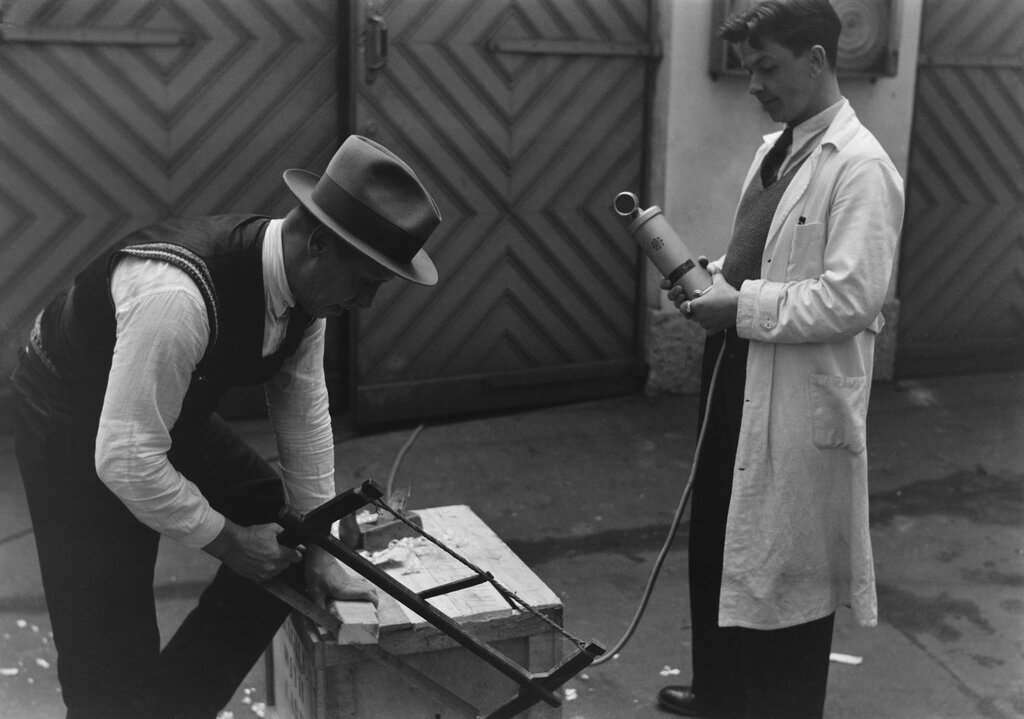
Think of it as live sound effects performance. A Foley artist watches a scene on a screen and performs the sounds in sync with the action. This adds a layer of sonic detail that makes the environment believable and immersive.
Deconstructing a Scene
The first step for a Foley artist is to analyze the visual content. They watch a scene repeatedly, not for the plot, but for the sound cues. They create a detailed list of every sound that needs to be created. This process is called “spotting.” They ask questions like: What kind of shoes is the character wearing? What surface are they walking on? What material is their coat made of?
A character walks across a gravel driveway, opens a wooden door, and sets a heavy bag on a table. Each action requires a unique sound.
Once the sounds are identified, the artist gathers their tools. This isn't a high-tech arsenal, but a collection of props and surfaces. A Foley studio is often filled with seemingly random objects: different types of shoes, various fabrics, old doors, and an assortment of junk. The goal is to find the perfect object to replicate a sound. The crunch of walking on snow might be a cornstarch-filled leather pouch, and a cracking bone might be a stalk of celery.
Performing the Sounds
With props ready, the performance begins. The artist watches the scene and mimics the character's actions in real-time. This requires incredible timing and physical coordination. The work is typically broken down into three main categories.
| Category | Description | Examples |
|---|---|---|
| Footsteps | The sound of characters walking. This is a Foley artist's most common task. | High heels on marble, sneakers on wet pavement, boots in mud. |
| Cloth | The sound of fabric moving as characters move. | The swoosh of a silk dress, the rustle of a leather jacket, the flap of a flag. |
| Props | The sounds of objects being touched, used, or moved. | Jingling keys, a sword being unsheathed, a glass being placed on a table. |
Each category demands its own set of skills. For footsteps, the artist needs to match the character's weight, pace, and mood just through the sound of their feet. Prop handling is about making the interaction with objects sound authentic.
Capturing the Performance
Creating the perfect sound is only half the battle; it also has to be recorded perfectly. This is where technical skill comes in. Foley artists work in specially designed rooms called Foley stages. These rooms are acoustically treated to be extremely quiet and free of echoes, ensuring a clean recording.
Microphone selection and placement are crucial. A sensitive condenser microphone might be used to capture the subtle rustle of cloth, while a more durable dynamic microphone might be better for louder, sharper sounds. The distance of the mic from the sound source also shapes the recording. Placing a mic close creates an intimate, detailed sound, while moving it farther away can simulate distance and a sense of space.
In some cases, elements of the original on-set recording, such as background noise or faint traces of the original dialogue, are layered with the ADR to create a more natural and cohesive sound.
After recording, the sounds move to post-production. An editor will clean up the tracks, making tiny adjustments to timing to ensure perfect synchronization with the visuals. They might also layer multiple sounds to create a richer, more complex effect. For example, the sound of a punch might be a combination of a whoosh, a leather glove hitting meat, and a celery snap.
Ultimately, the goal of Foley is to have a psychological impact. Good Foley is invisible. The audience shouldn't notice the sounds; they should simply feel them. These sounds ground the story in reality, making the world on screen feel tangible and drawing the viewer deeper into the experience.
Ready to test your knowledge?
What is the primary purpose of Foley in filmmaking?
What is the name of the process where a Foley artist watches a scene to identify and list all the sounds that need to be created?
By mastering these fundamentals, Foley artists become the unseen performers who bring a film's sonic world to life, one footstep and cloth rustle at a time.