Mastering Flight Deals
Understanding Airfare Pricing
The Price of a Seat
An airline ticket isn’t like a gallon of milk. Its price is constantly changing, sometimes even minute by minute. The cost of the exact same seat on the exact same flight can vary wildly depending on when you look and who's looking. This isn't random; it's a strategy called dynamic pricing.
At its heart, airfare pricing is a classic case of supply and demand. Airlines have a fixed number of seats on any given flight (the supply). Their goal is to sell as many of those seats as possible for the highest price the market will bear (the demand). If a flight to Honolulu in December is filling up fast, prices will climb. If a flight to Cleveland on a Tuesday in February has lots of empty seats, the airline will likely lower prices to attract more buyers.
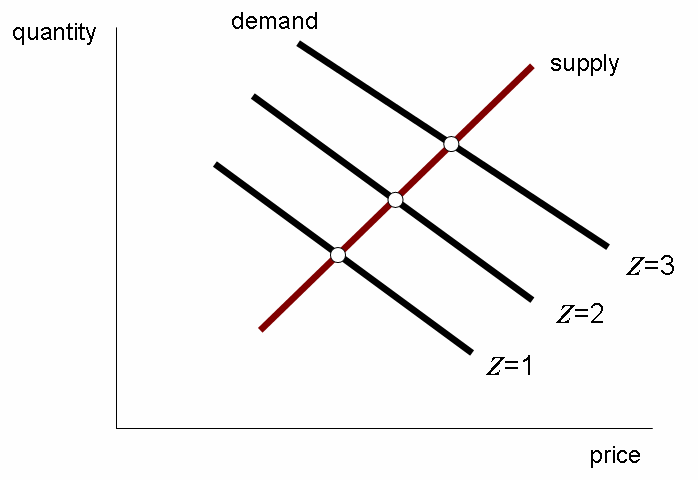
Other factors play a big role too. Oil prices affect fuel costs, competition on a route can drive prices down, and major events like festivals or conferences can cause a temporary price surge. Understanding these forces is the first step to figuring out why that ticket costs what it does.
Timing Is Everything
When you fly is one of the biggest factors in what you'll pay. Airlines divide the year into different travel seasons.
Peak Season: This is when everyone wants to travel—think summer vacation, major holidays like Christmas, or Spring Break. Demand is high, and so are the prices. Off-Season: The opposite of peak season. Fewer people are traveling, so airlines lower prices to fill seats. A trip to Europe is much cheaper in November than in July. Shoulder Season: The sweet spot between peak and off-season (like spring and fall). The weather is often still great, but the crowds are smaller and fares are more reasonable.
The day of the week you fly matters, too. Business travelers often fly on Mondays and Fridays, making those days more expensive. Tourists might prefer a weekend departure. Mid-week flights, on Tuesdays and Wednesdays, tend to have lower demand and are often the cheapest days to fly.
Decoding Your Ticket
Have you ever noticed the single letter on your boarding pass, like Y, K, or L? That's your fare class. It might seem like everyone in the economy cabin paid the same price, but that’s rarely true. Airlines divide each cabin into different price points, often called fare buckets.
Imagine an economy cabin with 100 seats. The airline might offer 10 seats at a super-low price, 20 at a slightly higher price, and so on. The cheapest seats usually sell first. Once they're gone, you're bumped into the next, more expensive bucket. All these seats are physically identical, but they have different rules and prices.
| Fare Class (Example) | Common Price Level | Flexibility & Rules |
|---|---|---|
| Y | Full Fare Economy | Highest price, fully refundable, no restrictions |
| M, B, H | Mid-Range Economy | Moderate price, some flexibility, may have fees for changes |
| K, Q, V | Discounted Economy | Lower price, more restrictive |
| L, T, X | Deeply Discounted | Lowest price, non-refundable, significant change fees |
These fare classes are also tied to restrictions. The cheapest ticket almost always comes with the most rules. You might be required to buy it 21 days in advance, stay over a Saturday night, or pay a hefty fee if you need to change your plans. A full-fare ticket, while expensive, might let you change your flight for free. You're paying a premium for that flexibility.
Pricing flight legs separately allows you to mix and match carriers to find the best combination of both price and schedule for your needs.
So, when you see a price, you're not just seeing the cost of a seat. You're seeing a price shaped by demand, timing, and a complex set of rules designed to maximize how much an airline can earn from that single flight.
Now let's check your understanding of these core concepts.
What is the primary reason the price for the same seat on the same flight can change frequently?
A flight to Cleveland on a Tuesday in February has many empty seats. What is the most likely effect on the ticket price?