Mastering First Principles Thinking
Introduction to First Principles Thinking
Thinking from the Ground Up
Most of the time, we solve problems by looking at how similar problems were solved before. We copy, we iterate, and we make small improvements. This is called reasoning by analogy, and it's efficient for everyday life. But for truly new ideas, there's another way: first principles thinking.
First principles thinking is the practice of breaking down complex problems into their most basic, fundamental truths and then building up a solution from there.
Instead of starting with the current solution and working backward, you start with a blank slate and ask: What am I absolutely sure is true? By identifying these core truths, or first principles, you can build a new solution from a much stronger and more flexible foundation.
First Principle
noun
A foundational proposition or assumption that stands alone and cannot be deduced from any other proposition or assumption.
Two Paths to a Solution
Reasoning by analogy is like using a map someone else drew. You follow the established roads to get to your destination. It's fast and reliable if the destination is common and the roads are good. But what if you want to go somewhere new? The map won't help.
First principles thinking is like being a surveyor. You ignore the existing map and study the terrain itself—the mountains, rivers, and valleys. From these fundamental elements, you draw a new, more direct map to your destination, even if it means building a bridge or tunneling through a mountain.
While analogy is useful for speed and efficiency, first principles thinking is essential for innovation.
Ancient Roots, Modern Impact
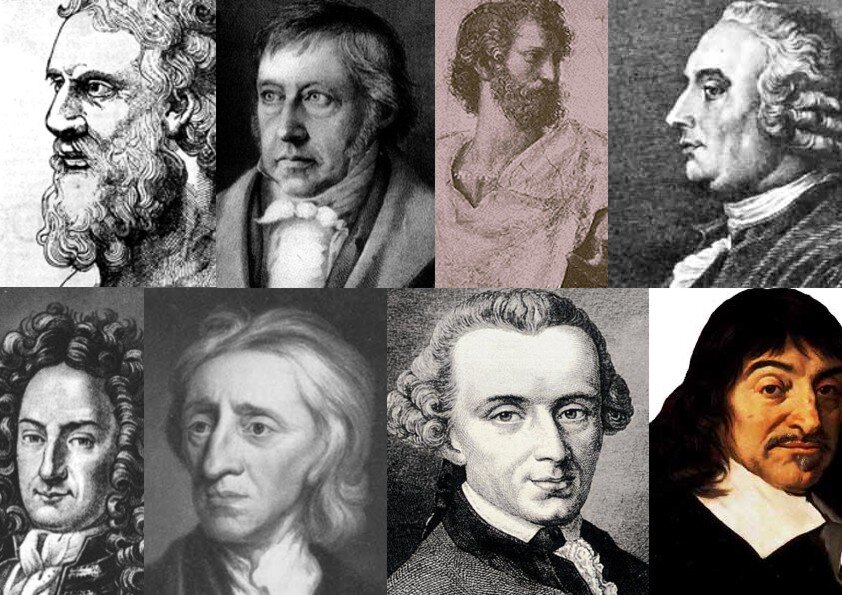
The idea isn't new. The ancient Greek philosopher Aristotle, who lived over 2,000 years ago, defined a first principle as “the first basis from which a thing is known.” He believed that true knowledge comes from understanding these fundamental truths, not just observing the outcomes.
In modern times, innovators like Elon Musk have championed this approach. When he decided to build rockets, he didn't just look at the price of existing ones. Instead, he asked: What are rockets made of? He broke them down to their material components—aluminum alloys, titanium, copper, carbon fiber—and calculated the cost of those raw materials. He discovered the cost of the raw materials was only about 2% of a typical rocket's price.
This insight, born from first principles, revealed that the high cost wasn't in the materials but in the manufacturing processes and conventions. By rethinking the process from the ground up, his company SpaceX was able to dramatically lower the cost of space travel.
By questioning every assumption, you open the door to solutions that others, reasoning by analogy, would never see.
This way of thinking forces you to move beyond "the way things have always been done" and build a new path based on what is fundamentally true. It's a powerful tool for solving big, complex problems in any field.