Mastering Financial Leverage
Introduction to Leverage
What Is Leverage?
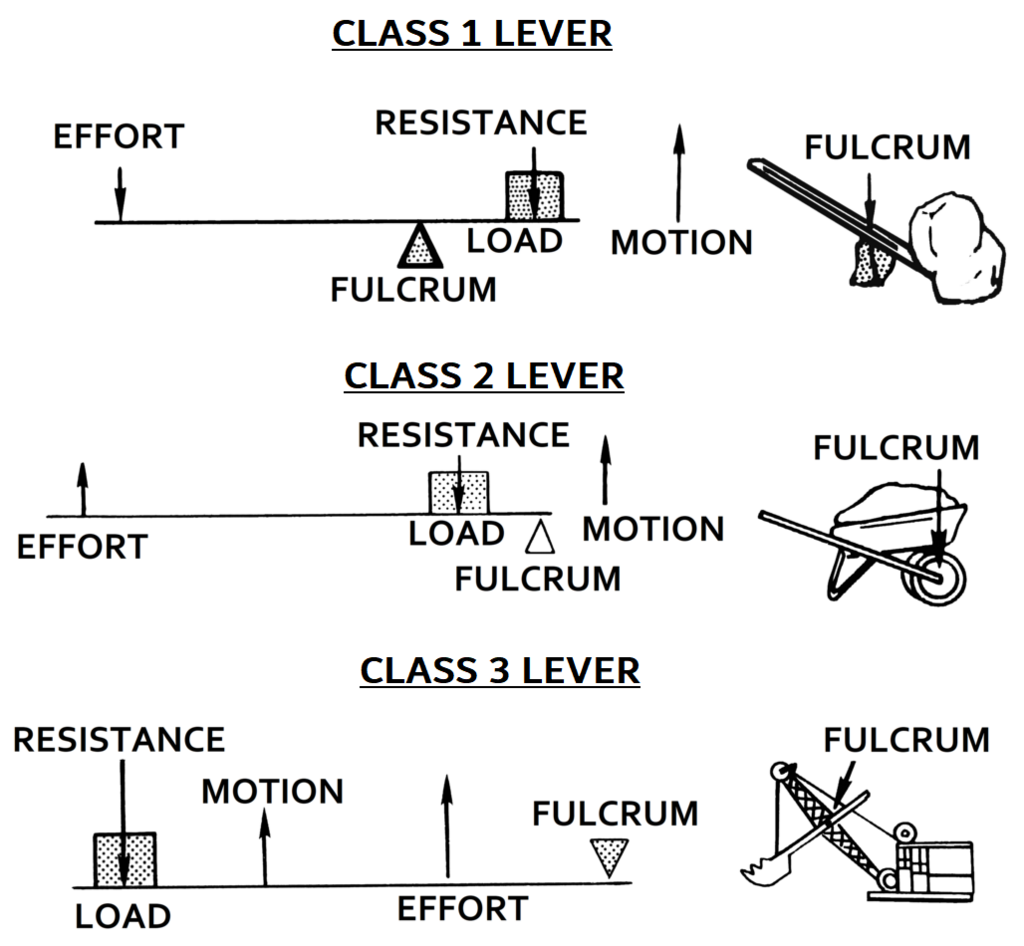
Think about using a crowbar to lift a heavy rock. A small push on your end of the crowbar creates a large force on the other, making it possible to move something you couldn't lift on your own. Financial leverage works on a similar principle, but instead of physical force, you're amplifying your capital.
In finance, leverage means using borrowed money to invest. This allows you to control a much larger position than you could with your own cash alone. The money you put up is called margin. It's a good-faith deposit required to open and maintain a leveraged position.
Essentially, you're controlling a large asset with a small amount of your own capital, with a broker or lender providing the rest.
The Power of Amplification
The main attraction of leverage is its ability to magnify your potential profits. If you make a successful trade, your return on investment isn't based on your small initial margin, but on the total size of the position you're controlling.
Let's look at an example. Suppose you have $1,000 to invest in a stock that costs $100 per share. Without leverage, you can buy 10 shares.
Now, imagine your broker offers 10:1 leverage. This means for every $1 you put down, you can control $10 of the asset. Your $1,000 margin now lets you control a $10,000 position, or 100 shares.
Let's say the stock price increases by 10% to $110.
| Scenario | Initial Investment | Position Value | Stock Price Increase | New Position Value | Profit | Return on Investment |
|---|---|---|---|---|---|---|
| No Leverage | $1,000 | $1,000 | +10% | $1,100 | $100 | 10% |
| 10:1 Leverage | $1,000 | $10,000 | +10% | $11,000 | $1,000 | 100% |
With leverage, a 10% increase in the stock's price resulted in a 100% return on your initial capital. You amplified your gains tenfold.
The Double-Edged Sword
Leverage is a double-edged sword.
This amplification works both ways. Just as leverage can magnify gains, it can magnify losses with equal power. This is the primary risk you need to understand.
Let's revisit our example, but this time, the stock price decreases by 10% to $90.
| Scenario | Initial Investment | Position Value | Stock Price Decrease | New Position Value | Loss | Return on Investment |
|---|---|---|---|---|---|---|
| No Leverage | $1,000 | $1,000 | -10% | $900 | $100 | -10% |
| 10:1 Leverage | $1,000 | $10,000 | -10% | $9,000 | $1,000 | -100% |
In the leveraged scenario, a 10% drop in the stock price wiped out your entire $1,000 investment. A small market movement against you can lead to a substantial loss.
Margin Call
noun
A demand from a broker for an investor to deposit additional money or securities into their account to bring it up to the minimum maintenance margin.
If your losses grow to a point where your initial margin is nearly gone, your broker will issue a margin call. This is a demand for you to add more funds to your account. If you can't or don't, the broker has the right to close your position automatically to prevent further losses, crystallizing your loss in the process.
Where You'll Find Leverage
Leverage is a common feature across many financial markets. You've likely encountered it without even realizing it.
- Real Estate: A mortgage is a classic example of leverage. You put down a small percentage of a home's value (the down payment) and borrow the rest.
- Stock Market: Buying stocks on margin from a broker is a direct use of leverage.
- Foreign Exchange (Forex): The forex market is known for offering very high leverage, sometimes as much as 50:1 or more. This is because currency price movements are typically very small.
- Futures and Options: These financial products, known as derivatives, have leverage built into their structure. You can control a large amount of an underlying asset (like oil, gold, or a stock index) for a fraction of its total value.
While leverage can be a powerful tool, it demands respect. Understanding how it amplifies both profits and losses is the first step to using it responsibly.