Mastering Female Orgasm and Ejaculation
Female Sexual Anatomy
The Clitoris: More Than Meets the Eye
Most people are only familiar with the very tip of the clitoris, but there's a lot more going on beneath the surface. The visible part, called the glans, is protected by the clitoral hood. This small area is incredibly sensitive, containing about 8,000 nerve endings, which is more than any other part of the human body.
The clitoris is the only human organ that exists solely for pleasure.
The external glans is just the beginning. The clitoris extends deep into the body, forming an wishbone-like structure. It has a body (or shaft) that splits into two “legs,” called crura, which run along the pubic bone. It also includes two vestibular bulbs, which are like sponges of erectile tissue that sit on either side of the vaginal opening. When aroused, these internal parts fill with blood, swelling and becoming more sensitive, just like a penis.
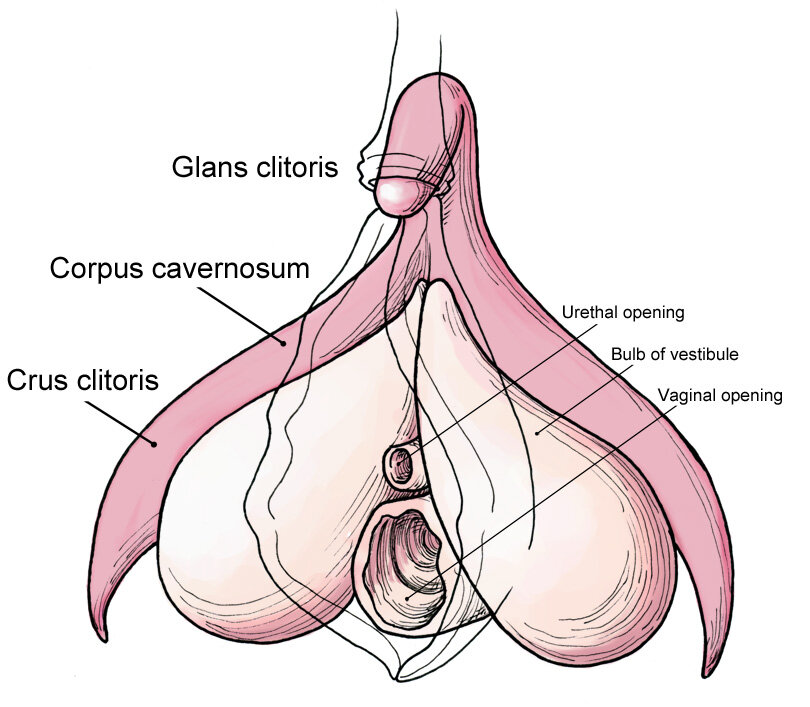
Because of this extensive internal network, clitoral stimulation isn't limited to the external glans. Pressure and sensation on the vulva, and even within the vagina, can stimulate different parts of the clitoris, contributing to arousal and orgasm.
The G-Spot
You've likely heard of the G-spot, often described as a magical button for intense pleasure. The reality is a bit more nuanced. The G-spot, or Gräfenberg spot, isn't a distinct, separate organ. Instead, it's considered a highly sensitive area on the front wall of the vagina, about one to three inches inside, toward the belly button.
When aroused, this area can feel slightly more textured or spongy compared to the smoother surrounding vaginal walls. For many, direct stimulation of the G-spot can lead to a powerful, deep orgasm that feels different from one achieved through external clitoral stimulation alone.
This sensation is likely because stimulating the front wall of the vagina also puts pressure on the internal network of the clitoris and the nearby urethra and Skene's glands. It’s another example of how interconnected the pelvic anatomy is.
Your Pelvic Floor Power
The pelvic floor is a group of muscles that form a supportive sling at the base of your pelvis. Think of it as a hammock stretching from your pubic bone in the front to your tailbone in the back. These muscles support your bladder, uterus, and bowels.
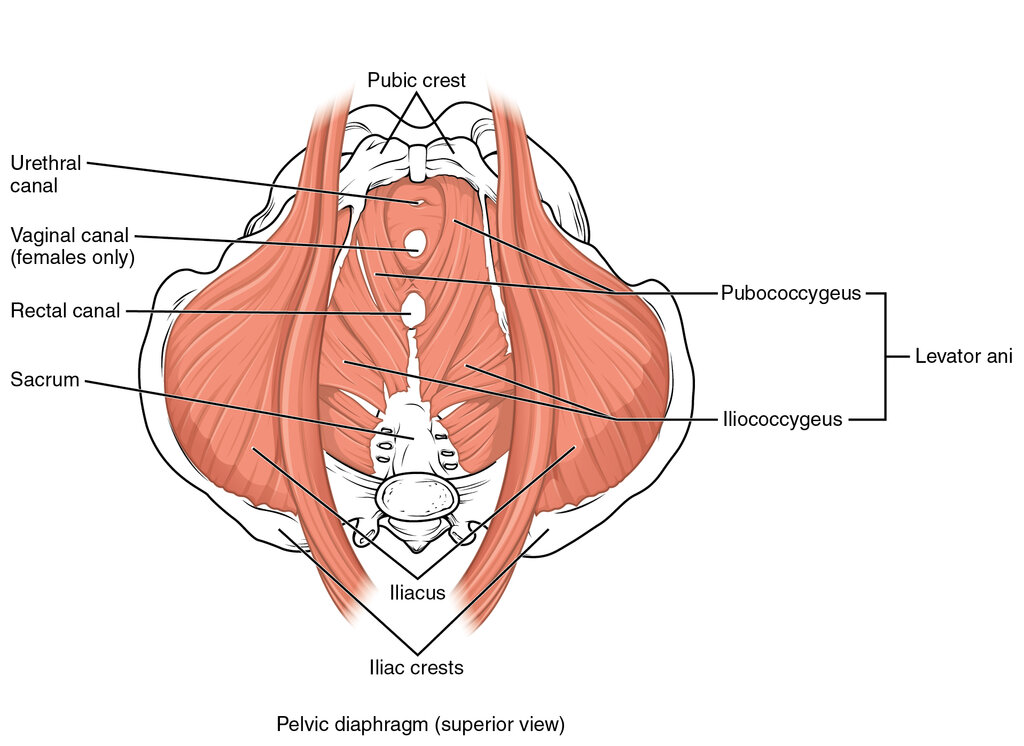
What does this have to do with sex? A lot. Strong, healthy pelvic floor muscles play a key role in sexual function. During arousal, blood flow to these muscles increases. During orgasm, the pelvic floor muscles contract rhythmically and involuntarily. Stronger muscles can lead to stronger, more intense orgasms.
Just like any other muscle, you can strengthen your pelvic floor. Exercises, often called Kegels, involve squeezing and lifting these muscles. A strong pelvic floor not only enhances sexual pleasure but also supports bladder control and overall core stability.
Ready to test your knowledge?
Which of the following best describes the full structure of the clitoris?
How is the G-spot (Gräfenberg spot) best understood in modern anatomy?
Understanding these key parts of female sexual anatomy provides a foundation for exploring pleasure and arousal more deeply.