Mastering Feedback for Team Success
Understanding Feedback
What Is Feedback?
Feedback is information about past actions that is shared to influence future actions. In a professional setting, it’s a tool for communication that helps individuals and teams understand their performance and how it aligns with expectations. Think of it as a compass. It tells you if you're heading in the right direction or if you need to adjust your course.
At its core, feedback isn't just about pointing out what's right or wrong. It’s a crucial part of learning and development. Without it, we're just guessing about our impact and effectiveness. With it, we have a clear path to improvement. Feedback comes in two main flavors: positive and negative.
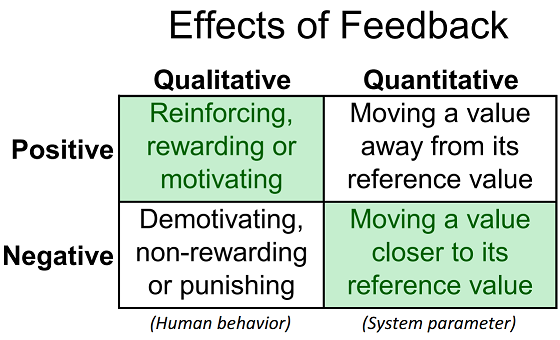
Positive vs. Negative Feedback
Positive feedback, often called reinforcement, highlights what someone is doing well. Its purpose is to encourage and motivate by recognizing good work, effective behaviors, or valuable contributions. When you tell a coworker, "Your presentation was excellent because you explained complex data so clearly," you're giving positive feedback. This reinforces their communication skills and makes them more likely to use that clear style in the future.
Negative feedback, sometimes called constructive criticism or redirection, identifies areas for improvement. Its goal is to correct behavior that is ineffective or misaligned with goals. It's not about blame; it's about making things better. For example, saying, "During the client meeting, you interrupted the customer a few times. Next time, let’s try to let them finish their thought before we jump in." This feedback points out a specific action and suggests a better alternative.
Both positive and negative feedback share the same ultimate goal: to improve performance.
It’s a common misconception that negative feedback is bad and positive feedback is good. Both are essential. Positive feedback builds confidence and reinforces strengths, while negative feedback identifies blind spots and opportunities for growth. A healthy work environment relies on a steady flow of both.
One more thing: Make sure to value both kinds of feedback, negative and positive, as negative feedback will help you improve your product and services and positive feedback will help you determine what is working for you.
The Impact of Feedback
When feedback is a regular part of work, it has a significant impact on individuals and teams. For individuals, it clarifies expectations, accelerates skill development, and increases engagement. Knowing where you stand and how you can improve is empowering. It turns a job into a path for growth.
For teams, a strong feedback culture builds trust and psychological safety. When team members can share feedback openly and respectfully, they solve problems faster, innovate more, and hold each other accountable to a high standard. The entire team gets better at steering itself toward its goals.
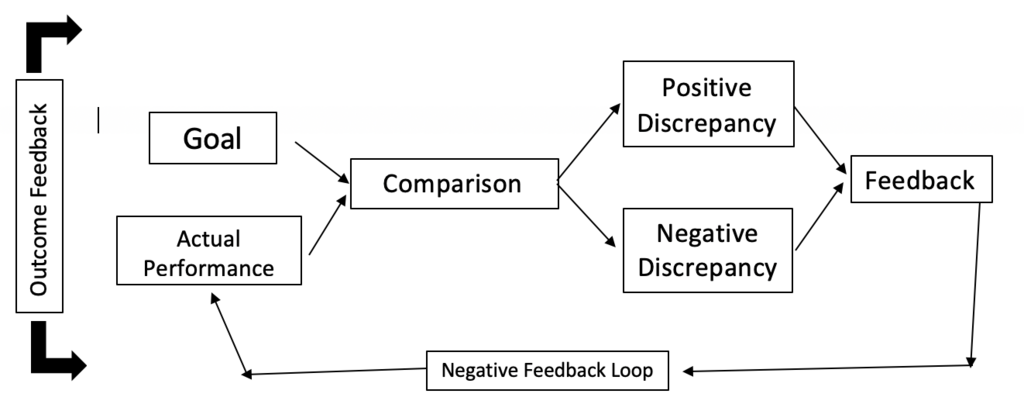
Ultimately, feedback is the engine of continuous improvement. It helps people and organizations adapt and evolve.
Now, let's test your understanding of these core concepts.
What is the primary purpose of feedback in a professional setting?
A manager tells an employee, "During that client presentation, your clear and simple explanation of the data was very effective. Let's use that style for future reports." What type of feedback is this?
Understanding what feedback is, and isn't, is the first step toward using it effectively to grow yourself and your team.