Mastering Feedback for Team Success
Understanding Feedback
What Is Feedback?
In any team, feedback is the information shared between members about their performance, behavior, or the results of their work. Think of it as a conversation aimed at improvement. The main purpose isn't to criticize or praise, but to provide clear, useful information that helps individuals and the team grow.
Feedback
noun
Information about actions, performance, or behavior that is used as a basis for improvement.
When given well, feedback strengthens communication, builds trust, and keeps everyone aligned on their goals. It’s a vital tool for navigating challenges and celebrating successes. Without it, team members are left guessing about their impact and how they can get better.

Constructive vs. Destructive
Not all feedback is created equal. The difference between helpful and harmful comments lies in the intent and the delivery. The goal is always to be constructive.
Constructive feedback is specific, actionable, and focuses on behavior, not personality.
For example, saying, “When you presented the data in today's meeting, the charts were hard to read. Next time, could you try using a larger font?” is constructive. It identifies a specific issue, explains its impact, and suggests a clear solution. It's about the work itself, and it empowers the person to make a positive change.
Constructive feedback is delivered with respect and a genuine desire to help. It's a two-way street that should encourage dialogue, not shut it down.

On the other hand, destructive feedback is the opposite. It's often vague, personal, and offers no path forward.
Comments like “Your presentation was terrible” or “You never listen” are destructive. They attack the person instead of the problem, leaving them feeling defensive and demoralized. This kind of feedback erodes trust, creates resentment, and can quickly poison a team's morale. It damages relationships and shuts down any chance for productive conversation.
Feedback's Role in Team Growth
A team that embraces constructive feedback is a team that's built to last. Regular, healthy feedback loops are essential for continuous improvement. They allow a team to adapt to new challenges, refine its processes, and innovate more effectively.
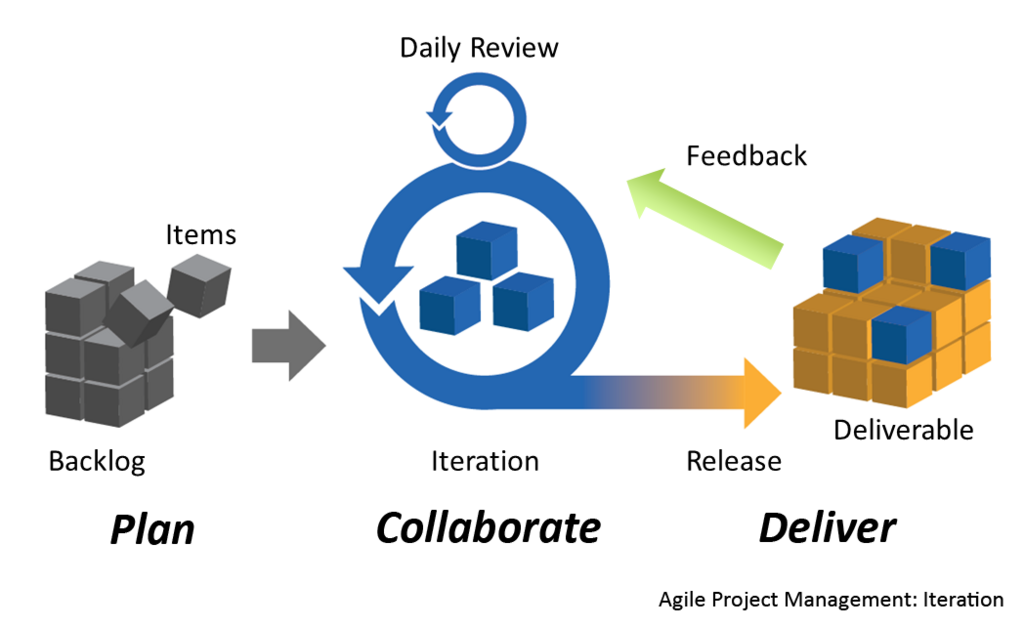
When team members feel safe enough to share and receive feedback openly, it builds psychological safety. This means people are more willing to take risks, admit mistakes, and ask for help without fear of blame. This environment is where real growth happens, both for individuals and for the team as a whole.
By making feedback a normal part of the workflow, teams can catch small issues before they become big problems, align their efforts, and ensure everyone is moving in the same direction.
Now, let's test your understanding of these core concepts.
What is the primary purpose of giving feedback in a team setting?
Which of the following statements is an example of constructive feedback?