Mastering Facebook Marketing
Advanced Audience Targeting
Beyond Basic Demographics
You already know how to target users by age, gender, and location. That's a solid start, but it's just scratching the surface. To truly boost performance and get the most out of your ad spend, you need to reach people based on their actions, interests, and relationship with your business. Advanced targeting is about moving from broad categories to specific, high-intent user segments.
Custom and Lookalike Audiences
The most powerful audiences are the ones you build yourself from your own data. This is where Custom Audiences come in.
A Custom Audience is a targeting option that lets you find your existing audiences among people who are on Facebook. You can create one from several sources:
- Contact Lists: Upload a customer file (like an email list or phone numbers). Facebook hashes this data and matches it against its user base.
- Website Visitors: Using the Meta Pixel, you can create an audience of everyone who has visited your website, or even specific pages, within a certain timeframe.
- App Activity: If you have an app, you can track in-app events (like purchases or level completions) to create highly specific audiences.
Using your own first-party data to create Custom Audiences is one of the most effective ways to reach warm leads and existing customers.
Once you have a high-quality Custom Audience, you can create a Lookalike Audience. This tells Facebook to find new people who are similar to your source audience. For example, you could create a Lookalike Audience based on your best customers.
When you create a Lookalike, you choose a percentage from 1% to 10% of the total population in your chosen country. A 1% Lookalike will be the most similar to your source audience but will have a smaller reach. A 10% Lookalike will have a much larger reach, but the users will be less similar.
Facebook’s Lookalike Audiences are a powerful tool for expanding reach while maintaining targeting precision.
Layering Interests and Behaviors
Interest and behavior targeting allow you to refine your audience based on their activities and declared interests. While powerful on their own, their true potential is unlocked when you layer them together to create a highly specific persona.
- Interest targeting focuses on what users have shown an affinity for, like pages they've liked, content they engage with, and related topics.
- Behavioral targeting focuses on past actions, such as purchase behavior, device usage, travel patterns, or life events (like an anniversary or a recent move).
For example, instead of just targeting people interested in "yoga," you could layer targets to reach a more specific group. You might target users who are interested in "Lululemon Athletica" AND exhibit the behavior of "Engaged Shoppers" AND are interested in "Organic food."
This combination suggests a user who not only likes high-end yoga apparel but also actively buys things online and has a health-conscious lifestyle. This person is a much more qualified lead for a premium yoga retreat than someone who simply liked a generic yoga page years ago.
Retargeting Strategies
Retargeting is the practice of showing ads to people who have already interacted with your business in some way. It's an incredibly effective strategy because you're reaching a warm audience that is already familiar with your brand. The Meta Pixel is the key to unlocking most retargeting capabilities.
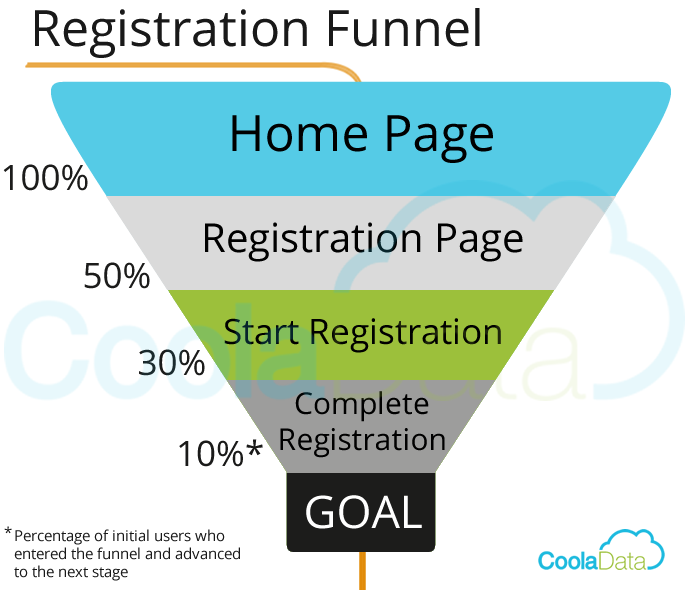
Here are a few common and powerful retargeting strategies:
- Cart Abandonment: Create a Custom Audience of people who added an item to their cart but didn't complete the purchase. You can show them ads featuring the exact product they left behind, sometimes with a small discount to encourage them to finish checking out.
- Website Visitors: Target users who visited your website but didn't take a key action, like signing up or making a purchase. You can show them ads that highlight customer testimonials or address common objections.
- Past Purchasers: Create an audience of existing customers to upsell or cross-sell other products. Since they've already purchased from you, they are more likely to buy again.
Implement Retargeting Strategies: Use Facebook Pixel—a piece of code installed on your website—to track user interactions and create custom audiences for retargeting.
Now, let's review these advanced targeting concepts.
Ready to test your knowledge?
What is the primary purpose of creating a Custom Audience?
An advertiser creates a 1% Lookalike Audience and a 10% Lookalike Audience from the same source. Which statement is true?
By mastering these techniques, you can ensure your ads are seen by the most relevant people, leading to better results and a higher return on your investment.