Mastering Facebook Advertising
Introduction to Facebook Advertising
Why Advertise on Facebook?
Facebook, part of the Meta family of apps, is more than just a place to connect with friends. With billions of users worldwide, it's one of the most powerful platforms for businesses to reach people. While having a business page is a good start, paid advertising is what allows you to connect with a specific audience that's most likely to be interested in what you offer.
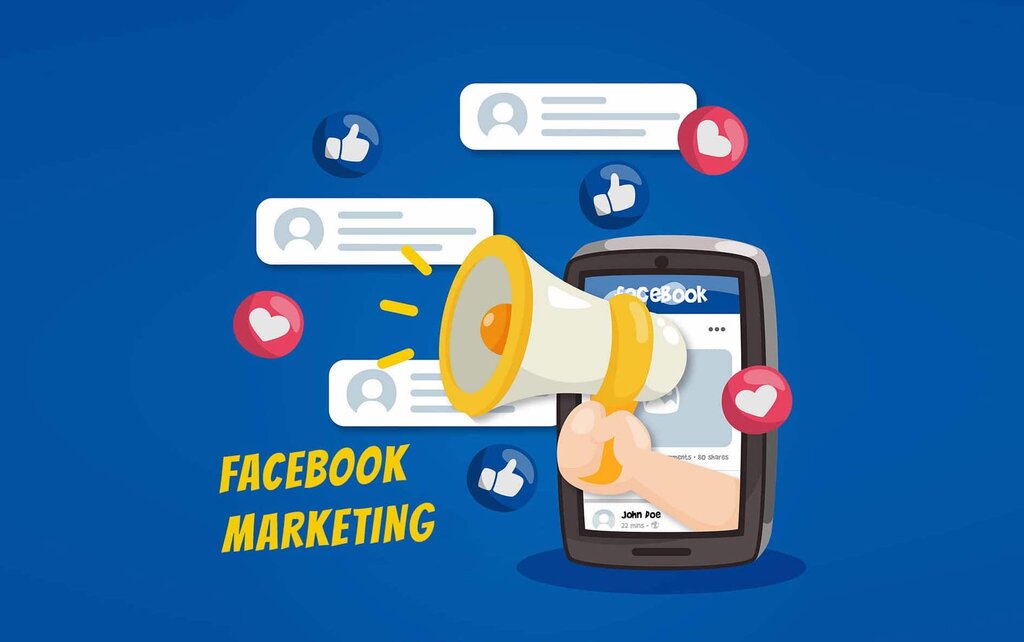
Think of it like this: a regular post on your business page is like standing in a public square and talking, hoping the right people walk by. A Facebook ad is like having a personal guide who brings interested individuals directly to you for a conversation. This is the power of targeted advertising. You aren't just shouting into the void; you're speaking to a curated audience.
Facebook marketing enables businesses to reach a vast audience through highly targeted advertisements, making it an essential tool for brand growth.
Anatomy of a Facebook Ad
Not all ads look the same. Facebook offers several ad formats, each suited for different goals. Choosing the right one helps your message land more effectively.
| Ad Format | Best For | Description |
|---|---|---|
| Image Ads | Simplicity and clarity | A single, compelling image with some text. Great for a clean, straightforward message. |
| Video Ads | Storytelling and demos | Show your product in action or tell a story. Videos can capture attention quickly in a busy feed. |
| Carousel Ads | Showcasing multiple items | Display up to 10 images or videos in a single ad, each with its own link. Perfect for showing different products or features. |
| Collection Ads | Mobile shopping | A visual and immersive format that lets people discover, browse, and purchase products from their phones in a seamless way. |
The key is to match the format to your message. If you're selling a single, visually appealing product, a simple image ad might be all you need. If you have a range of items or a multi-step story to tell, a carousel ad could be more effective.
How Campaigns Are Organized
To keep things organized, Facebook structures its ad system into a three-level hierarchy. Understanding this structure is the first step to creating and managing your ads without getting lost.
Here’s a breakdown of each level:
-
Campaign: This is the highest level. Here, you choose a single advertising objective. What is the main goal of your ad? Are you trying to make people aware of your brand, drive traffic to your website, or get sales?
-
Ad Set: Inside each campaign, you have one or more ad sets. At this level, you define your targeting strategy. You decide who you want to reach (your audience), how much you want to spend (your budget), and for how long (your schedule).
-
Ad: This is the final level, nested inside your ad sets. The ad is what your audience actually sees. It’s the combination of your creative (the images or videos) and your copy (the text). You can have multiple ads within an ad set to test which visuals or messages work best.
Think of it like a filing cabinet. The Campaign is the cabinet drawer labeled 'Get More Customers.' The Ad Sets are the folders inside, each for a different group of people, like 'Young Professionals' or 'Local Residents.' The Ads are the actual documents in each folder—the different flyers you've designed.
Now that you understand the basic components, let's test your knowledge.
At which level of the Facebook ad structure do you define your main advertising objective, such as driving website traffic or generating sales?
You want to create a Facebook ad targeting users aged 25-40 who live in New York and are interested in hiking. In which section would you define these audience parameters?
Getting these fundamentals right is the key to building campaigns that work. It all starts with a clear objective, the right audience, and a compelling ad.