Mastering FAA Part 107 Drone Operations
Introduction to FAA Part 107
The Rulebook for Commercial Drones
If you want to fly a drone for any business purpose in the United States, you need to follow a specific set of rules. This rulebook is known as Part 107, established by the Federal Aviation Administration (FAA). Think of it as the official guide for operating drones commercially, ensuring that everyone flying for work is doing so safely and responsibly.
Aspiring commercial drone pilots will need to secure a Part 107 remote pilot certificate before they can operate legally.
Part 107 isn't just about passing a test. It’s the foundation for safely integrating drones into the national airspace, a space they share with airplanes, helicopters, and other crewed aircraft. Following these regulations helps prevent accidents and keeps the skies safe for everyone.
sUAS
noun
An abbreviation for a Small Unmanned Aircraft System. According to the FAA, this refers to an unmanned aircraft weighing less than 55 pounds (25 kg) on takeoff, including everything that is on board or otherwise attached to the aircraft.
The rules in Part 107 apply specifically to these small drones. If a drone weighs 55 pounds or more, it falls under different, more stringent regulations.
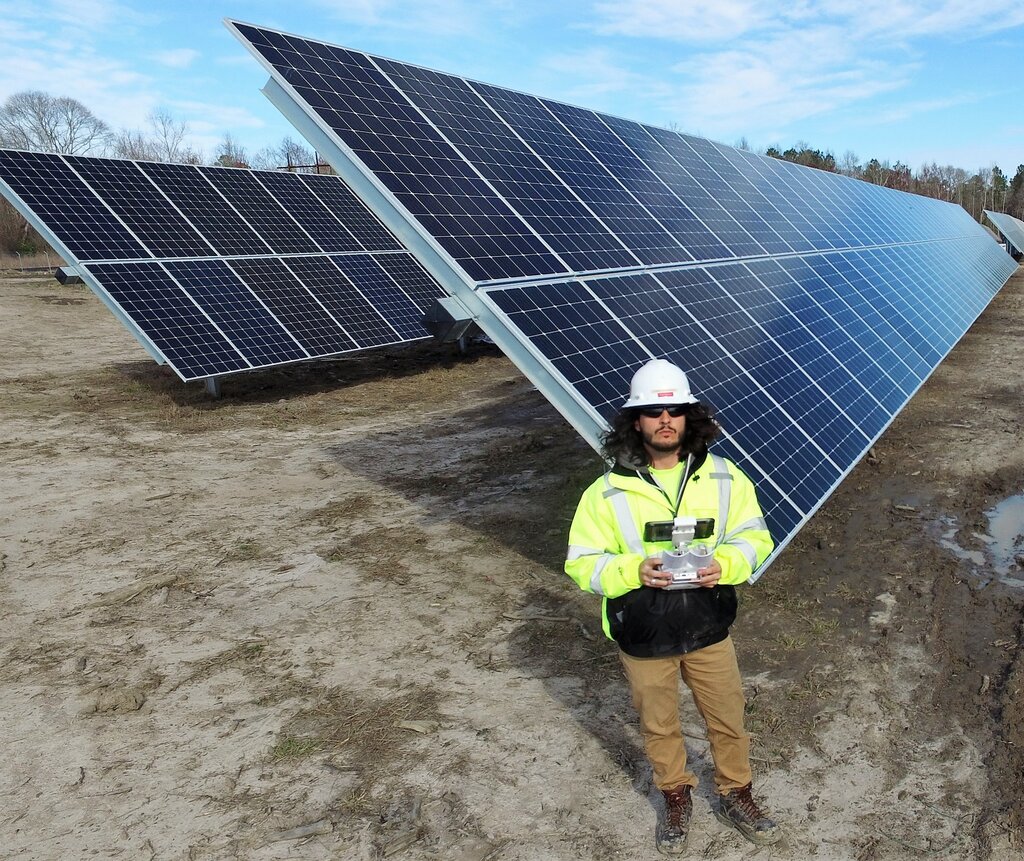
Fun vs. Profit
A crucial concept in drone law is the difference between flying for fun and flying for work. The FAA makes a clear distinction between recreational and commercial use, and the rules are different for each.
If your drone flight is in any way tied to a business, a service, or any form of compensation, it's considered commercial.
Flying for fun, or as a hobbyist, means you are flying purely for personal enjoyment. There's no business goal and no one is paying you. Commercial use, on the other hand, covers a wide range of activities. This includes obvious things like selling aerial photos or using a drone to survey a construction site. But it also includes less direct compensation. For example, taking photos for your own real estate business to market a property is commercial use. Even posting monetized videos on YouTube from your drone could be considered commercial.
| Category | Description | Governing Rules |
|---|---|---|
| Recreational | Flying purely for personal interest and enjoyment. | The Recreational UAS Safety Test (TRUST) & specific safety guidelines. |
| Commercial | Flying in connection with a business or for compensation. | FAA Part 107 regulations. |
The reason for the stricter rules under Part 107 is risk. Commercial operations often involve flying in more complex environments, for longer durations, or for clients who depend on the results. The FAA created Part 107 to establish a clear standard for knowledge and safety for anyone operating a drone as part of a business.
Before you can begin flying your drone for any commercial purpose, it's essential to understand these foundational concepts. Knowing what an sUAS is and whether your flight counts as commercial or recreational is the first step toward becoming a safe and compliant remote pilot.
Ready to check your understanding?
What is the primary purpose of the FAA's Part 107 regulations?
Part 107 applies to small Unmanned Aircraft Systems (sUAS). What is the maximum weight for a drone to be classified as an sUAS under this rule?
With this foundation, you're ready to explore the specific requirements you'll need to meet to become a certified commercial drone pilot.