Mastering Extended Reading Comprehension
Active Reading Strategies
Engage Your Brain
Reading isn't just about letting your eyes scan across a page. It can be a passive activity, like watching a movie, where information flows past you. But for learning to stick, you need to switch from being a spectator to being an active participant.
Active reading is a conversation with the text. Instead of just receiving information, you engage with it, question it, and connect it to what you already know. It's the difference between hearing a story and helping to write it. This approach makes information more memorable and easier to understand because you're actively building mental connections as you go.
Active reading is more than just reading a text; it is a reading technique that helps you engage with the material you are reading.
Talk to the Text
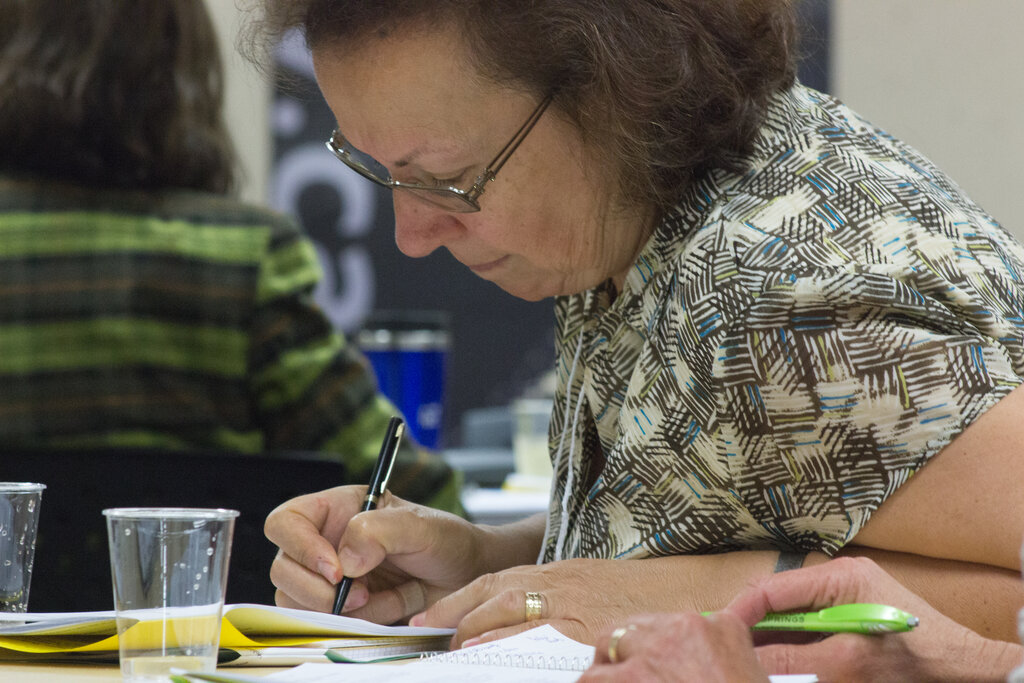
One of the most powerful active reading techniques is annotation. This means writing notes, underlining key phrases, and making marks directly on the text (or on a separate piece of paper if you can't write in the book). The goal is to leave a trail of your thoughts.
Don't just highlight everything. Be selective. Mark things that are important, surprising, or confusing. Here are a few ideas:
- Underline the main idea or thesis of a paragraph.
- Circle key terms or words you don't know.
- Write questions in the margins when something doesn't make sense.
- Draw arrows to connect related ideas.
- Use symbols like an exclamation mark for surprising facts or a star for important points.
Summarize as You Go
Have you ever finished reading a page, only to realize you have no idea what you just read? Summarizing can fix that. It forces your brain to process the information and rephrase it in your own words, which is a powerful way to check your understanding.
Try pausing after each paragraph or section. Before moving on, take a moment to summarize the main point in a single sentence. You can write these summaries in the margins or in a notebook. This simple habit keeps you focused and creates a useful outline of the material for later review.
For example, after reading a paragraph about the causes of the French Revolution, your summary might be: "Economic hardship, social inequality, and new political ideas combined to spark the French Revolution."
Ask Good Questions
Asking questions turns reading from a monologue into a dialogue. It keeps your mind curious and searching for answers, making the experience more dynamic. Your questions will guide your attention and help you dig deeper into the material.
Get in the habit of pausing to ask questions. They don't have to be complicated. The simple act of questioning keeps you engaged and helps you identify what you do and don't understand.
| Question Type | Example |
|---|---|
| Clarifying | "What does this specific term mean?" |
| Probing | "Why does the author think this is true?" |
| Connecting | "How does this idea relate to what I learned last week?" |
| Predicting | "What do I think will happen next based on this?" |
Now let's review the key strategies we've discussed.
Ready to check your understanding? Let's try a few questions.
What is the primary difference between active and passive reading?
When annotating, the text advises you to be selective and not highlight everything. Which of the following is a recommended annotation technique?
By annotating, summarizing, and questioning, you transform reading into an active, engaging process. These habits don't just help you get through a text; they help you truly understand it.