Mastering Executive Presence Coaching
Mastering Gravitas
The Bedrock of Presence
Executive presence is often described using three pillars: gravitas, communication, and appearance. While all are important, gravitas is the foundation. It's the quiet, grounded confidence that makes people listen. It isn't about being overly serious or stern; it's a substance and depth that inspires trust, especially when the stakes are high.
Gravitas is the substance, the depth, and the intellectual and emotional intelligence that forms the bedrock of Executive Presence.
Think of gravitas as the intersection of three key domains:
- Deep Knowledge: A thorough command of your subject matter. You know your field, and it shows.
- Emotional Intelligence: The ability to understand and manage your own emotions, and to recognize and influence the emotions of those around you.
- Mindfulness Under Pressure: Staying centered and composed when faced with challenges or unexpected events.
Gravitas
noun
A quality of substance, depth, and seriousness that conveys authority and inspires confidence.
Responding vs. Reacting
A leader's credibility is often tested in high-stakes moments. The key distinction in these situations is whether they react to stress or respond with poise. A reaction is an impulsive, often defensive reflex driven by emotion. A response is a considered, mindful action based on clear thinking.
| Reactive Leader (Frantic) | Responsive Leader (Calm Authority) |
|---|---|
| Speaks quickly, voice may rise in pitch | Maintains a steady, measured pace |
| Uses defensive or blaming language | Takes ownership and focuses on solutions |
| Appears agitated or flustered | Body language is calm and grounded |
| Interrupts others frequently | Listens actively before speaking |
Moving from a reactive state to a responsive one requires self-awareness. It starts with recognizing your internal signals of stress—a racing heart, shallow breathing, tense muscles. Instead of letting these signals take over, you can use them as a cue to pause.
This is where centering rituals become invaluable. These are small, deliberate actions you take to ground yourself before or during a stressful event. It could be as simple as taking three slow, deep breaths, feeling your feet firmly on the floor, or briefly touching a familiar object like a pen. These actions interrupt the fight-or-flight instinct and give your rational mind a chance to catch up.
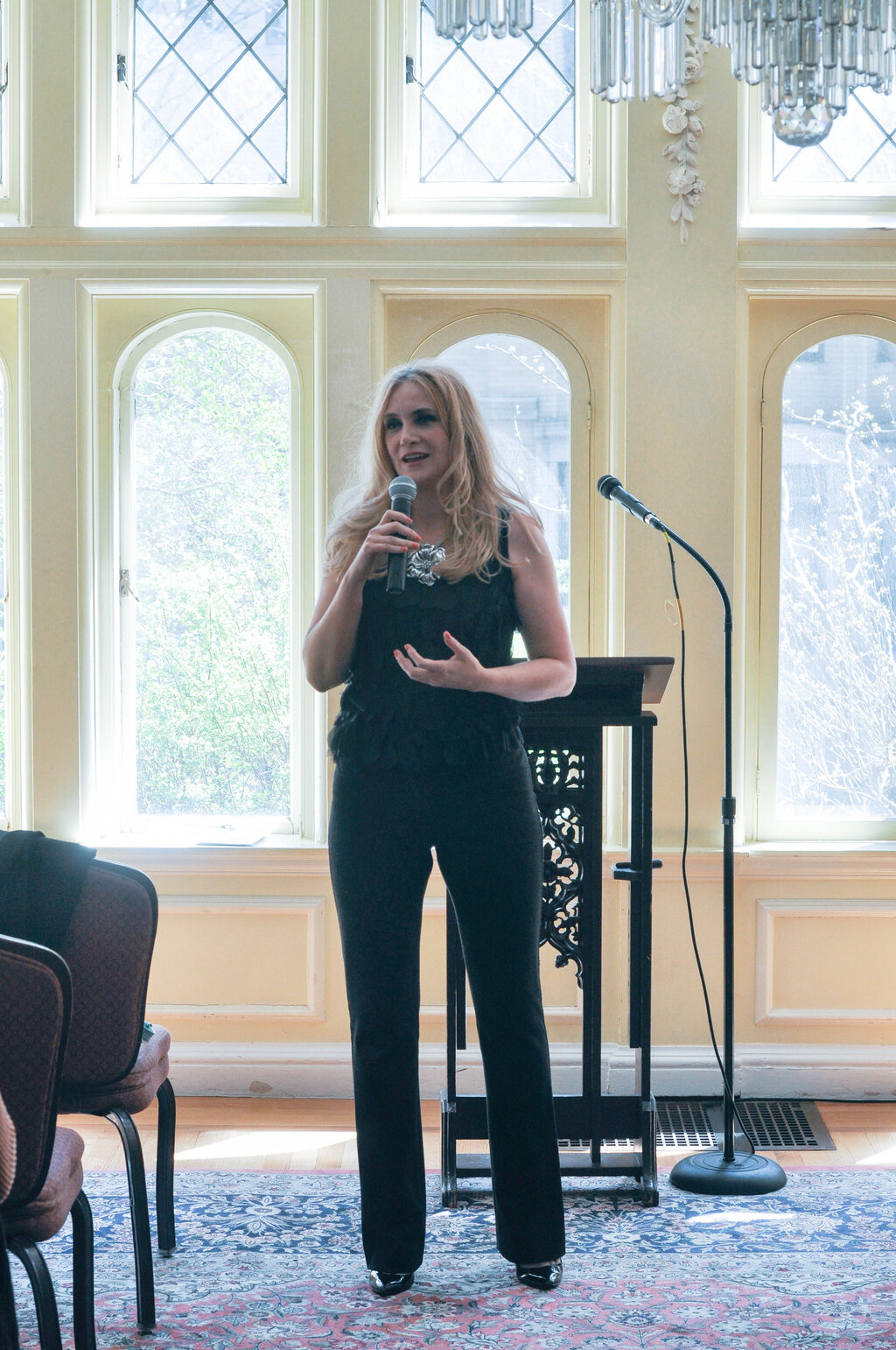
Authenticity Over Performance
Many leaders mistakenly believe that executive presence is a performance. They try to impress, adopting a persona they think others want to see. This approach often backfires, coming across as inauthentic or forced. True gravitas isn't about putting on an act; it's about owning the room by being fully yourself.
Authentic presence comes from leveraging your genuine internal signals, not from mimicking someone else's style.
Your unique personality, values, and even your vulnerabilities are part of your leadership presence. When you embrace these, you project a quiet confidence that is far more compelling than any performance. It shows you trust yourself, which in turn makes others trust you. The goal is to align your inner state with your outer expression, creating a consistent and credible presence that doesn't waver under pressure.
Let's review the key ideas about gravitas.
Now, test your understanding of these core concepts.
According to the principles of executive presence, which of the following is considered the foundational pillar?
A leader is caught off guard by a difficult question in a high-stakes meeting. Instead of getting defensive, they pause, take a slow breath, and then calmly address the question. This is an example of a ______.
By focusing on these elements—building from a base of self-trust, responding mindfully, and leading authentically—you can cultivate the gravitas that defines exceptional leaders.