Mastering Exclusive Breastfeeding Practice
Advanced Lactation Physiology
The Switch from Central to Local Command
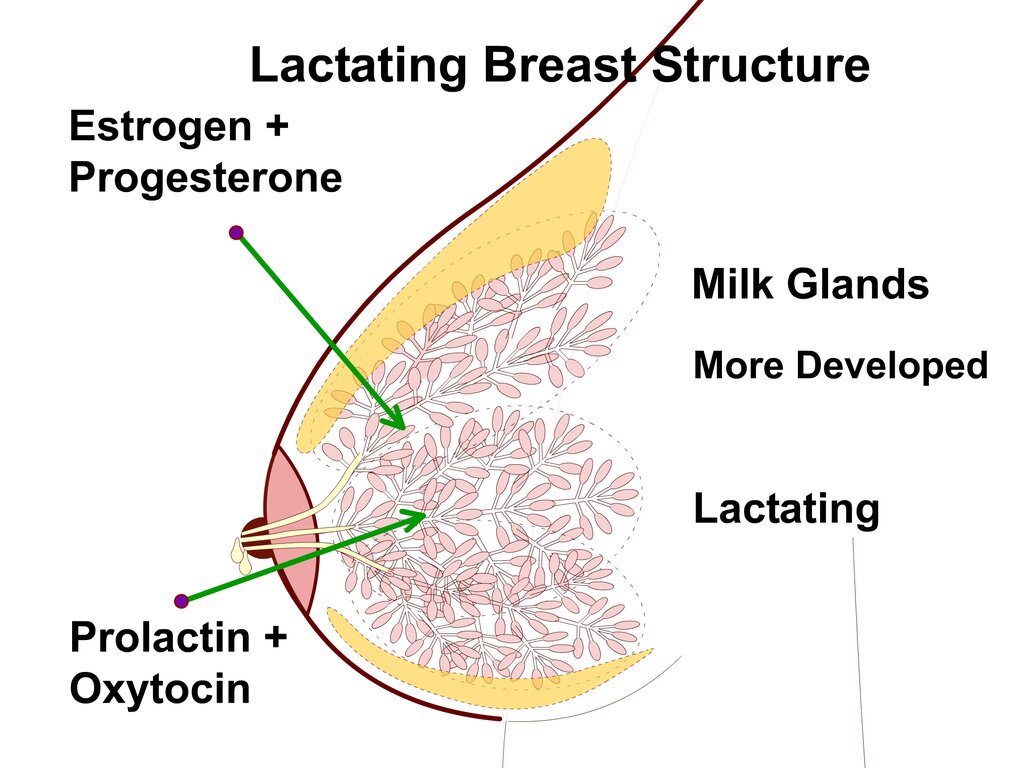
In the first few days after birth, milk production operates under what’s known as This is a top-down system, driven by hormones circulating in your bloodstream, primarily prolactin. Your body gets the signal that the baby has arrived and starts producing milk, regardless of whether the baby is nursing effectively or not. It's a system running on a pre-programmed schedule.
However, after a few days, this system hands over the reins to a more localised and responsive process called autocrine control Now, milk production is managed at the level of each individual breast. The primary driver is no longer just the presence of hormones, but the removal of milk. This is the classic supply-and-demand mechanism in action. If milk is frequently and effectively removed, the breast gets the signal to make more. If milk is left in the breast, production slows down.
Breast milk production works on a supply-and-demand basis; the more you feed (or express), the more milk you make.
The Gatekeeper in Your Milk
How does the breast know when to slow production? The answer lies in a fascinating whey protein called or FIL. FIL is present in the milk itself. When milk accumulates in the breast, the concentration of FIL increases. This high concentration signals the milk-producing cells, the lactocytes, to slow down their synthesis of new milk.
When the baby nurses and empties the breast, the FIL is removed along with the milk. The concentration drops, the inhibitory signal disappears, and the lactocytes get back to work. This elegant feedback loop ensures that milk production is perfectly calibrated to the baby's needs, preventing the discomfort of over-fullness while ensuring enough milk is available.
A Dynamic and Living Fluid
Human milk is far more than just food. It’s a bioactive fluid teeming with components that protect and nourish the infant. It contains thousands of distinct compounds, including antibodies, enzymes, hormones, and The most prominent of these is Secretory IgA (sIgA), which coats the infant's intestinal lining, providing a protective barrier against pathogens.
The composition of milk is not static. It changes dynamically in several ways.
During a single feed: The milk at the beginning of a feed, known as foremilk, is thinner and higher in lactose, quenching the baby’s thirst. As the feed progresses, the fat content steadily rises. The milk at the end, or hindmilk, is creamy and rich in fat and calories, ensuring satiety and healthy weight gain.
Throughout the day: Milk composition also follows a circadian rhythm. Milk produced in the morning tends to have higher levels of cortisol, a hormone that promotes alertness. Evening milk, on the other hand, is richer in melatonin, which helps promote sleep.
The Weaning Process
When breastfeeding gradually ceases, the mammary glands undergo a process of remodelling called involution. As milk is removed less frequently, the build-up of FIL and pressure within the alveoli triggers apoptosis, or programmed cell death, of the milk-producing lactocytes. The glandular tissue slowly shrinks and is replaced by adipose (fat) tissue, returning the breast to its pre-lactating state.
This process is a normal and necessary part of the lactation cycle. It allows the body to conserve energy and resources once milk is no longer required, readying the system for a potential future pregnancy. Understanding this physiological shutdown helps demystify the natural decline in milk supply during weaning.
In the initial days following birth, what is the primary system controlling milk production, driven mainly by hormones?
What is the primary function of the Feedback Inhibitor of Lactation (FIL)?