Mastering Every.to for Knowledge Management
Introduction to Personal Knowledge Management
What is Personal Knowledge Management?
Have you ever read a fascinating article, learned something new, and then a week later, struggled to remember the key details? Or maybe you had a brilliant idea in the shower, only to have it vanish by the time you sat down at your desk. This is a common experience. We consume a huge amount of information, but we often fail to capture and organize it in a way that’s useful for the future.
This is where Personal Knowledge Management, or PKM, comes in. Think of it as creating a personal system for collecting, organizing, and connecting the information you encounter. It’s not just about hoarding articles or taking random notes. It’s about building a structured, searchable library of your own thoughts, insights, and learnings.
Personal Information Management (PIM) refers to the practice and the study of the activities a person performs in order to acquire or create, store, organize, maintain, retrieve, use, and distribute information in each of its many forms (paper and digital, in e-mails, files, Web pages, text messages, tweets, posts, etc.) as needed to meet life's many goals (everyday and long-term, work-related and not) and to fulfill life's many roles and responsibilities (as parent, spouse, friend, employee, member of community, etc.).
A good PKM system acts like an extension of your own brain, helping you remember better, see connections between different ideas, and ultimately, become more creative and effective.
Why Bother with a System?
In an age of information overload, having a system to manage what you learn is more important than ever. Without one, valuable knowledge gets lost in a sea of browser tabs, saved links, and forgotten notebooks. A deliberate PKM practice helps you turn raw information into lasting knowledge.
The main goal is to make your own ideas and the ideas of others more accessible to your future self. When you can easily retrieve what you've learned, you can build upon it. You start to notice patterns you might have missed before. This process can spark new insights and fuel creative projects. It reduces the stress of trying to keep everything in your head and frees up mental energy for deeper thinking.
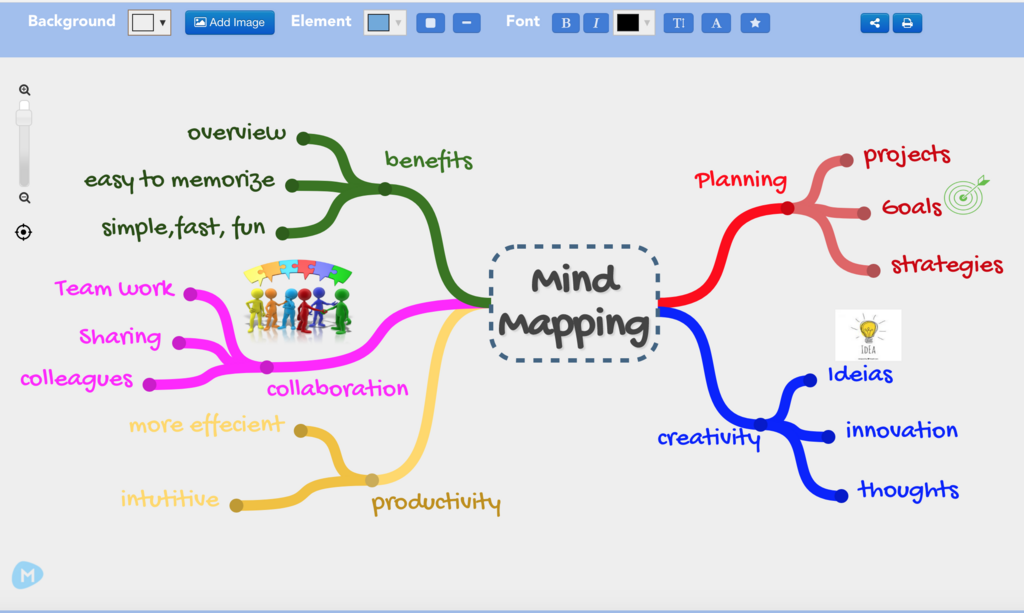
Methods for Organizing Knowledge
There's no single 'right' way to manage your knowledge. Different systems work for different people. The key is to find a method that feels natural to you and stick with it. Here are a few popular approaches to give you some ideas.
| Method | Core Idea | Best For |
|---|---|---|
| Zettelkasten | Create small, single-idea notes (atomic notes) and link them together to form a web of knowledge. | Writers, researchers, and anyone looking to generate new connections between ideas. |
| Building a Second Brain | Digitize and organize your knowledge to create an external, searchable 'brain' that supports your work. | People who want a comprehensive system for turning information into creative output. |
| PARA Method | Organize all digital information into four action-oriented folders: Projects, Areas, Resources, and Archives. | Individuals seeking a simple, intuitive way to organize files and notes based on their relevance. |
These aren't mutually exclusive. Many people mix and match principles from different methodologies to create a hybrid system that fits their unique needs.
Tools of the Trade
The tool you use is less important than the system you build with it. You can start a PKM system with a simple notebook and index cards. However, digital tools offer powerful features like tagging, linking, and searching that make managing knowledge much easier.
Common types of PKM tools include:
- Note-taking Apps: These are the core of most digital PKM systems. They range from simple text editors to complex apps that support bidirectional linking.
- Read-it-Later Apps: These tools help you capture articles and videos to consume later, preventing you from getting distracted by an endless stream of content.
- Web Clippers: Browser extensions that let you save snippets or entire webpages directly into your note-taking app.
Choosing a tool often comes down to personal preference. The best approach is to start simple. Pick a tool, try a methodology, and see how it feels. The goal is to build a consistent habit of capturing and organizing what matters to you. Your 'second brain' will grow and evolve over time, becoming an invaluable personal resource.
What is the primary goal of a Personal Knowledge Management (PKM) system?
The text suggests that a good PKM system acts as an extension of what?