Mastering Event Management in Dubai
Dubai Event Ecosystem
Dubai as a Global Events Hub
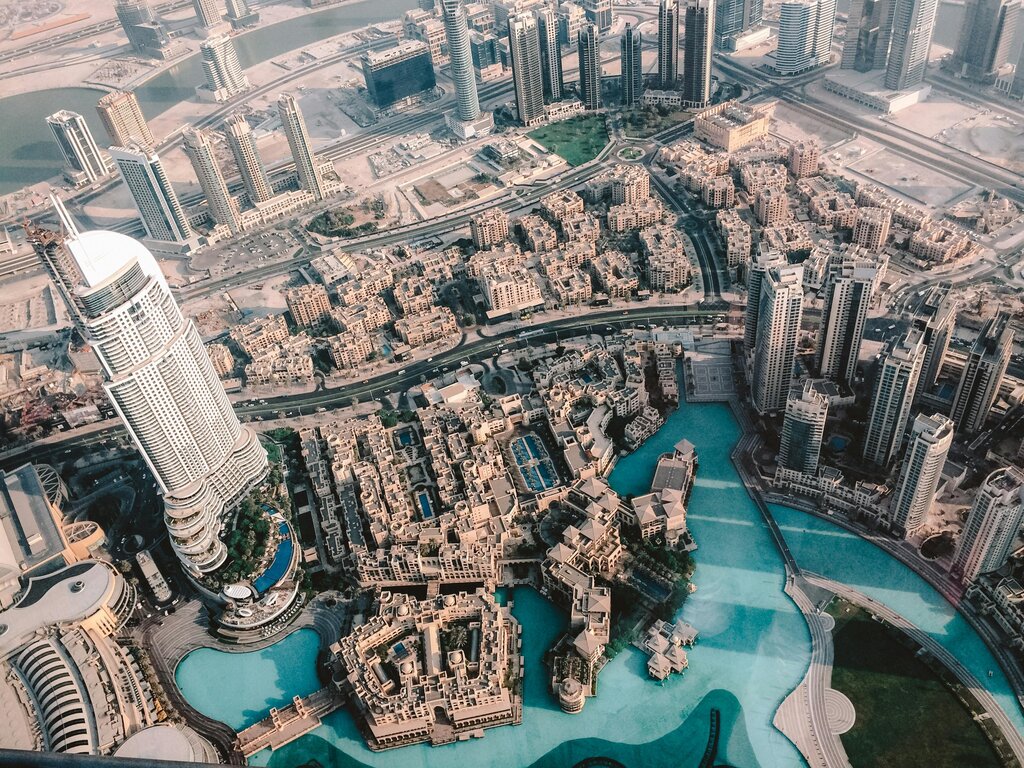
Dubai doesn't just host events; it builds entire city-sized experiences around them. While you know the fundamentals of event planning, executing an event here requires understanding a unique ecosystem. The city has positioned itself as a premier global destination by investing heavily in world-class infrastructure, from the Dubai World Trade Centre to the Expo City. This commitment makes it a magnet for international gatherings.
The government is a key player, actively shaping the industry. The Department of Economy and Tourism (DET), formerly DTCM, is the primary body you'll interact with. It's not just a regulatory hurdle; it's a strategic partner. Through initiatives like Dubai Business Events, the city's official convention bureau, the DET actively bids for and supports major international conferences. This proactive government involvement is a defining feature of the local market.
In Dubai, government bodies are often your biggest allies in event planning, providing support that goes far beyond simple permits and licences.
The Event Landscape
Dubai's event calendar is diverse. While lifestyle and entertainment events like the Dubai Shopping Festival or major concerts draw huge crowds, the city's economic backbone is the sector. These aren't just small corporate meetings; they are large-scale exhibitions and congresses like GITEX GLOBAL (technology) and Arab Health, which attract thousands of international delegates and pump billions into the economy.
The ecosystem involves several key players. Venue operators like the Dubai World Trade Centre are central. You also have a host of specialised event management companies, Destination Management Companies (DMCs) that handle logistics for international visitors, and a deep network of suppliers for everything from AV to catering. Understanding who does what is crucial for efficient planning.
Planning Considerations
Timing is everything in Dubai. The climate dictates the primary event season. While your general planning skills cover timelines, here they are intrinsically linked to the weather and major cultural events.
| Season | Months | Characteristics | Event Suitability |
|---|---|---|---|
| Peak Season | Oct - Apr | Pleasant weather, high tourist influx. | Ideal for outdoor events, major festivals, and international conferences. High demand for venues. |
| Shoulder Season | May, Sep | Hot but manageable. Lower tourist numbers. | Good for indoor corporate events and exhibitions. Better venue availability. |
| Off-Peak Season | Jun - Aug | Extreme heat. Lowest tourist traffic. | Primarily for indoor, locally-focused events. Deep discounts on venues are common. |
Beyond the weather, you must be mindful of the cultural context. Events planned during require specific considerations, such as altered operating hours and a focus on evening activities like Iftar and Suhoor. Respect for local customs is not just a courtesy; it's a critical component of successful event design. Business etiquette, dress codes for certain venues, and segregation of genders in some traditional settings are all factors to consider.
The right venue sets the tone, supports your goals, and aligns with the event's specific themes and objectives, making your life easier.
Finally, the economic landscape is geared for growth. The Dubai Economic Agenda 'D33' aims to double the size of the city's economy by 2033. This ambitious plan translates into continuous investment in infrastructure, a pro-business regulatory environment, and a growing population, all of which fuel the demand for more and larger events. For an event planner, this means a market ripe with opportunity but also one that is highly competitive.
Now, let's test your understanding of Dubai's unique event environment.
What is the primary role of the Department of Economy and Tourism (DET) in Dubai's event industry?
An international tech company wants to host a major exhibition in Dubai. Based on the city's focus, which event category would this most likely fall under?
Understanding these local dynamics is the first step to adapting your event planning skills for success in this exciting market.