Mastering Event Management
Introduction to Event Management
What Is Event Management?
At its core, event management is the process of planning, organizing, and executing events. It’s much more than just throwing a party. It’s about creating a specific experience for a target audience, whether that’s for a corporate conference, a music festival, or a small wedding. Think of it as project management with a deadline that can't be moved.
Every event starts with a purpose. Maybe a company wants to launch a new product, a non-profit wants to raise funds, or a family wants to celebrate a milestone. The event manager's job is to take that purpose and turn it into a tangible, memorable occasion. This involves coordinating countless details, from the big picture vision to the smallest logistical element.
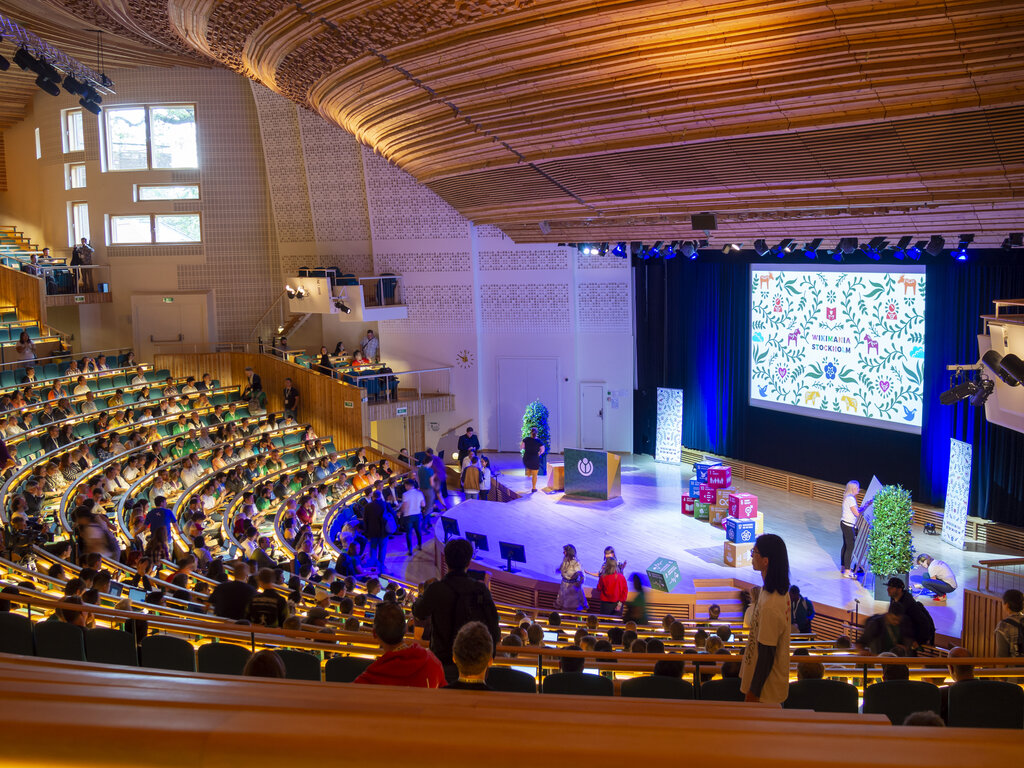
Event management is the art of bringing a vision to life, one detail at a time. It blends creativity with precise execution to create an impactful experience.
Types of Events
Events come in all shapes and sizes, but they generally fall into a few broad categories. Understanding these distinctions helps clarify an event's goals and the specific planning required.
Corporate Events: These are hosted by businesses for their employees, clients, or partners. The primary goal is usually business-related, such as training, networking, or promoting a brand. Examples include conferences, trade shows, product launches, and team-building retreats.
Social Events: These are personal gatherings that mark significant life milestones. They're focused on celebration and creating lasting memories for a private group. Think weddings, birthday parties, anniversaries, and family reunions.
Cultural Events: These events celebrate community, heritage, and the arts. They are often open to the public and aim to enrich the cultural life of a community. Examples include music festivals, art fairs, religious celebrations, and community parades.
| Category | Primary Goal | Examples |
|---|---|---|
| Corporate | Business Objectives | Conferences, Trade Shows, Product Launches |
| Social | Personal Celebration | Weddings, Anniversaries, Birthday Parties |
| Cultural | Community & Arts | Music Festivals, Art Fairs, Parades |
The Event Manager's Role
An event manager is the conductor of the orchestra. They don't play every instrument, but they ensure everyone plays in harmony to create a beautiful symphony. Their responsibilities are vast and vary depending on the event's scale and type, but they typically oversee the entire process from start to finish.
Key responsibilities include:
- Conceptualizing the Event: Working with the client to understand the event's purpose and vision.
- Planning & Logistics: Choosing a venue, setting a date, creating a schedule, and coordinating vendors like caterers, photographers, and security.
- Team & Vendor Management: Hiring and managing staff and suppliers, ensuring everyone knows their role and delivers on time.
- On-Site Execution: Overseeing everything on the day of the event to ensure it runs smoothly and handling any unexpected problems that arise.
To succeed as an event manager, focus on developing essential skills like leadership, communication, organization, and adaptability.
Ultimately, an event manager is a master problem-solver and communicator, skilled at keeping many moving parts aligned toward a single goal.
The Event Lifecycle
Every event, regardless of its size, follows a natural progression. This is often called the event lifecycle, which can be broken down into five key stages. Understanding this cycle helps keep the planning process organized and ensures no critical steps are missed.
Each stage builds on the last. A clear initiation phase makes planning easier. Detailed planning ensures a smoother execution. A well-managed event leads to better outcomes and more useful feedback for the future.
Time for a quick review of these foundational concepts.
Which of the following best describes the core purpose of event management?
A city's annual street fair celebrating local artists and heritage is an example of which type of event?
With these basics in mind, you have a solid framework for understanding what goes into creating a successful event.