Mastering Event Management
Event Management Fundamentals
What Is Event Management?
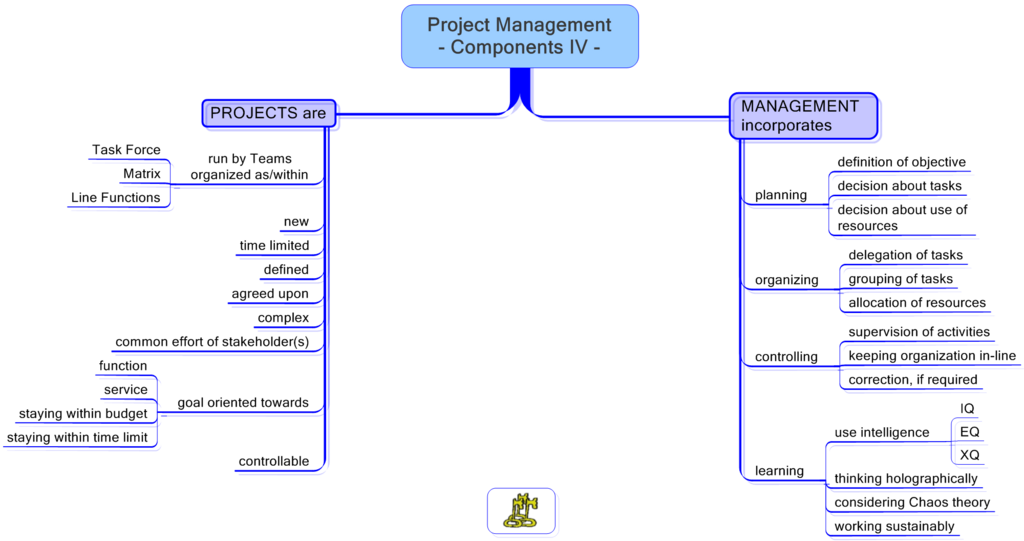
At its core, event management is the process of planning, organizing, and executing events. Think of it as project management, but for experiences. Whether it's a small workshop, a massive music festival, or a corporate conference, the goal is to bring a vision to life and create a seamless experience for attendees.
Why is it so important? Without a structured approach, an event can easily fall apart. Good event management ensures that goals are met, budgets are respected, and risks are minimized. It’s the invisible force that makes sure the speakers arrive on time, the sound system works, and everyone knows where to go. It transforms a chaotic idea into a well-run, memorable occasion.
A Quick Look Back
Humans have gathered for events since the dawn of time, from ancient religious festivals to Olympic games. However, event management as a professional industry is much more recent. Its roots began to formalize in the 20th century with the rise of corporate meetings, large-scale conventions, and international trade shows.
The growth of global business and tourism fueled the need for skilled professionals who could handle complex logistics. What was once handled informally by an assistant or a volunteer committee has now become a specialized field with its own tools, techniques, and best practices.
Types of Events
Events come in all shapes and sizes, each with its own purpose and audience. While the possibilities are endless, most fall into a few main categories.
| Category | Description | Examples |
|---|---|---|
| Corporate | Focused on business objectives, such as training, networking, or product promotion. | Conferences, trade shows, team-building events, product launches. |
| Social / Private | Centered around personal milestones and celebrations. | Weddings, birthday parties, anniversaries, family reunions. |
| Cultural / Community | Designed to celebrate heritage, community, or the arts. | Music festivals, art fairs, local parades, holiday celebrations. |
| Charity / Fundraising | Aimed at raising money and awareness for a specific cause. | Galas, charity auctions, benefit concerts, awareness walks. |
The Core Components
No matter the type of event, the management process generally follows three key stages. These components provide a framework for turning an idea into a successful reality.
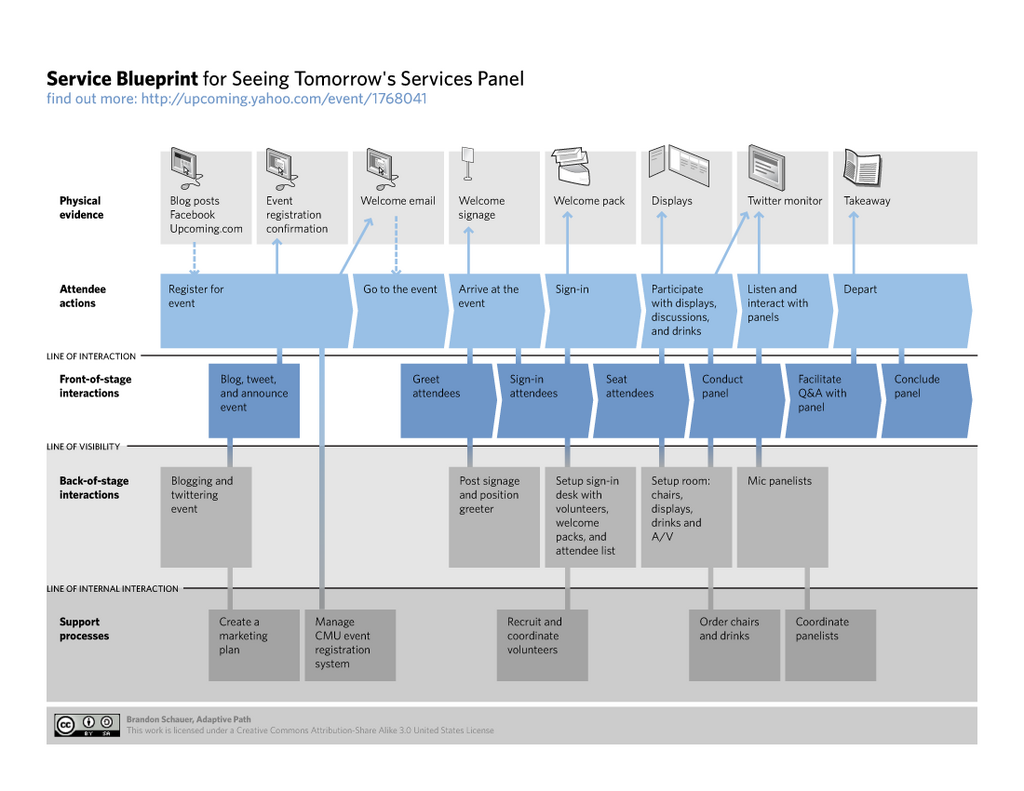
1. Planning: This is the foundation. It involves defining the event's purpose and goals, setting a budget, selecting a venue, creating a timeline, and lining up vendors and speakers. Every detail, from marketing to registration, is mapped out in this phase.
2. Execution: This is the live stage where the plan is put into action. It involves managing logistics on the day of the event, coordinating with staff and vendors, solving problems as they arise, and ensuring the attendee experience is positive.
3. Evaluation: Once the event is over, the work isn't done. This final stage involves gathering feedback from attendees, analyzing what went well and what didn't, and measuring the event's success against its initial goals. This feedback is crucial for improving future events.
Now, let's test your understanding of these fundamental concepts.
At its core, event management is most similar to which other professional discipline?
According to the text, the professionalization of event management was primarily fueled by...
Understanding these basics provides the groundwork for every successful event.