Mastering Essential Professional Skills
Strategic Skill Stacking
Beyond the Specialist
In today's job market, deep expertise in a single area is valuable, but it's no longer the only way to build a career. The real competitive advantage often comes from combining skills in unexpected ways. This is the core idea behind skill stacking: creating a unique professional profile by layering complementary abilities.
A skill stack refers to a personalized combination of marketable skills, credentials, and experiences that can evolve in response to emerging trends and market demands.
Think of it like building a custom toolkit. A master carpenter doesn't just own a great hammer. They have a hammer, a saw, a plane, and a measuring tape. Each tool is useful on its own, but together, they allow for complex and creative work that a single tool never could. Your skills work the same way. A data analyst who only knows SQL is useful. But a data analyst who also masters data visualisation and public speaking becomes a powerful storyteller, capable of influencing major business decisions.
Finding Your Force Multipliers
A force multiplier is a skill that dramatically increases the value of your existing skill set. It's the 'and' that makes you stand out. You're a great coder and you can explain technical concepts to non-technical stakeholders. You're a talented designer and you understand marketing funnels. These combinations are rare and highly sought after.
To identify your own force multipliers, start by assessing your core competencies. What are you already good at? Then, look for adjacent skills that would amplify that strength. A good starting point is the T-shaped model, which encourages deep expertise in one area combined with broader knowledge in others.
The horizontal bar of the 'T' is where you find your force multipliers. If your vertical bar is technical proficiency, the horizontal bar might include skills like project management, negotiation, or persuasive writing. These aren't just 'soft skills'; they are strategic assets that turn your technical ability into tangible influence and impact.
The Technical and EQ Synergy
One of the most powerful skill stacks combines deep technical knowledge with high emotional intelligence (EQ). A programmer can write clean, efficient code. But a programmer with high EQ can also understand a client's unstated needs, navigate team conflicts, and mentor junior developers effectively. This synergy creates a leader, not just a technician.
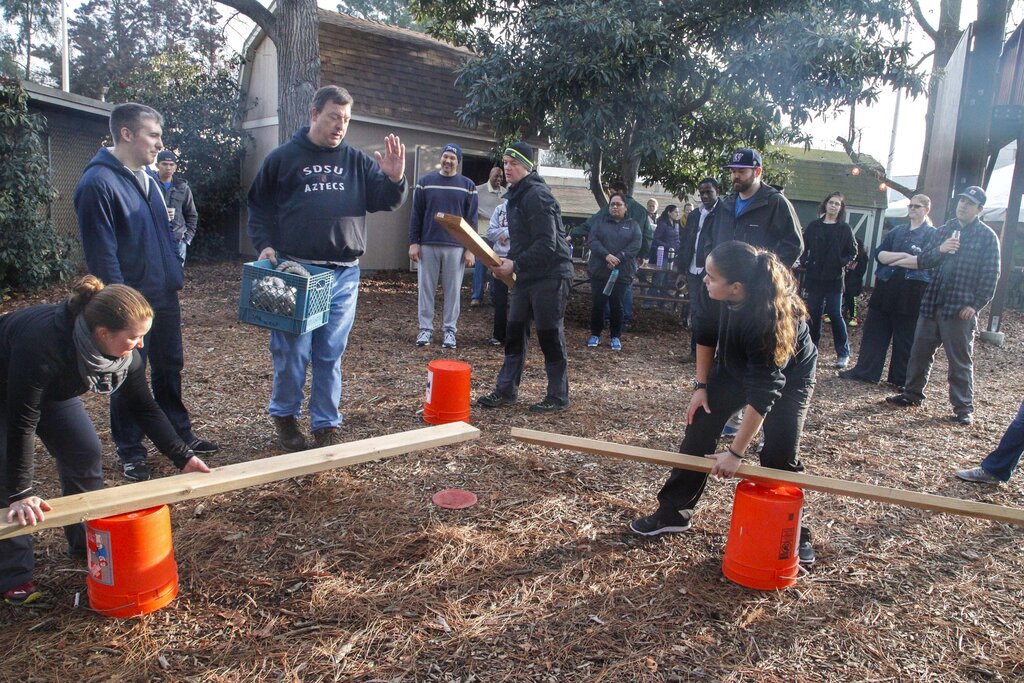
Consider a scenario: a new software project is failing. The purely technical expert might identify the bug in the code. The expert with a skill stack of coding, communication, and empathy will not only fix the bug but also diagnose the breakdown in team communication that caused it, preventing future issues. Their value isn't just in what they know, but in how they apply it within a human system.
This is why roles like 'Product Manager' or 'Sales Engineer' exist. They are built around the idea that blending technical expertise with interpersonal skills creates immense value. They act as translators and connectors within an organisation, bridging the gap between those who build the product and those who use it.
Positioning Through Skill Clusters
Your unique skill stack is your professional brand. It's how you position yourself in the market. Instead of being 'a marketer', you become 'the marketer who uses data analytics and Python scripting to automate campaign reporting'. Instead of being 'a lawyer', you become 'the lawyer who understands blockchain technology and can advise tech startups on smart contracts'.
These skill clusters allow you to carve out a niche where you have little competition. While thousands of people might share one of your primary skills, very few will have your specific combination. This scarcity is what drives your market value up. It turns you from a commodity into a unique asset.
Building this stack is an ongoing process. It requires self-awareness to know your strengths and market awareness to see which complementary skills are in demand. By thoughtfully adding layers to your skill set, you aren't just learning new things, you are building a career that is resilient, valuable, and uniquely yours.
What is the core idea behind 'skill stacking'?
In the context of the provided text, what is a 'force multiplier'?