Mastering Espresso with Breville and Eureka
Espresso Fundamentals
What Is Espresso?
Espresso is not a type of bean or a specific roast. It's a method of brewing coffee. By forcing a small amount of nearly boiling water through finely-ground coffee under high pressure, we create a concentrated, powerful shot of coffee. This process extracts more solids and oils from the beans than other methods, resulting in a drink with a distinct character.
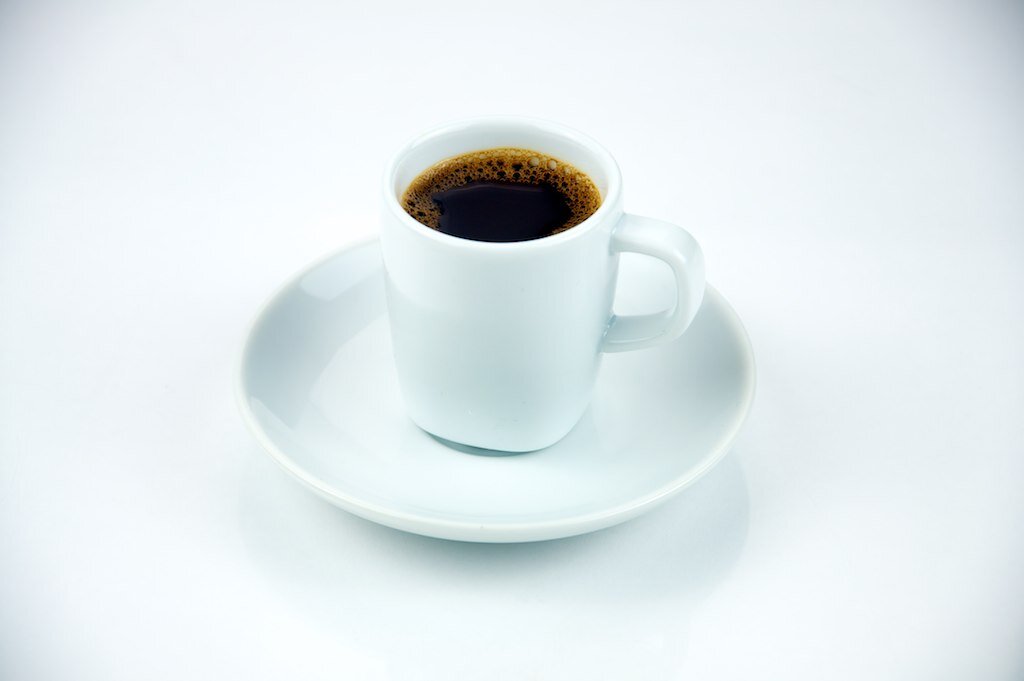
An espresso shot has two main parts: the dark, liquid coffee and the reddish-brown foam on top. This foam is a key indicator of a well-pulled shot.
Crema
noun
A flavorful, aromatic, reddish-brown foam that rests on top of a shot of espresso. It is formed when air bubbles combine with the soluble oils of finely-ground coffee.
Beyond its appearance, espresso is known for its viscous, full-bodied mouthfeel and an intense, concentrated flavor. It serves as the base for many popular coffee drinks, like lattes and cappuccinos, but it's also a fantastic drink on its own.
The Core Variables
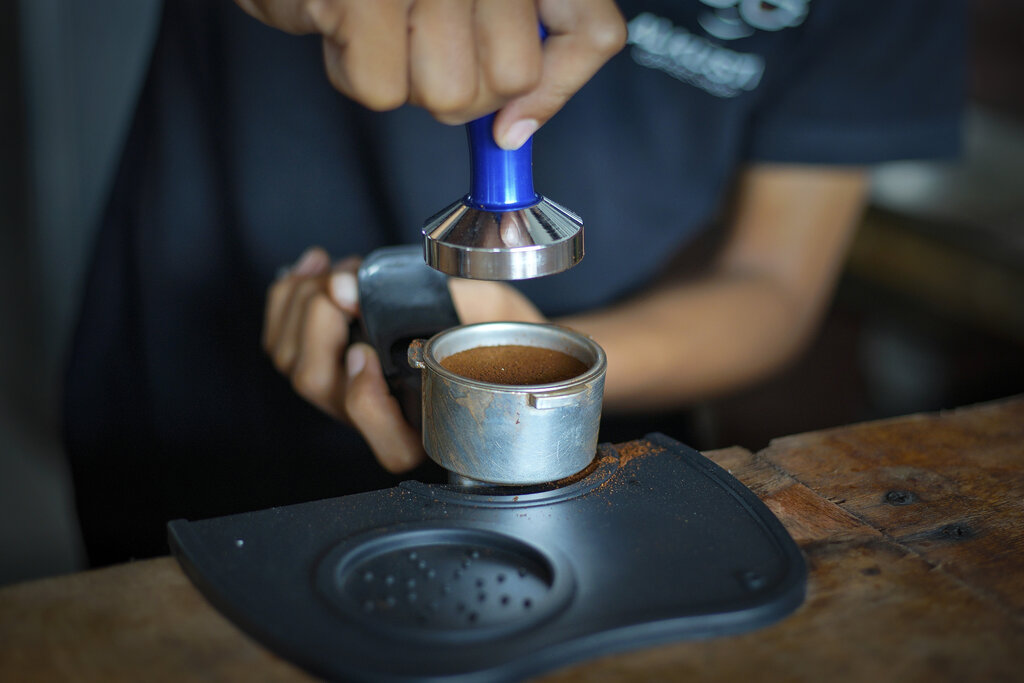
Achieving a great espresso shot is a balancing act between a few key variables. Think of them as the pillars of your brew: the amount of coffee you use, how finely you grind it, and how long you let the water run through it. Nailing the interplay between these three factors is the secret to consistency.
A French Press uses a coarse grind because the immersion time is long (4 minutes+), while Espresso requires a very fine, almost powder-like grind because the contact time is extremely short (25-30 seconds).
Each variable plays a critical role. A small change in one can dramatically alter the taste in your cup. Let's break them down.
| Variable | What It Is | Why It Matters |
|---|---|---|
| Dose | The amount of dry ground coffee used to pull a shot. | Affects the coffee-to-water ratio, influencing the strength and overall flavor balance of the shot. |
| Grind | The fineness or coarseness of the coffee grounds. | A fine grind creates more resistance, slowing the water flow and allowing for proper extraction. Too coarse and water flows through too fast; too fine and it chokes the machine. |
| Time | The duration of the extraction, from when the pump starts to when it stops. | Determines how much flavor is pulled from the grounds. A typical espresso shot takes 25-30 seconds. |
If your shot runs too quickly (under-extraction), it will taste sour and thin. If it runs too slowly (over-extraction), it will be bitter and harsh. The goal is to find the sweet spot where the dose, grind, and time work together to produce a balanced, sweet, and flavorful shot.
The Unsung Hero: Water
We obsess over beans, grinders, and machines, but it's easy to forget the main ingredient in any coffee drink: water. Since an espresso shot is over 90% water, the quality of your water has a massive impact on the final taste.
Water acts as a solvent, pulling flavors out of the coffee grounds. The mineral content of your water determines how effective it is at this job.
The key is the amount of Total Dissolved Solids (TDS), measured in parts per million (PPM). This refers to the magnesium, calcium, and other minerals in the water.
- Too little TDS (soft water): The water is too pure and won't extract enough flavor, leading to a flat, lifeless shot.
- Too much TDS (hard water): The water is already saturated with minerals and can't dissolve the coffee's flavor compounds effectively. This results in a dull, chalky taste and, worse, leads to scale buildup in your espresso machine, which can cause serious damage.
The ideal range for brewing coffee is generally between 75 and 250 PPM. Finding this balance is crucial for both flavor and machine health.
To get started, you don't need to become a water chemist. But using filtered water instead of straight tap water is a simple step that can dramatically improve your espresso and protect your equipment.
Now, let's test your knowledge on these core concepts.
What best defines espresso?
If your espresso shot tastes unpleasantly bitter and harsh, it is most likely a sign of...
Understanding these fundamentals—what espresso is, the interplay of dose, grind, and time, and the role of water—is the first step toward pulling consistently delicious shots.