Mastering ESG Impact Analysis Presentations
Understanding ESG
Beyond the Balance Sheet
When you look at a company, what do you see? Traditionally, the focus has been on numbers: revenue, profit, and stock price. But there's a growing understanding that a company's health depends on more than just its financial statements. This is where Environmental, Social, and Governance (ESG) criteria come in.
ESG is a framework used to evaluate a company's conscientiousness for social and environmental factors. It’s a way to measure its sustainability and ethical impact. Think of it as a report card for how a company interacts with the world beyond its core business operations.
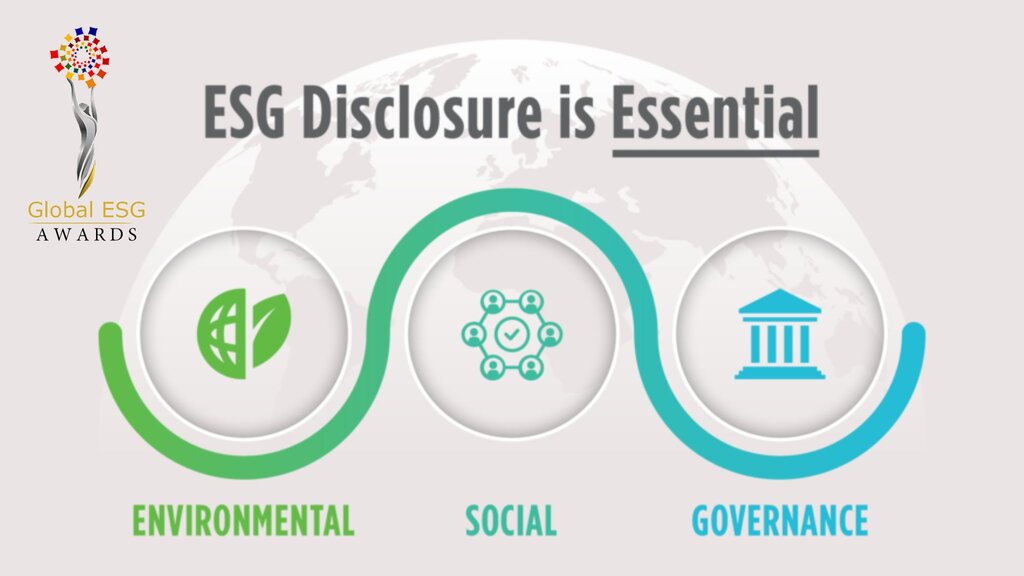
Let's break down the three pillars:
Environmental (E): This looks at a company's impact on the planet. It asks questions like: How does the company manage its energy use and greenhouse gas emissions? What is its policy on pollution and waste? Does it use natural resources responsibly?
Social (S): This pillar focuses on how a company treats people. This includes its employees, customers, and the broader community. Key questions are: Does the company have fair labor practices? Does it ensure a safe and inclusive workplace? How does it protect customer data and privacy?
Governance (G): This relates to how a company is run. It’s about the systems of rules and practices that direct and control a company. This involves issues like executive compensation, shareholder rights, and preventing bribery and corruption. Is the leadership transparent and accountable?
Why Investors Care
Initially, considering ESG factors might seem like it's purely about ethics. But for investors, it’s also a powerful tool for risk management. Companies that ignore these factors are often exposing themselves to significant, and sometimes hidden, dangers.
A company with poor environmental practices could face massive fines, new regulations that hurt its business model, or backlash from customers. A business that mistreats its workers might struggle with high turnover, strikes, and difficulty attracting talent. And a company with weak governance could be vulnerable to fraud or poor strategic decisions that destroy value.
These results underscore the importance of integrating ESG factors into long-term investment strategies, particularly in the face of unpredictable financial turmoil.
By analyzing a company's ESG profile, investors get a more complete picture of its long-term viability. They can identify companies that are not only profitable today but are also well-positioned for the future. It’s about spotting both risks and opportunities that a traditional financial analysis might miss.
Impact on the Bottom Line
Strong ESG performance isn't just about avoiding risk; it can actively boost a company's financial results. A good reputation for sustainability can attract more customers and build powerful brand loyalty. People increasingly want to buy from and work for companies that align with their values.
Effective environmental management can also lead to greater efficiency. For example, reducing energy consumption not only lowers a company's carbon footprint but also cuts its utility bills. Similarly, investing in employee well-being can lead to higher productivity and innovation.
In short, companies that manage ESG issues well are often better-run, more resilient, and more innovative. They are better prepared for future challenges and better equipped to create lasting value.
Ready to check your understanding of ESG?
What is the primary purpose of the ESG framework?
Which of the following falls under the 'Social' pillar of ESG?
ESG provides a lens to see how a company's operations, values, and governance will sustain it over the long haul. It's a shift from looking only at what a company earns to how it earns it.