Mastering Equitable Performance Conversations
Mitigating Nuanced Implicit Bias
From Awareness to Action
Understanding that implicit bias exists is the first step. The real work begins when we build systems to counteract it. While basic awareness training can be helpful, lasting change comes from implementing structural checks that interrupt bias before it can influence decisions. These 'bias interrupters' are not about trying to change how our brains are wired; they're about changing the processes we use to evaluate people, making them more fair and objective by design.
The goal is to move from simply recognizing bias to actively neutralizing it within your performance management cycle.
The Recency Trap
One of the most common cognitive traps in annual reviews is the recency effect This is our natural tendency to give greater weight to recent events than to older ones. A stellar project that an employee completed in February is often overshadowed by a minor mistake they made last week. Similarly, a last-minute success can erase months of mediocre performance.
This bias skews evaluations because it rewards recent performance, not consistent performance. An employee's entire year of work is reduced to the last few weeks in the manager's memory. Without a system to track contributions over time, feedback becomes a reflection of recent memory, not the full picture.
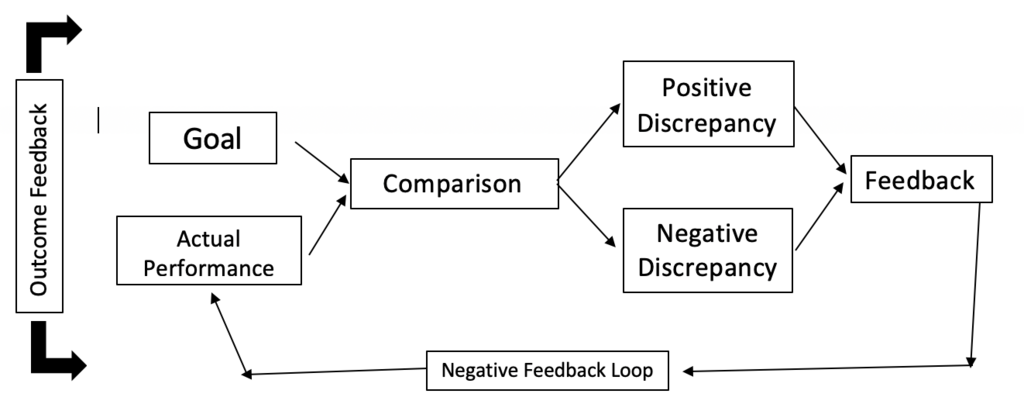
The most effective interrupter for the recency effect is requiring real-time evidence. Instead of relying on memory, managers should maintain a performance log for each team member. This involves briefly noting specific accomplishments, challenges, and contributions as they happen. When it's time for the annual review, the evaluation is based on a year's worth of data, not a month's worth of memory.
Horns and Halos
The Horns and Halo effects describe how our impression of a person in one area can bleed over into our assessment of them in unrelated areas. The Halo effect occurs when we see someone as strong in one key skill—like public speaking—and assume they must be great at everything else, like strategic planning or project management.
The Horns effect is the opposite. An employee who is consistently late to meetings might be perceived as lazy or uncommitted, and their manager may unconsciously start to view their actual work quality through that negative lens, regardless of their actual output. Both effects are dangerous because they lead to evaluations based on a general feeling rather than specific, competency-based evidence.
This bias can turn a single trait into an unfair, all-encompassing judgment of a person's entire performance.
To interrupt this, use a structured evaluation form that assesses competencies independently. For each area, such as 'Collaboration' or 'Technical Skill', require the manager to provide 2-3 distinct, evidence-based examples. This forces a separate evaluation for each category and makes it harder for a halo or horns from one area to influence another.
Affinity and Its Consequences
Affinity bias is the tendency to favor people who are like us—whether they went to the same school, share a similar background, or have a similar personality. In performance reviews, this often translates into giving higher ratings to people we connect with personally, while holding those who are different to a higher, often unspoken, standard.
This can lead to the 'Prove-It-Again' phenomenon. Members of marginalized groups often have to provide more evidence of competence to be judged as equally qualified. Their successes might be attributed to luck or teamwork, while their failures are seen as evidence of their lack of skill. Conversely, members of the in-group get the benefit of the doubt.
Peer-calibration sessions are a powerful interrupter for affinity bias. In these meetings, managers come together to discuss their teams' performance ratings before they are finalized. They must justify their assessments to their peers, using the evidence they've collected.
This process shines a light on inconsistencies. If one manager rates their team far more leniently than another, it becomes a point of discussion. It forces managers to defend their ratings with objective data, making it much harder for 'gut feelings' or affinity to drive the final outcome.
| Bias Type | Manifestation in Reviews | Structural Interrupter |
|---|---|---|
| Recency Effect | Over-valuing recent performance. | Maintain real-time performance logs. |
| Halo/Horns Effect | One trait influences all ratings. | Rate competencies independently with specific examples. |
| Affinity Bias | Favoring those similar to you. | Conduct peer-calibration sessions for all ratings. |
Ready to test your ability to spot and mitigate these biases? Let's see how you do.
According to the provided text, what is the most effective way to create lasting change and counteract implicit bias in decision-making?
A manager gives a team member an excellent overall rating primarily because the employee is a charismatic and skilled public speaker. The manager assumes this skill translates to excellence in all other areas, like project management and technical ability, without checking for specific evidence. This is a classic example of the:
By focusing on systems, not just mindsets, you can create a performance review process that is more fair, legally defensible, and ultimately more effective at developing talent.