Mastering English Pronunciation
Introduction to English Phonetics
The Building Blocks of Sound
Have you ever noticed how the letter 'a' sounds different in the words cat, father, and cake? English spelling is notoriously inconsistent. This is where phonetics comes in. Phonetics is the study of speech sounds. It gives us a way to talk about sounds precisely, without getting confused by spelling.
To understand sounds, we first need to know how we make them. Think of your body as a sound-producing instrument. The process starts with air from your lungs.
All speech sounds in English begin with air being pushed out of the lungs.
This stream of air travels up through your windpipe and into your larynx, or voice box. Inside your larynx are two small bands of muscle called the vocal cords. They can do two main things: stay open or vibrate together.
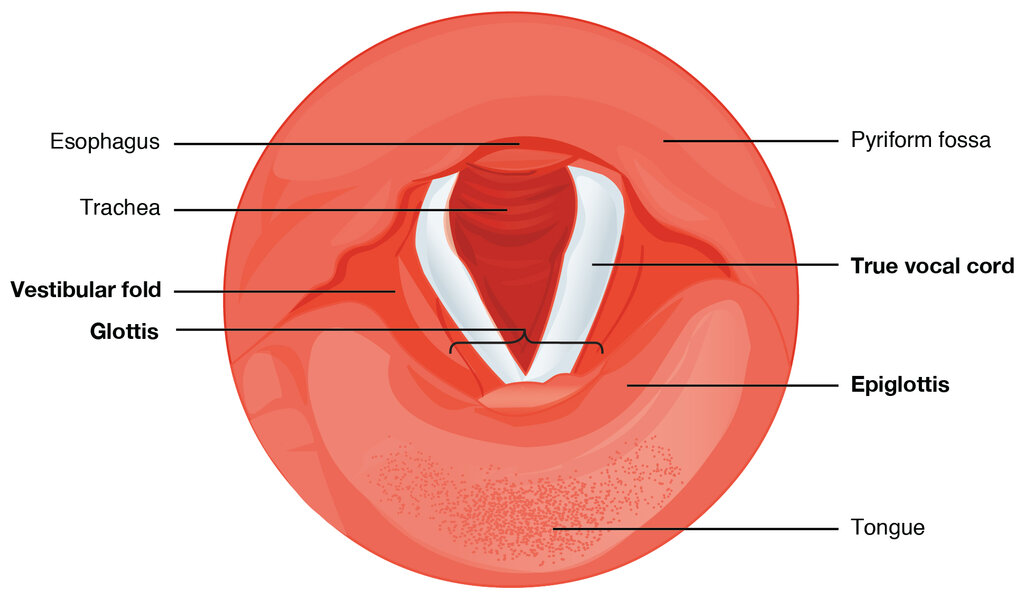
When the vocal cords vibrate, they produce a buzzing sound. Sounds made with this vibration are called voiced sounds. Try putting your fingers on your throat and saying "zzzz." You should feel a vibration. Now, say "ssss." The vibration is gone. Sounds made with the vocal cords open, without vibration, are called voiceless sounds.
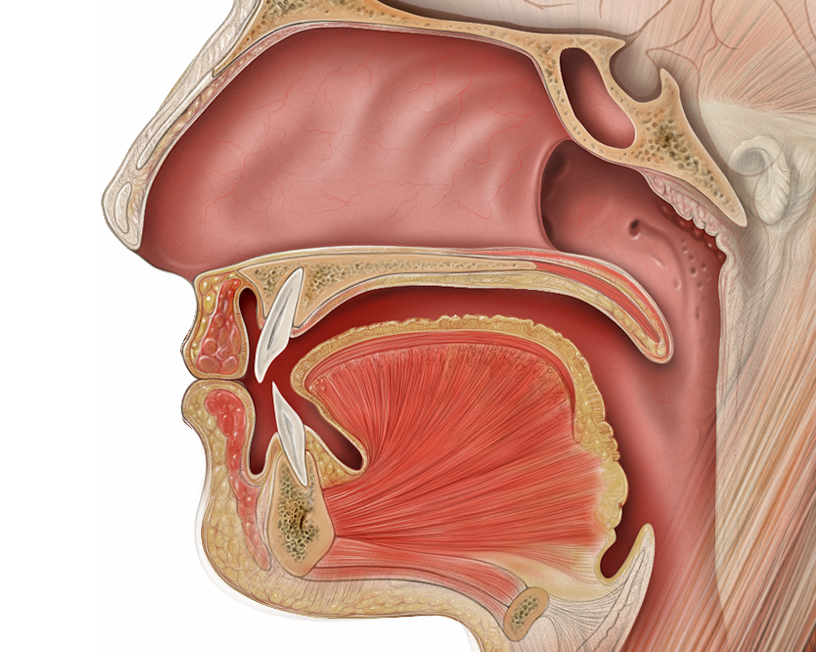
After passing through the vocal cords, the air moves into the mouth and nose. Here, we shape the air into specific sounds using our articulators: the tongue, lips, teeth, and the roof of the mouth (the palate).
articulation
noun
The physical production of speech sounds by moving parts of the mouth and throat, such as the tongue, lips, and vocal cords.
A Universal Alphabet for Sound
Because spelling is so unreliable for describing sounds, linguists created the International Phonetic Alphabet, or IPA. The IPA is a special set of symbols where one symbol always represents one specific sound. It allows us to write down pronunciation in a way that anyone familiar with the system can understand, regardless of their native language.
For example, the sound at the beginning of the word shoe, the middle of nation, and the end of leash is the same, even though it's spelled differently each time. In the IPA, this sound is always written with the symbol /ʃ/.
Shaping the Airflow: Consonants
Consonants are sounds made by partially or completely blocking the airflow from the lungs. We can describe any consonant by answering three questions:
-
Is it voiced or voiceless? Do the vocal cords vibrate? Compare /p/ in pat (voiceless) with /b/ in bat (voiced). The only difference is the vibration in your throat.
-
Where is the air blocked? This is the place of articulation. For /p/ and /b/, you block the air with your lips. For /t/ and /d/, you use the tip of your tongue against the ridge behind your top teeth.
-
How is the air blocked? This is the manner of articulation. For sounds like /p/, /b/, /t/, and /d/, the air is stopped completely and then released. These are called stops. For sounds like /f/ and /s/, the air is forced through a narrow opening, creating friction. These are called fricatives.
An Open Channel: Vowels
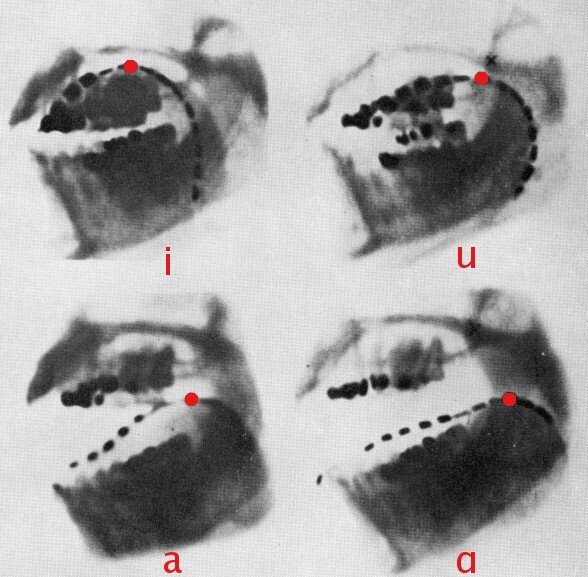
Unlike consonants, vowels are produced with an open vocal tract. The airflow from the lungs is not blocked. Instead, we change the quality of the vowel sound by altering the shape of the mouth, primarily by moving the tongue and lips.
Vowels are always voiced in English. We classify them based on two main factors:
- How high or low the tongue is in the mouth.
- How far forward or back the tongue is in the mouth.
For example, to make the vowel sound /i/ as in see, your tongue is high and at the front of your mouth. To make the sound /ɑ/ as in hot, your tongue is low and at the back of your mouth. The shape of your lips also matters. They might be rounded, as for the /u/ sound in blue, or unrounded, as for the /i/ in see.
Understanding these basic mechanics is the first step toward mastering English pronunciation. By thinking about what your vocal cords, tongue, and lips are doing, you can learn to produce sounds more accurately.
What is phonetics?
The difference between the first sounds in the words pat (/p/) and bat (/b/) is primarily a matter of: