Mastering English Program Plans
Program Plan Basics
The Blueprint for Success
Think of building a new neighborhood. You wouldn't just start laying bricks for one house and hope it all comes together. You'd need a master plan. This plan would show how all the individual houses, roads, parks, and utilities connect to create a functioning community. It ensures every single project contributes to the larger vision.
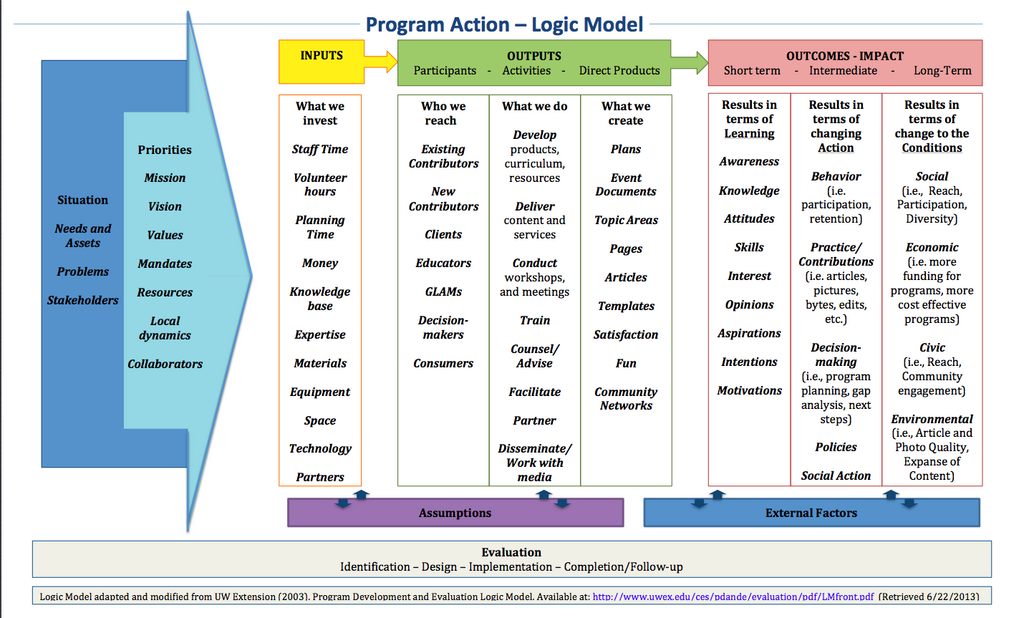
A program plan is that master plan, but for business. It’s a strategic document that guides a group of related projects. While each project has its own goals, the program plan makes sure they all work together to achieve a larger, long-term business objective.
A program management plan is a comprehensive document that outlines how a program will be executed, monitored and controlled.
This isn't just about managing one project from start to finish. It’s about orchestration. A program coordinates multiple projects, aligning them with the company's overall strategy. It's the difference between a band where every musician plays their own tune and an orchestra playing a symphony.
Anatomy of a Program Plan
A solid program plan is built from several key components. Each piece provides clarity and direction, ensuring everyone involved understands the mission. Let's break down the essential elements.
| Component | What It Is | Why It Matters |
|---|---|---|
| Objectives | The specific, high-level goals the program aims to achieve. | They define what success looks like and align the program with business strategy. |
| Scope | The boundaries of the program, including what it will and will not cover. | It prevents 'scope creep'—the tendency for a project to grow beyond its original goals. |
| Deliverables | The tangible outcomes or results produced by the program's projects. | These are the concrete results that demonstrate the program is making progress. |
| Timelines | A high-level schedule outlining major milestones and deadlines. | It provides a roadmap for when key deliverables will be completed. |
| Resources | The people, budget, and tools needed to execute the program. | Proper allocation ensures projects have what they need to succeed without delays. |
These components don't exist in isolation. They are all interconnected. The objectives define the scope, which in turn determines the deliverables. The deliverables dictate the timeline and the resources required to meet it.
Keeping Strategy at the Core
The most important function of a program plan is to ensure strategic alignment. Every project within the program, no matter how small, must directly contribute to the organization's wider goals. If a company's strategic goal is to become the market leader in sustainable products, a program might be created to overhaul its supply chain. Projects within that program could include sourcing eco-friendly materials, reducing packaging waste, and obtaining green certifications.
Without a program plan, these projects might become disconnected. One team might focus so much on cost-cutting that they choose a supplier that isn't sustainable, undermining the entire strategic goal. The program plan acts as a constant reminder of the 'why' behind the work, keeping every project on track and aimed at the same target.
A program plan connects the day-to-day work of individual projects to the long-term vision of the organization.
Now, let's review the key terms we've discussed.
Ready to check your understanding?
What is the primary role of a program plan?
The provided text compares a program plan to an orchestra playing a symphony. What does this analogy illustrate?
By understanding these core components, you have the foundation for creating a clear and effective program plan. This blueprint not only guides execution but also aligns teams and resources toward a shared, strategic victory.