Mastering English Presentations
Understanding Presentation Fundamentals
The Core of a Presentation
A presentation isn't just a speech. It's the transfer of an idea from your mind to your audience's. Whether you're explaining a project, selling a product, or teaching a concept, the goal is the same: to make your message clear, memorable, and impactful. Everything else is just detail.
To succeed, you need to focus on a few fundamental building blocks. These aren't complicated tricks, but simple principles that form the foundation of every great presentation.
Build a Strong Structure
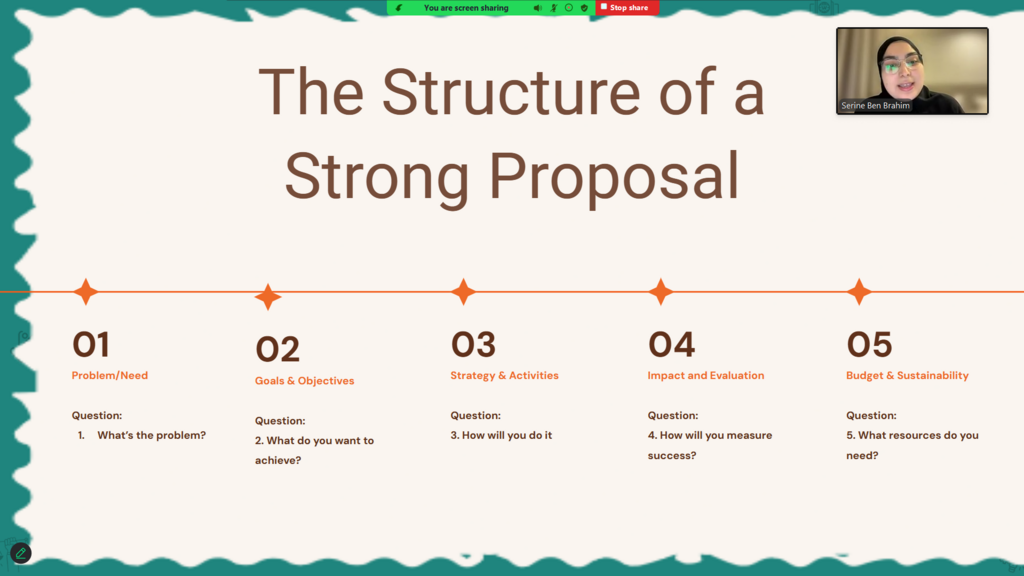
Every compelling presentation has a clear, logical structure. Think of it like telling a story. It needs a beginning, a middle, and an end. The beginning grabs your audience's attention and tells them what you're going to talk about. The middle delivers the main points with evidence and examples. The end summarizes your key message and gives the audience something to take away.
Without a solid structure, your audience will get lost. A good outline acts as a roadmap, guiding them from one point to the next without confusion.
Clarity and Engagement
The most brilliant idea is useless if no one can understand it. Use simple, direct language. Avoid jargon and overly complex sentences. Your goal is to communicate, not to sound smart. The clearer your message, the more likely it is to stick.
Think of your presentation as a conversation, not a performance. Your audience isn't a passive group of listeners; they are active participants.
Engage them by making eye contact, asking questions, and relating your topic to their interests. Visual aids, like slides or images, can help clarify complex points and keep people focused. But remember, they should support your message, not replace it. Keep slides simple, with minimal text and powerful images.
Confident Delivery
How you say something is just as important as what you say. Confident delivery helps your audience trust you and your message. This doesn't mean you need to be a perfect, polished speaker. It means being comfortable and authentic.
Stand up straight, make eye contact with different people in the room, and use gestures that feel natural. Vary the tone and pace of your voice to keep your audience engaged. A steady, calm pace is usually best, but you can speed up to show excitement or slow down to emphasize a crucial point. Practice is the key. The more you rehearse, the more confident you will feel.
Let's review these core concepts.
According to the text, what is the fundamental goal of a presentation?
When using visual aids like slides, what is the most important principle to follow?
Mastering these fundamentals—structure, clarity, engagement, and delivery—will give you the foundation you need to present any topic effectively.